A groundbreaking study reveals that 145 million Indian children are facing an additional month of heat stress annually due to human-induced climate change, increasing risks of dehydration and heatstroke.
- 145 million Indian children (aged 0-9) are exposed to at least one extra month of heat stress every year due to climate change.
- Children are 3 times more vulnerable to heat stress compared to the elderly population.
- Humid heat is identified as a major killer as it prevents efficient sweating and cooling.
- Low-income families face disproportionate risks due to lack of cooling infrastructure.
The escalating climate crisis is no longer a distant threat; it is actively reshaping the childhood of millions in India. According to a recent study by Vrije Universiteit Brussel (VUB), approximately 145 million Indian children aged 0-9 are experiencing at least one additional month of intense heat stress every year caused by human-induced climate change.
Published in the journal Science Advances, the research highlights a staggering reality: 61% of children in this age group in India are being pushed into dangerous temperature zones. Globally, this affects 43% of children, but the density of the crisis in India is significantly higher.
Why This Matters
BozokMedia analysis shows that children are physiologically predisposed to suffer more from rising temperatures than any other demographic. Their bodies heat up faster, they sweat less efficiently, and they lack the autonomy to seek shade or hydration without adult intervention. This exposure doesn't just cause immediate physical ailments; it poses long-term threats to cognitive development and educational outcomes.
Extreme heat must be treated as a disaster, not just a weather warning.
The study places a heavy emphasis on humid heat. Unlike dry heat, high humidity prevents sweat from evaporating, which is the body's primary mechanism for cooling. When this mechanism fails, the risk of dehydration, heatstroke, and even organ failure skyrockets.
Historical Background: The Warming Trend
Historically, India has always dealt with seasonal heat, but the frequency and intensity of 'heat waves' have shifted dramatically in the last two decades. The combination of rapid urbanization and rising global CO2 levels has created a lethal environment where even evenings remain dangerously hot.
| Demographic Group | Heat Stress Exposure (India) | Primary Risk Factor |
|---|---|---|
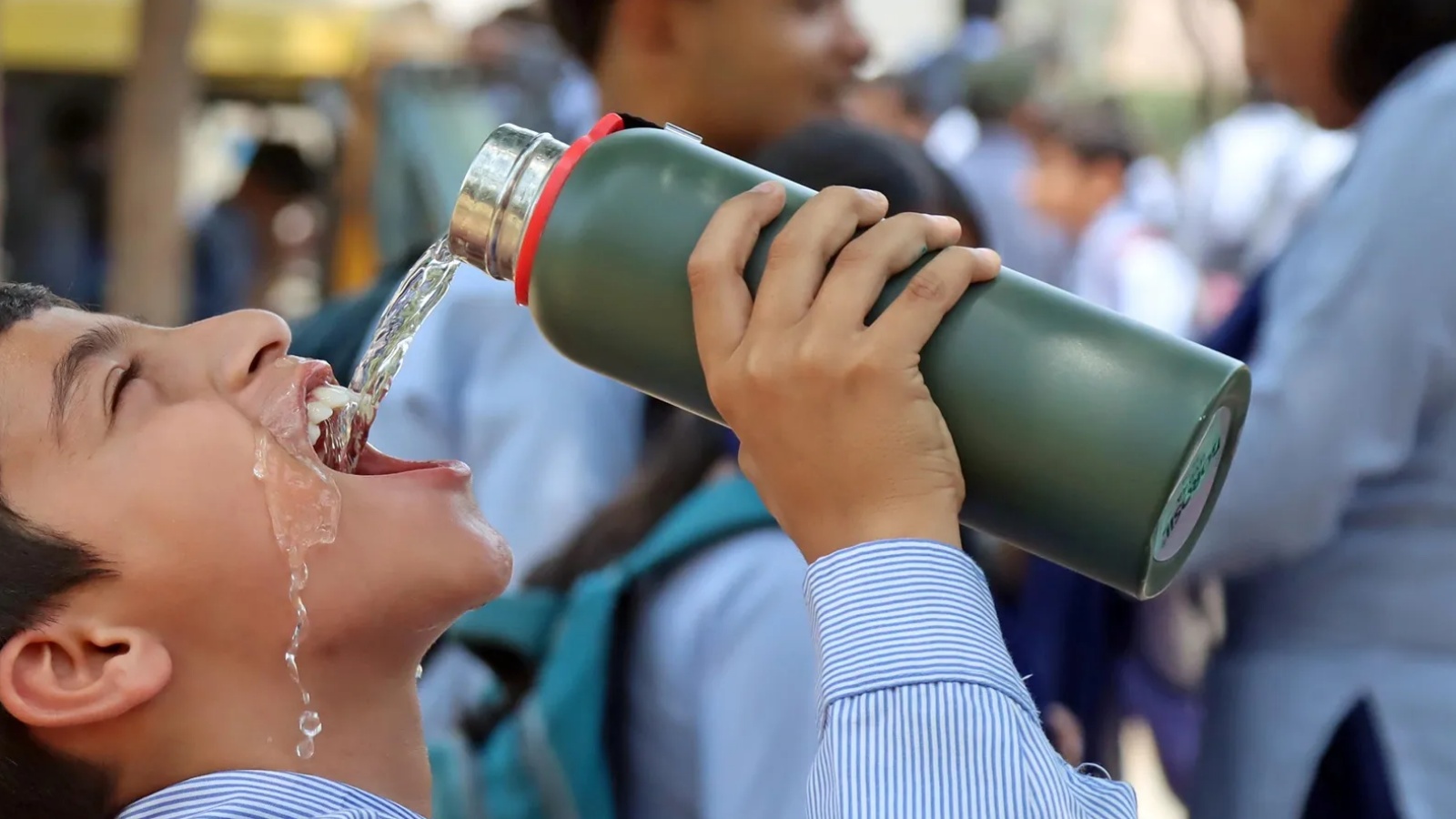
| Children (0-9 years) | 61% | Rapid body temperature rise |
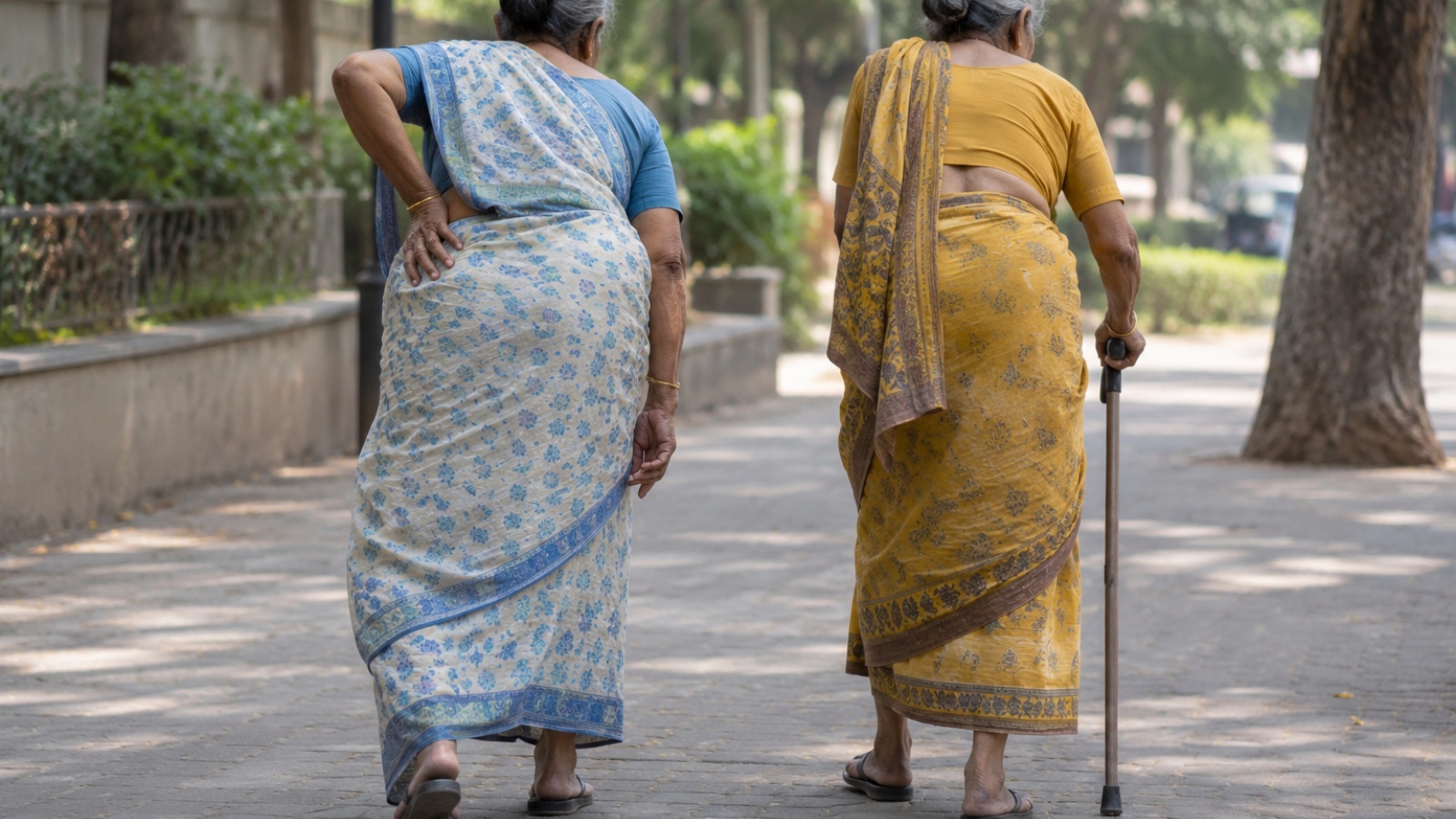
| Elderly (60-69 years) | 30% | Reduced physiological resilience |
Frequently Asked Questions
1. What is 'Heat Stress' in this context?
It refers to days where the humid heat (wet-bulb globe temperature) exceeds 28°C in the shade, making it dangerous for physical activity.
2. How does climate change specifically impact this?
Human-induced emissions have added 'additional' days of heat that would not have occurred in a natural climate cycle.