As devotees participate in traditional fire-walking during the Tamil month of Aadi, health experts warn of severe burn risks. Learn how to identify injuries and when to seek urgent medical intervention.
- Extreme heat exposure during fire-walking can lead to severe blisters and second-degree burns.
- Post-ritual monitoring of the skin is crucial to prevent secondary infections.
- Immediate medical attention is required for deep tissue damage or systemic fever.
The Tamil month of Aadi is marked by a surge in temple festivals and deep religious observances. Among the most striking practices is fire-walking and prolonged barefoot pilgrimages. While these acts are expressions of profound faith, they expose the human body—specifically the feet—to extreme thermal stress.
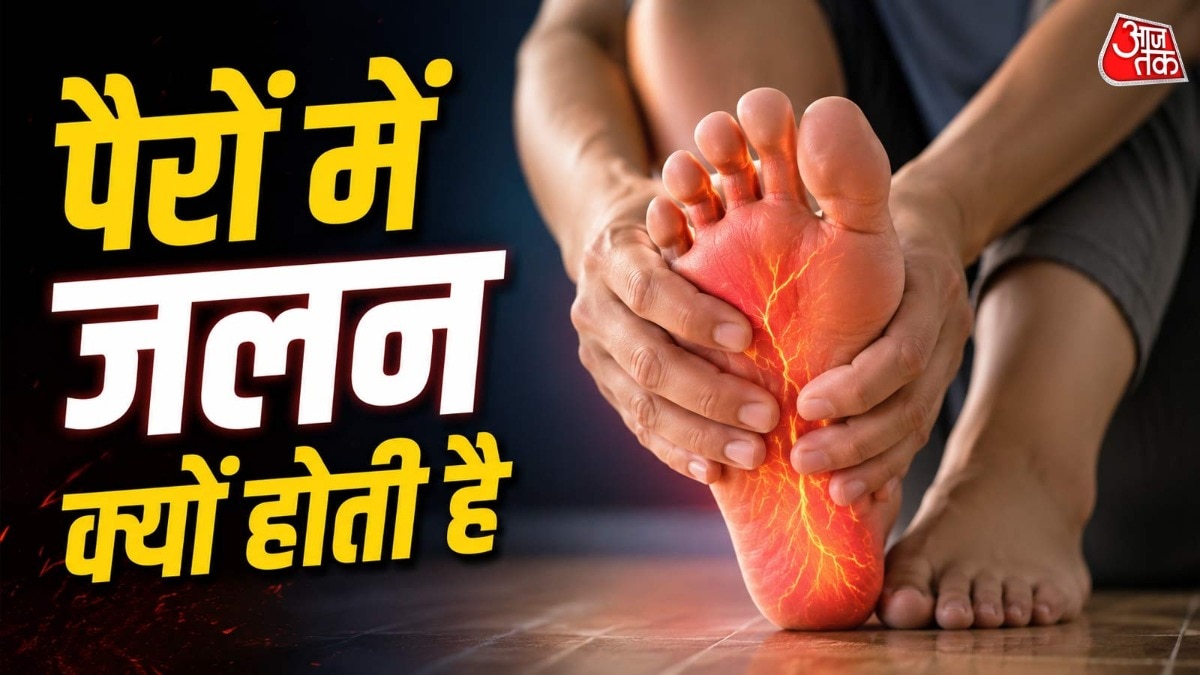
Exposure to high temperatures can cause immediate epidermal damage, leading to painful blisters and burns. In a recent episode of Health Wrap, Ramya Kannan, Health Editor at The Hindu, engaged with medical experts to dissect the physiological risks associated with these rituals and the critical steps for post-exposure care.
Why This Matters
BozokMedia analysis shows that the psychological state of 'trance' or high devotion during rituals often masks the immediate sensation of pain, leading devotees to sustain deeper burns than they realize. Without proper aftercare, these injuries can become gateways for bacterial infections, potentially leading to long-term mobility issues.
"The critical window for treating thermal burns is the first hour; delaying care can turn a superficial burn into a chronic wound."
Historical Background
Fire-walking is an ancient ritual found in various cultures globally, but it holds a special place in South Indian spirituality. It is often viewed as a test of purity and devotion. From a scientific lens, the ability to walk on hot coals without immediate injury is sometimes attributed to the Leidenfrost effect or the thickness of the stratum corneum (the outermost layer of skin) on the soles of the feet.
| Symptom | First-Degree Burn | Second/Third-Degree Burn |
|---|---|---|
| Skin Appearance | Mild Redness | Deep Red, White, or Charred |
| Blistering | Absent or Minimal | Significant Fluid-filled Blisters |
| Treatment | Cool Water & Moisturizer | Immediate Clinical Intervention |
Frequently Asked Questions
Q1: What is the first step to take after a burn?
Run cool (not ice-cold) tap water over the affected area for at least 20 minutes to stop the burning process in the deeper layers of skin.
Q2: When is a burn considered an emergency?
If the burn covers a large area, if the skin looks charred/white, or if the person develops a fever, seek emergency medical help immediately.