Hypothyroidism is one of the most common and manageable endocrine disorders globally, yet it remains shrouded in widespread myths. From blaming the thyroid for extreme obesity to unnecessarily banning nutrient-rich vegetables like cabbage and broccoli, these misconceptions cause needless anxiety. Leading experts clarify the science behind thyroid health and explain why lifestyle factors play a much larger role in weight management.
- Weight gain directly caused by hypothyroidism is typically modest, usually around 2–3 kg, and is mostly water retention.
- Cruciferous vegetables like cabbage, cauliflower, and broccoli do not cause thyroid issues when consumed in normal, cooked amounts.
- Iodized salt remains essential for thyroid hormone production; alternative salts like pink Himalayan salt often lack sufficient iodine.
The thyroid is a small, butterfly-shaped gland located in the neck, yet few organs in the human body have acquired as many myths and misconceptions as it has. Whenever an individual struggles with weight gain, the immediate assumption is often, "It must be my thyroid." Similarly, those diagnosed with hypothyroidism are frequently advised by well-meaning relatives to completely eliminate nutritious vegetables like cabbage, cauliflower, and broccoli from their diets. Most of these beliefs contain only a tiny fragment of scientific truth that has been stretched far beyond what actual evidence supports.
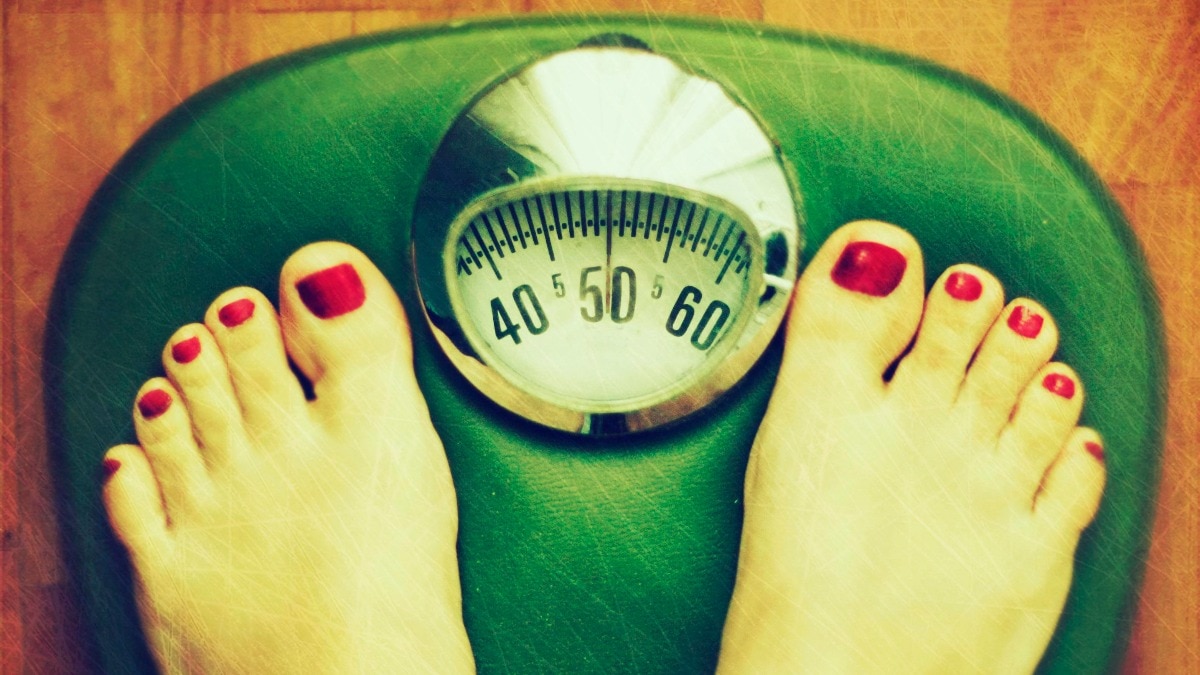
According to leading endocrinologists, hypothyroidism is a highly common and, when genuinely present, exceptionally manageable endocrine disorder. The real challenge is often not the diagnosis and clinical management, but rather the unnecessary dietary restrictions, fears, and unrealistic expectations that accumulate around the condition. One of the most pervasive myths is that hypothyroidism is a primary driver of obesity. While thyroid hormones do influence metabolism, the actual weight gain attributable to an underactive thyroid is usually modest—roughly 2 to 3 kg—and mostly reflects the retention of salt and water rather than the accumulation of body fat.
Consequently, individuals who have gained 15 to 20 kg should not automatically attribute this weight gain to their thyroid. Once thyroid hormone levels are corrected with medication and T4 and TSH levels return to normal, ongoing obesity is driven by other factors. These include diet, physical activity, sleep quality, genetics, insulin resistance, and the overall metabolic environment. Attempting to use high doses of thyroxine as a weight-loss aid is extremely dangerous and can lead to severe health complications, including heart palpitations, muscle weakness, and bone density loss.
| Myth | Scientific Reality |
|---|---|
| Thyroid causes massive obesity | Only causes 2-3 kg of water/salt retention, not fat accumulation. |
| Avoid cabbage and broccoli | Goitrogens are harmless in normal, cooked dietary amounts. |
| Pink salt is healthier than iodized salt | Pink salt lacks crucial iodine, increasing thyroid risks. |
Why This Matters
BozokMedia analysis shows that thyroid-related myths often divert attention from the actual causes of metabolic slowdown, such as poor sleep, chronic stress, and lack of physical activity. By obsessing over minor dietary elements like cabbage, patients overlook the holistic lifestyle changes required for sustainable wellness. Relying on misinformation can lead to nutritional deficiencies and delay the proper treatment of other metabolic conditions.
Thyroid management is incredibly straightforward, yet patients often burden themselves with extreme dietary restrictions and false expectations that have no scientific backing.
Another major dietary myth involves the complete elimination of soy and cruciferous vegetables belonging to the Brassica family, such as cabbage, cauliflower, kale, and broccoli. While these foods contain substances known as "goitrogens" that can theoretically interfere with thyroid hormone production under extreme laboratory conditions or with exceptionally high raw intake, normal dietary consumption poses no clinical risk. The British Thyroid Foundation emphasizes that the risk from normal consumption is incredibly low. These are highly nutritious foods packed with fiber, vitamins, and minerals that are essential for gut health and weight management.
Similarly, the trend of replacing iodized salt with "natural" rock salt, pink Himalayan salt, or Sendha Namak has raised concerns among health experts. Iodine is a critical building block for thyroid hormones. Inadequate iodine intake, especially during pregnancy and childhood, can lead to permanent developmental delays. Because specialty salts often lack reliable iodization, relying on them entirely can put individuals at risk of iodine deficiency. Furthermore, patients taking thyroxine must be mindful of drug interactions; calcium and iron supplements, as well as antacids, can significantly reduce the absorption of thyroid medication and should be taken at least four to six hours apart from thyroxine.
Frequently Asked Questions
Q1: Can I eat cabbage and broccoli if I have hypothyroidism?
A1: Yes, you can safely consume cabbage, broccoli, and other cruciferous vegetables. Cooking these vegetables inactivates most of the goitrogens, making them completely safe for thyroid patients in normal dietary amounts.
Q2: Is pink Himalayan salt better for thyroid health than regular iodized salt?
A2: No. Regular iodized salt is fortified with iodine, which is essential for thyroid function. Pink Himalayan salt and other rock salts generally do not contain sufficient iodine, making them less suitable for maintaining optimal thyroid health.