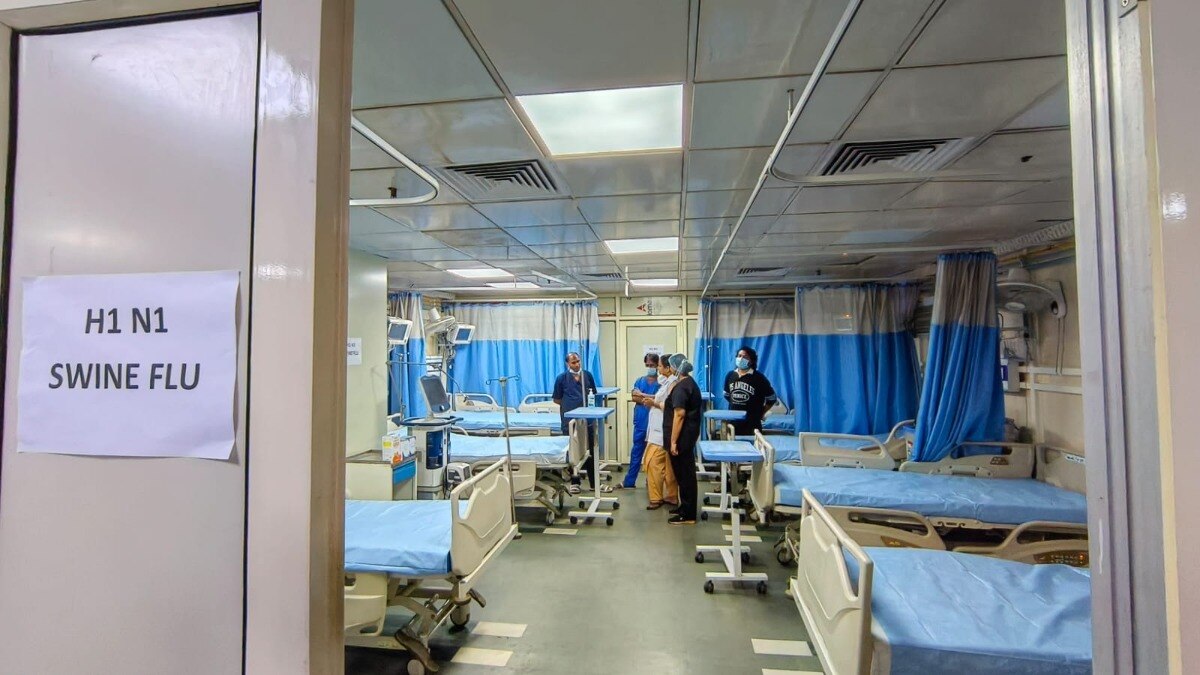
The Union Health Ministry has issued a critical advisory on Influenza A H1N1 (Swine Flu), urging early symptom identification. Special caution is advised for children, the elderly, and those with pre-existing medical conditions.
- H1N1 is a seasonal respiratory infection, generally self-limiting in healthy adults.
- Key symptoms include fever, cough, sore throat, and extreme fatigue.
- Medical consultation is mandatory if symptoms persist beyond 5-6 days.
- Children, elderly, and immunocompromised individuals are at higher risk of complications.
New Delhi: The Ministry of Health and Family Welfare has released a comprehensive awareness campaign regarding Influenza A H1N1, popularly known as Swine Flu. The ministry is urging citizens to be proactive in identifying symptoms and seeking professional medical intervention to prevent the escalation of the seasonal respiratory infection.
In a recent communication via X (formerly Twitter), the ministry outlined the primary indicators of the infection, which include fever, cough, sore throat, headache, body aches, and fatigue. A critical directive was issued advising individuals to visit the nearest government health facility or a qualified physician if these symptoms persist for more than five to six days.
Vulnerable Groups and Critical Care
The advisory places a heavy emphasis on young children, the elderly, and individuals with underlying health conditions. These demographics are particularly susceptible because flu-like illnesses can rapidly evolve into severe respiratory distress in patients with lowered immunity or chronic comorbidities.
"Early detection is the cornerstone of managing H1N1; the window between a mild flu and severe pneumonia can be narrow for high-risk patients."
Why This Matters
BozokMedia analysis shows that the timing of this alert is crucial to prevent a surge in hospitalizations. By encouraging self-monitoring and discouraging the blind use of over-the-counter antibiotics, the ministry is tackling two problems: the spread of the virus and the growing threat of antimicrobial resistance. Public awareness reduces the burden on emergency healthcare infrastructure.
Symptom Analysis and Prevention
Influenza A H1N1 targets the respiratory system. While it mimics the common seasonal flu, patients may also experience runny noses and muscle pain. In some instances, the ministry noted that gastrointestinal issues such as nausea, vomiting, and diarrhea may occur, although these are less common.
To mitigate the spread, the health ministry recommends strict adherence to respiratory hygiene. This includes covering the mouth and nose during coughs or sneezes, frequent handwashing, and practicing social distancing when feeling unwell. Proper hydration and nutritional support are recommended for those recovering at home.
Frequently Asked Questions
Q1: Can I take antibiotics to treat H1N1?
No, H1N1 is caused by a virus, and antibiotics only treat bacterial infections. Always consult a doctor for the correct antiviral medication.
Q2: When does a common cold become a cause for concern?
If your fever does not subside after 6 days or if you experience shortness of breath, it is time to seek immediate medical help.