Hypertension is not just a result of lifestyle choices but can be deeply rooted in genetics. Medical experts reveal how parental history increases the risk of high blood pressure in the next generation.
- Hypertension can be hereditary, passing from parents to children via genetic markers.
- Healthy individuals with a family history are still at risk despite a fit lifestyle.
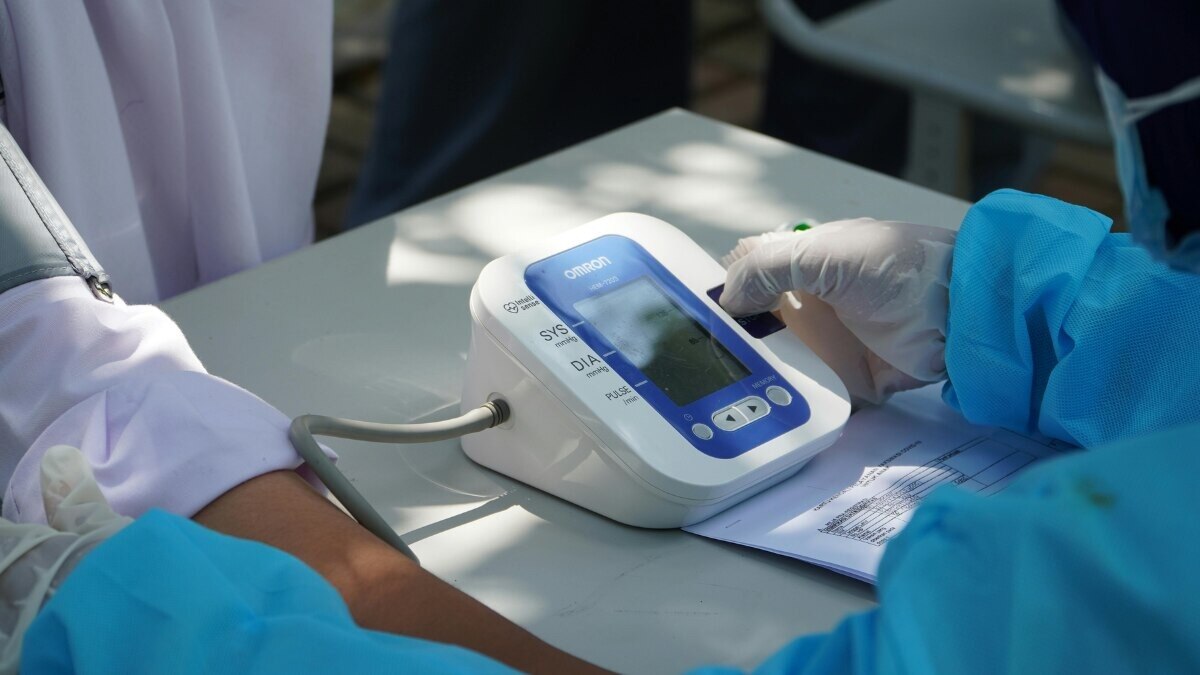
- Blood pressure above 120/80 mm Hg is considered a risk factor.
- Early screening and lifestyle modifications are critical for prevention.
High Blood Pressure (Hypertension) has emerged as a critical health crisis globally. While traditionally associated with older adults, there is a worrying trend of hypertension appearing in younger populations. If left unchecked, this condition significantly elevates the risk of heart attacks and strokes.
Common perception suggests that hypertension is solely the byproduct of poor dietary habits and a sedentary lifestyle. However, medical science indicates that genetic predisposition plays a pivotal role. If one or both parents suffer from high blood pressure, the offspring face a substantially higher risk of developing the same condition.
The Link Between Genetics and Hypertension
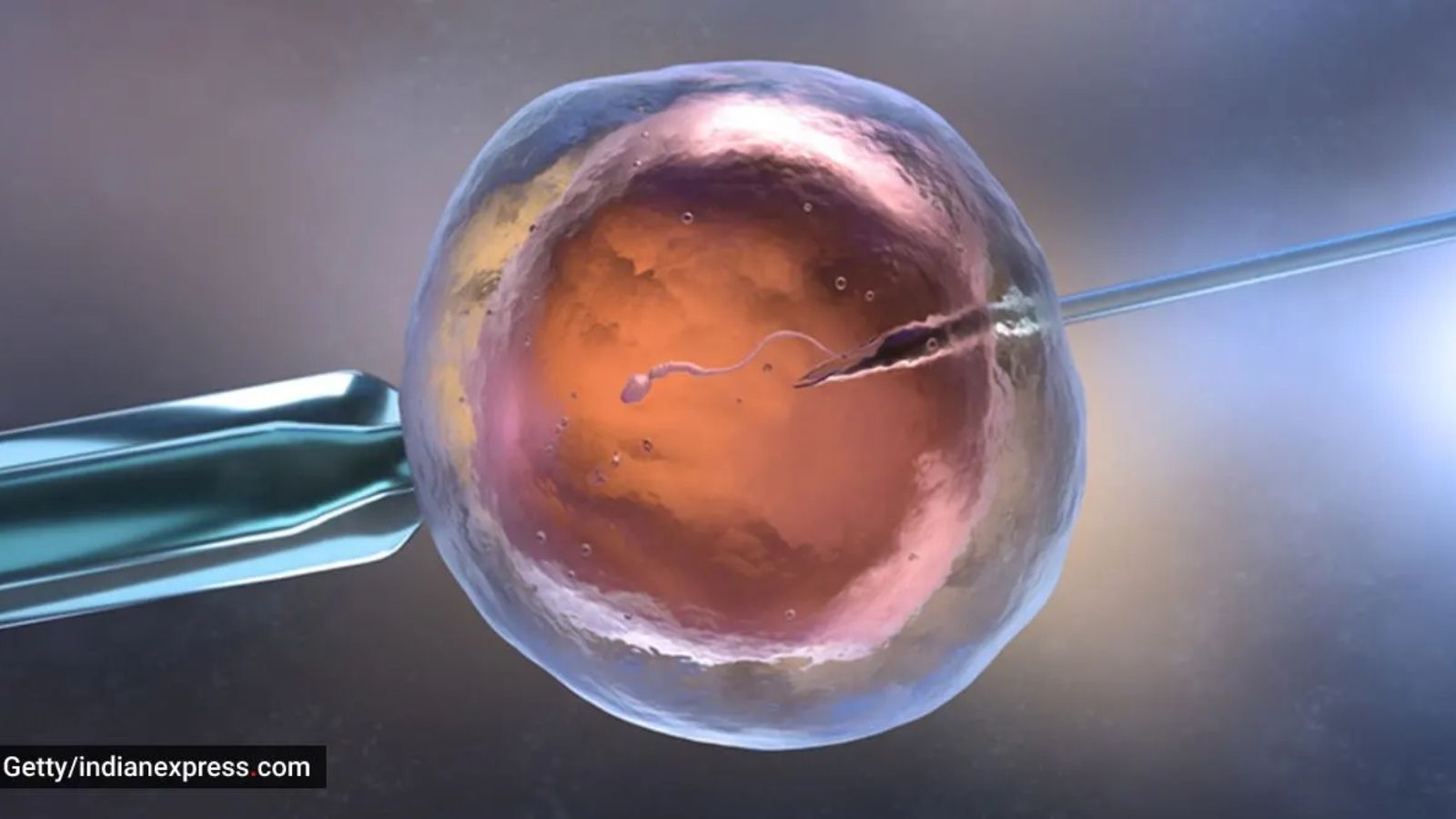
Dr. Tarun Kumar, Professor in the Department of Cardiology at Medanta Medicity Mulchand Hospital, Delhi, explains that parents with hypertension can pass on specific genes that predispose their children to the disease. He notes that clinical cases often reveal individuals with impeccable diets and active lifestyles who still struggle with high blood pressure, highlighting the undeniable influence of heredity.
Why This Matters
BozokMedia analysis shows that as non-communicable diseases (NCDs) rise, relying solely on lifestyle changes is insufficient for those with a genetic predisposition. For these individuals, the 'window of prevention' is narrower, making early medical intervention and consistent monitoring non-negotiable to avoid long-term organ damage.
"Genetic tendencies increase your vulnerability, but a disciplined lifestyle can effectively mute those genes and keep your health in check."
Understanding Blood Pressure Metrics
According to the American Heart Association (AHA), blood pressure levels are categorized to help patients understand their risk:
| Category | Systolic (Upper) | Diastolic (Lower) | Status |
|---|---|---|---|
| Normal | Less than 120 mm Hg | Less than 80 mm Hg | Healthy |
| Stage 1 Hypertension | 130-139 mm Hg | 80-89 mm Hg | At Risk/Monitor |
| Stage 2 Hypertension | 140 mm Hg or higher | 90 mm Hg or higher | Medication Required |
Preventative Strategies for High-Risk Individuals
Dr. Tarun Kumar suggests that those with a family history of hypertension should adopt the following strategies:
- Weight Management: Maintaining a healthy BMI reduces the strain on the cardiovascular system.
- Sodium Reduction: Lowering salt intake is crucial as excess sodium retains fluid and increases pressure.
- Physical Activity: Engaging in at least 30 minutes of moderate aerobic exercise daily.
- Avoiding Toxins: Abstaining from smoking and limiting alcohol consumption to protect arterial walls.
Frequently Asked Questions
Q1: Can genetic high blood pressure be completely cured?
A: While you cannot change your genetic makeup, you can manage the condition perfectly through diet, exercise, and medication to live a normal, healthy life.
Q2: At what age should I start checking my BP if my parents have it?
A: If there is a strong family history, it is advisable to start annual screenings from the age of 20.