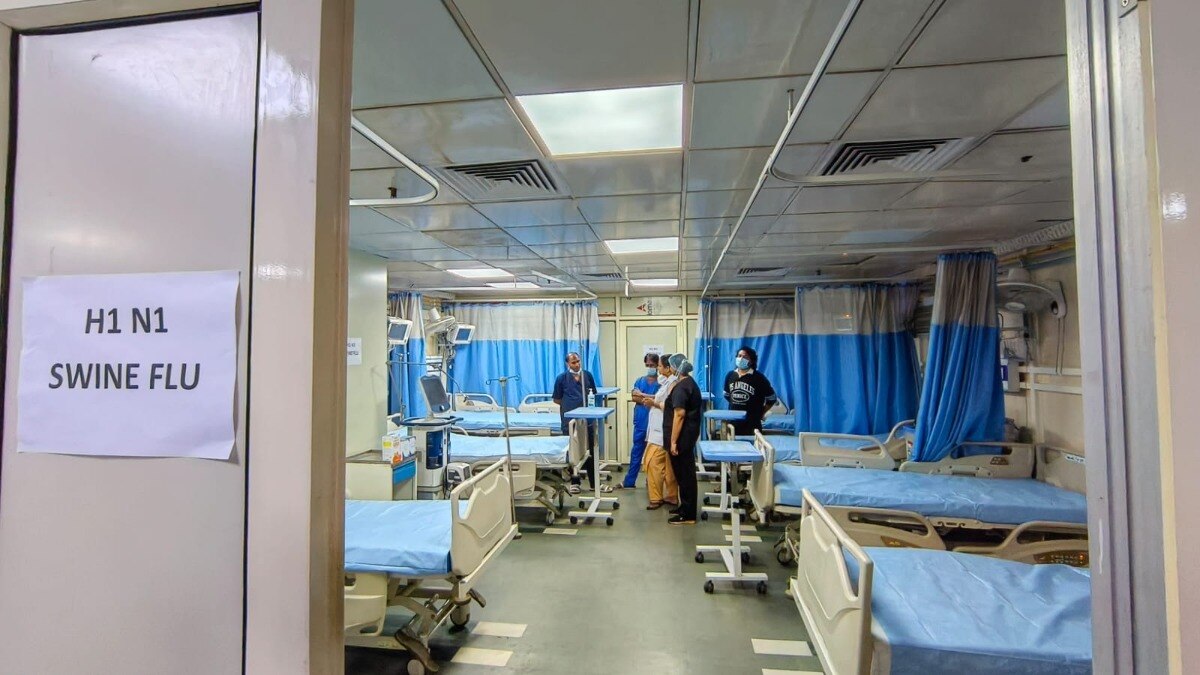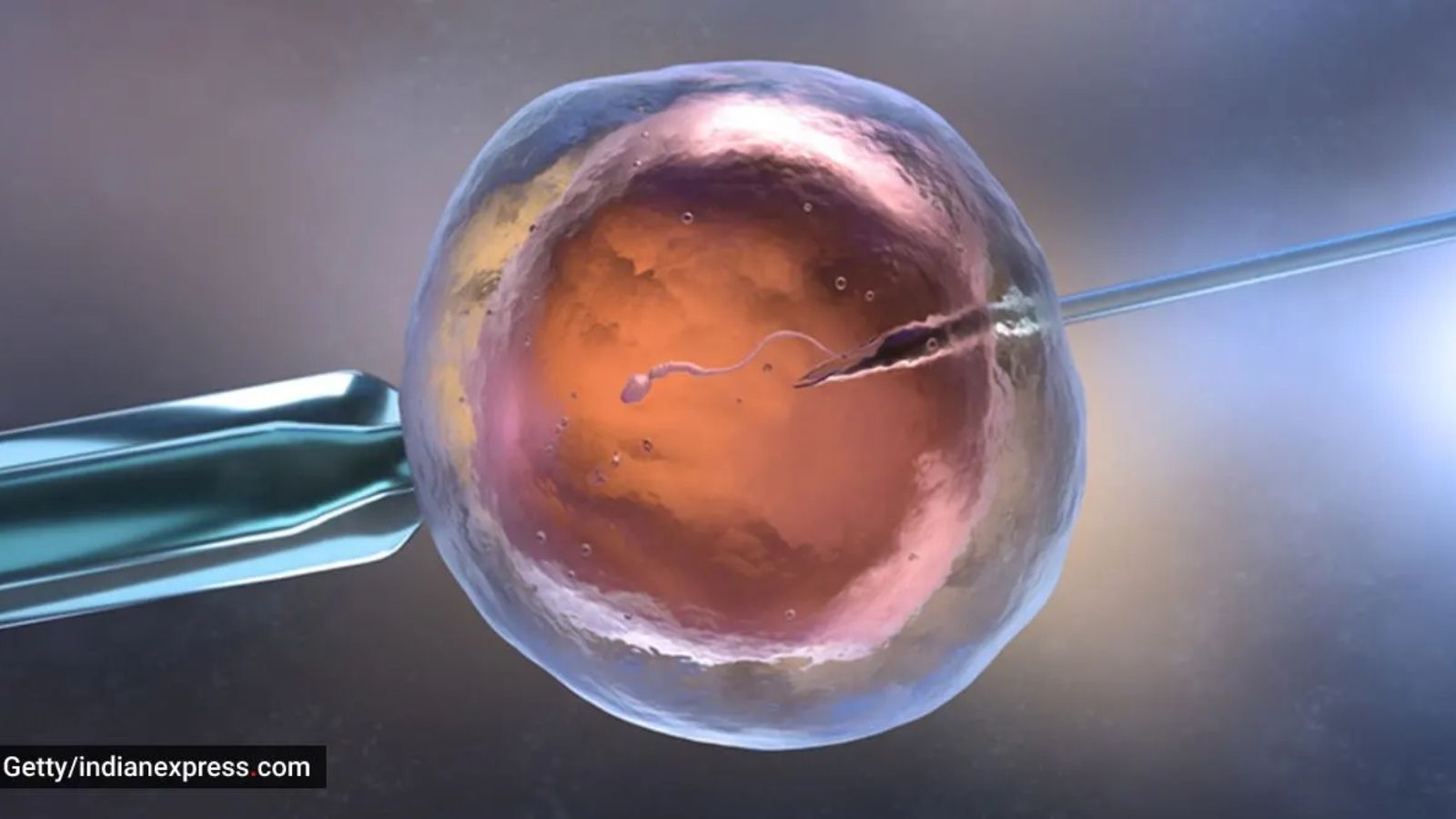
A growing legal and ethical debate has emerged in Gujarat as couples are forced to abandon IVF treatments due to strict statutory age limits. Medical experts weigh in on the risks and possibilities of pregnancy after menopause.
- Couples in Gujarat are facing treatment termination due to strict age cut-offs under India's ART laws.
- Medical science allows for post-menopausal pregnancy via donor eggs, but health risks increase significantly.
- The debate centers on whether eligibility should be based on fixed age or individual medical assessment.
In the evolving landscape of reproductive medicine, a critical conflict has emerged between legal mandates and medical possibilities. In Gujarat, several couples have reported the abrupt interruption of their In-Vitro Fertilization (IVF) cycles after one partner crossed the statutory age limit. This has sparked a nationwide conversation regarding the Assisted Reproductive Technology (ART) laws in India, which prescribe specific age ceilings for candidates seeking fertility treatments.
One poignant case involves a couple who began their journey when the woman was 47 and the man was 54. After an initial failure, the husband turned 55—the upper age limit for men under current Indian law—forcing the couple to abandon their dreams of parenthood despite having already invested emotionally and financially in the process. This scenario highlights a systemic gap where medical progress has outpaced legislative frameworks.
Why This Matters
BozokMedia analysis shows that this is not merely a legal dispute but a clash between biological potential and ethical regulation. While the case of Erramatti Mangayamma, who became a mother at 74 in Andhra Pradesh, proves that the uterus can support a pregnancy long after menopause, it raises the question of whether 'possible' should always mean 'permissible'. The tension lies in balancing the individual's right to procreate against the medical responsibility to prevent high-risk pregnancies.
"Being technically capable of carrying a pregnancy does not mean that pregnancy at an extremely advanced age is medically low-risk." - Dr. Neelam Suri, Senior Consultant, Indraprastha Apollo Hospital.
According to Dr. Neelam Suri, the distinction between the egg and the uterus is vital. While menopause ends ovulation, the uterus can still be prepared hormonally to accept a donor embryo. However, the systemic strain of pregnancy on the heart, kidneys, and blood vessels increases exponentially for women in their 60s or 70s, leading to higher rates of pre-eclampsia and gestational diabetes.
Furthermore, the risks extend to the neonate. Advanced maternal age is closely linked to premature birth and low birth weight. While donor eggs mitigate some genetic risks associated with egg aging, the physical toll on the mother remains a primary concern for healthcare providers.
| Factor | Natural Pregnancy (Pre-Menopause) | IVF Pregnancy (Post-Menopause) |
|---|---|---|
| Egg Source | Own Ovaries | Typically Donor Eggs |
| Uterine State | Natural Cycling | Hormonal Preparation Required |
| Risk Level | Standard Age-Related | High (Cardiovascular/Metabolic) |
| Legal Status | Unrestricted | Subject to ART Age Cut-offs |
Frequently Asked Questions
Q1: What is the current age limit for IVF in India?
While specific guidelines vary, the ART law sets upper age limits for both men and women to ensure the health of the mother and child.
Q2: Can a woman naturally conceive after menopause?
No, menopause marks the end of ovulation, making natural conception impossible; however, IVF with donor eggs remains a medical option.