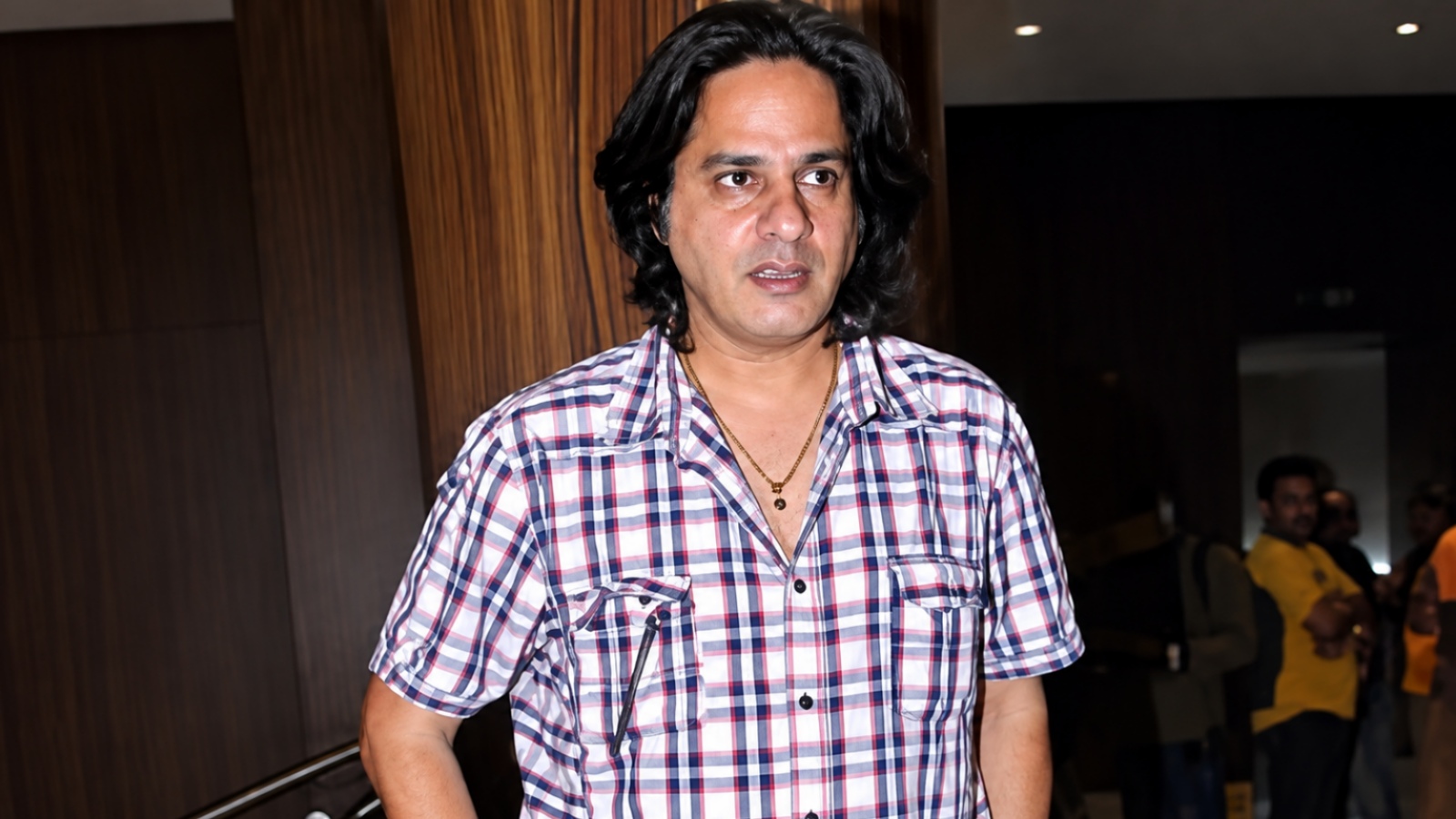
Actor Rahul Roy has transitioned to a strict vegan and Jain diet after surviving a brain stroke six years ago. While the actor credits these changes for his recovery, neurologists provide a critical perspective on what actually prevents recurrent strokes.
- Rahul Roy adopted a strict vegan and Jain diet, eliminating onion, garlic, and dairy post-stroke.
- The actor currently manages his health with a regimen of eight daily medications.
- Neurologists emphasize that blood pressure and cholesterol control are more critical than avoiding specific vegetables.
- Smoking cessation and medication adherence are the most vital factors in preventing secondary strokes.
Six years after suffering a debilitating brain stroke that left him struggling with speech and mobility, actor Rahul Roy has opened up about the radical transformation of his daily life. In a candid reflection on his journey, Roy detailed how the trauma of the event pushed him to abandon his previous habits—which included smoking and a non-vegetarian diet—in favor of a disciplined, restrictive lifestyle.
Roy now adheres to a strict vegan and Jain diet, completely avoiding onion, garlic, and all dairy products. Beyond the dietary restrictions, he revealed that his medical recovery is supported by a rigorous pharmaceutical regimen, stating that he takes eight different medicines with his breakfast and dinner to maintain his health.
Why This Matters
BozokMedia analysis shows a growing trend of celebrities attributing medical recovery to specific dietary philosophies. However, there is often a gap between personal belief and clinical evidence. While Roy's discipline is commendable, it is crucial to distinguish between 'wellness choices' and 'medical necessities' to prevent the general public from adopting restrictive diets that may not be scientifically backed for stroke recovery.
According to Dr. Yogesh Godge, a Consultant Neurologist at Jupiter Hospital, Thane, the recovery process extends far beyond hospital discharge. He clarifies that while a nutrient-rich diet supports cardiovascular health, no specific diet can reverse the neurological damage caused by a stroke. The primary objective for any survivor should be the management of hypertension, diabetes, and obesity.
"There is no strong clinical evidence to show that avoiding onion, garlic, chicken, or dairy specifically improves neurological recovery following a stroke."
Dr. Godge emphasizes that while a vegan or Jain diet can be healthy, the benefits stem from the overall intake of fruits, vegetables, and whole grains rather than the exclusion of specific items like garlic or onion. He warns that those opting for strict veganism must be vigilant about supplementing Vitamin B12, Calcium, and Vitamin D to avoid nutritional deficiencies.
Historical Background: Stroke Recovery Patterns
Historically, stroke rehabilitation focused primarily on physical therapy and speech exercises. However, modern medicine has shifted toward a holistic approach integrating 'lifestyle medicine.' This includes the management of 'vascular risk factors'—the biological triggers that cause blood clots or hemorrhages in the brain. The shift from a high-sodium, processed diet to a plant-based approach is globally recognized as beneficial, though the specific 'Jain' restriction is a personal choice rather than a medical mandate.
| Factor | Personal Choice (Rahul Roy) | Clinical Recommendation (Neurologists) |
|---|---|---|
| Dietary Restriction | No Onion, Garlic, Dairy | Low Sodium, Low Processed Sugar |
| Protein Source | Strict Vegan/Plant-based | Balanced Protein (Lean meats/Pulses) |
| Key Focus | Spiritual/Dietary Purity | BP, Cholesterol & Glucose Control |
| Lifestyle | Total Abstinence from Smoking | Mandatory Smoking Cessation |
Frequently Asked Questions
Q1: Does avoiding garlic and onion help in brain recovery?
No, there is no clinical evidence suggesting that eliminating these specific vegetables improves neurological recovery or prevents recurrent strokes.
Q2: What are the most critical lifestyle changes for a stroke survivor?
The most critical changes include quitting smoking, maintaining a healthy weight, limiting alcohol, and strictly adhering to prescribed medications for blood pressure and cholesterol.