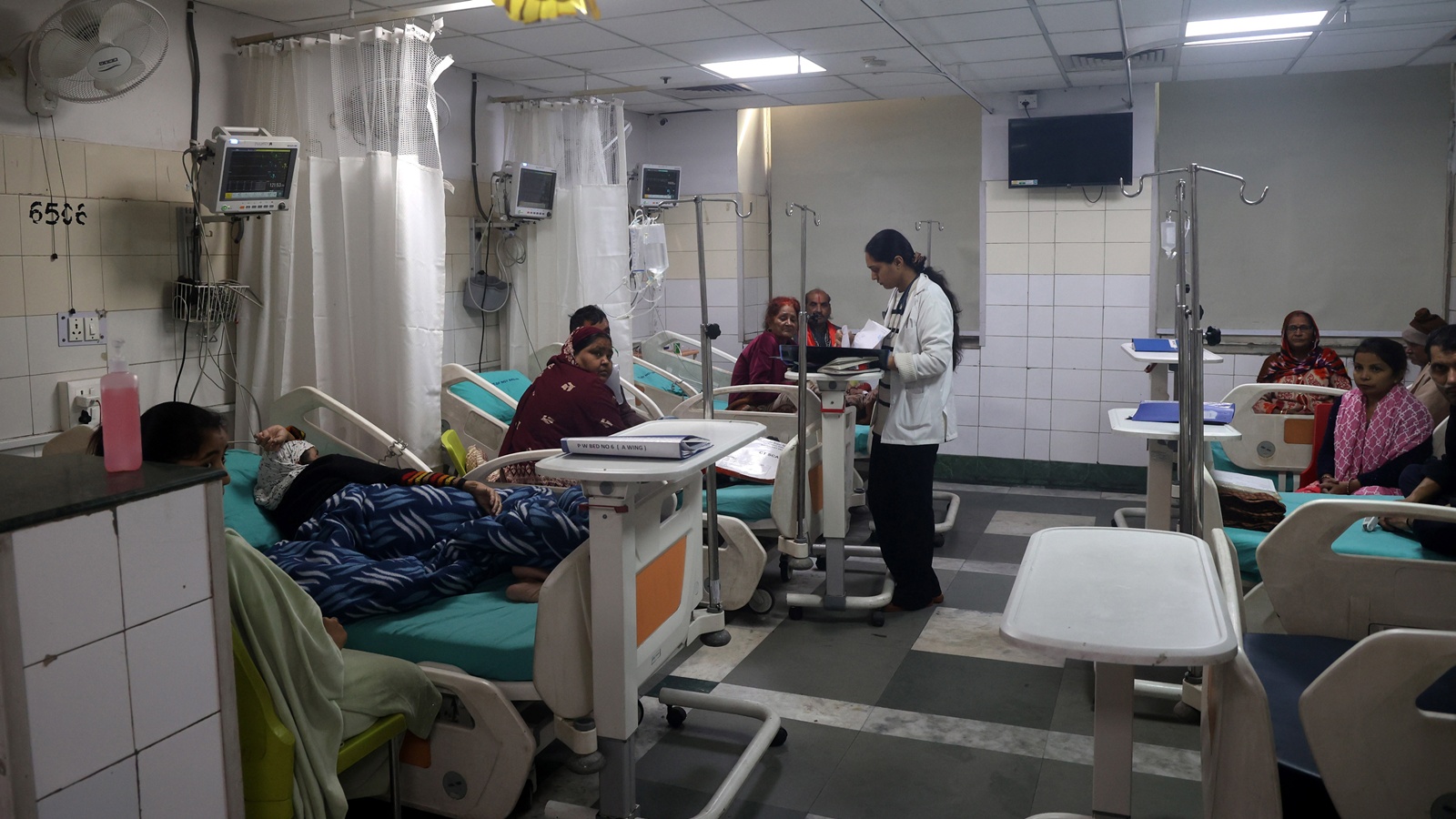
A Parliamentary Standing Committee has revealed a massive healthcare gap affecting 400 million Indians. This 'missing middle' faces financial ruin not from single emergencies, but from the relentless cost of medicines and chronic care.
- Over 25% of India's population (40 crore people) lack adequate healthcare financial protection.
- The private sector handles 60% of inpatient and 70% of outpatient care, driving up costs.
- Public health spending stands at just 1.43% of GDP, far below the 2.5% national target.
A profound structural fault line has been identified in India's healthcare architecture. According to a recent report by the Parliamentary Standing Committee on Health and Family Welfare, more than 40 crore Indians are caught in a precarious 'missing middle.' These individuals are too affluent to qualify for government subsidies but lack the financial resilience to absorb the skyrocketing costs of private medical care.
The report, titled ‘Affordability and Accessibility of Healthcare Facilities in Public and Private Sector,’ highlights that the threat to this demographic is not merely a single catastrophic medical bill. Instead, it is the 'slow erosion' of household wealth caused by the recurring costs of medicines, consultations, diagnostic tests, and repeated treatments for chronic conditions.
Why This Matters
BozokMedia analysis shows that as India shifts toward a private-sector-led healthcare model, the social safety net for the middle class remains virtually non-existent. While schemes like Ayushman Bharat-PMJAY protect the most vulnerable, the middle class is left to navigate a complex and expensive private market without sufficient institutional support.
The real danger for the Indian middle class is not a sudden medical emergency, but the cumulative weight of managing non-communicable diseases through private channels.
The vulnerability is exacerbated by low public investment. India's current government health expenditure is a mere 1.43% of GDP, significantly lower than the 2.5% mandate set by the National Health Policy of 2017. This lack of funding forces citizens toward the private sector, where prices remain opaque and high.
| Service Type | Public Facility (Avg. Cost) | Private Facility (Avg. Cost) |
|---|---|---|
| Childbirth | ₹2,299 | ₹37,630 |
| Market Dominance | Subsidized/Low Cost | High Cost/Private Driven |
Furthermore, the committee flagged concerns regarding the pharmaceutical sector, noting that medicines account for nearly 30% of current health expenditure. Issues such as excessive retail margins and the non-prescription sale of antibiotics were also highlighted as areas requiring urgent regulatory intervention.
Frequently Asked Questions
1. Who constitutes the 'missing middle' in healthcare?
It refers to the massive segment of the population that does not qualify for government welfare but cannot afford high-end private healthcare.
2. What are the committee's main recommendations?
The committee suggests stronger public infrastructure, mandatory quality standards, and greater price transparency in private hospitals.