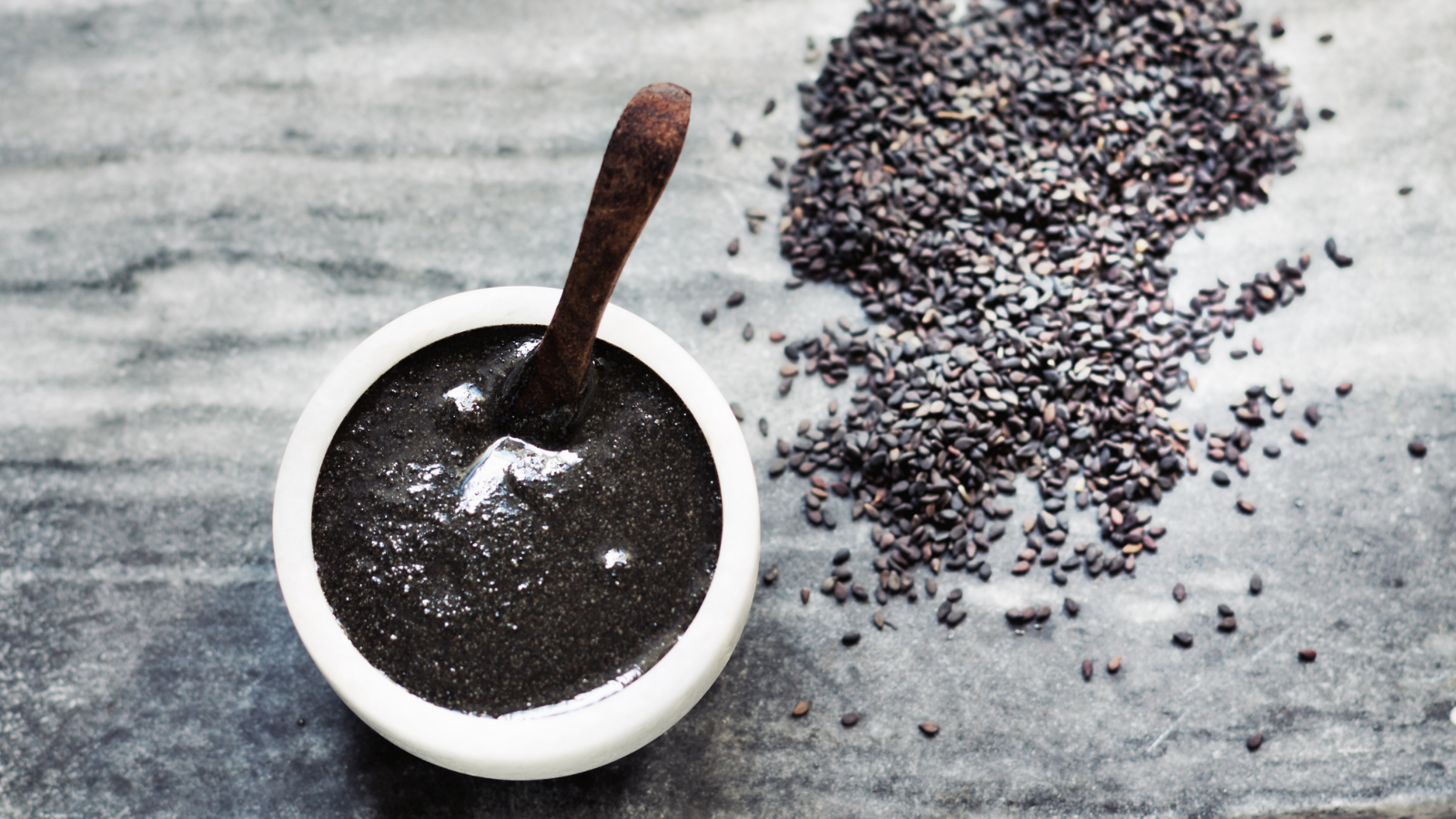
Discover the immense nutritional power of black sesame seeds. Learn how these tiny superfoods support heart, bone, and digestive health.
- Black sesame seeds are rich in protein, fiber, calcium, and magnesium.
- They offer significant benefits for heart, bone, and skin health.
- A daily serving of 1-2 tablespoons (10-20g) is recommended.
- High calorie density means portion control is essential.
Black sesame seeds, widely known in India as Kala Til, have been a staple in traditional diets for generations. Despite their long history, their profound nutritional importance is often underestimated in modern dietary discussions. These seeds are a concentrated source of healthy fats, plant-based protein, dietary fiber, and essential minerals including calcium, magnesium, iron, and zinc.
Nutritional Breakdown
According to the Indian Food Composition Tables (IFCT), 100 grams of black sesame seeds provide approximately 506 kcal, 19.2g of protein, and 17.2g of dietary fiber. This high nutrient density makes them a potent addition to any wellness-focused diet.
Black sesame seeds contain natural plant compounds and antioxidants that protect cells from oxidative stress and support cardiovascular health.
Why This Matters
BozokMedia analysis shows that incorporating functional foods like black sesame can bridge the gap in micronutrient deficiencies. Experts highlight several key areas of impact:
- Cardiovascular Support: The presence of unsaturated fats and lignans helps maintain healthy cholesterol levels.
- Skeletal Integrity: High levels of calcium and phosphorus contribute to robust bone and muscle function.
- Digestive Efficiency: The significant fiber content promotes regular bowel movements and helps in satiety, aiding weight management.
- Dermatological Health: Zinc and iron, combined with antioxidants, promote healthy skin and hair growth.
Expert Guidance on Consumption
While the benefits are vast, experts warn against overconsumption due to the high caloric density. Dr. Seema Dhir and clinical dietician Meenakshi Aggarwal suggest that the most practical way to consume them is by sprinkling 1-2 tablespoons (10-20g) daily over salads, yogurt, soups, or smoothies. They emphasize that no single food is a 'magic bullet'; rather, they should be part of a balanced lifestyle.
Historical Context
Historically, black sesame seeds have been utilized in Ayurvedic medicine to balance 'Vata' and provide warmth to the body. Modern nutritional science is now validating these ancient practices by identifying the specific antioxidants and minerals responsible for these effects.
Frequently Asked Questions
1. Can black sesame seeds help with weight loss?
Yes, due to their high fiber and protein content, they can increase satiety, helping you feel full longer.
2. Is it safe to eat them every day?
Yes, a moderate amount (1-2 tablespoons) is safe and highly beneficial for most individuals.