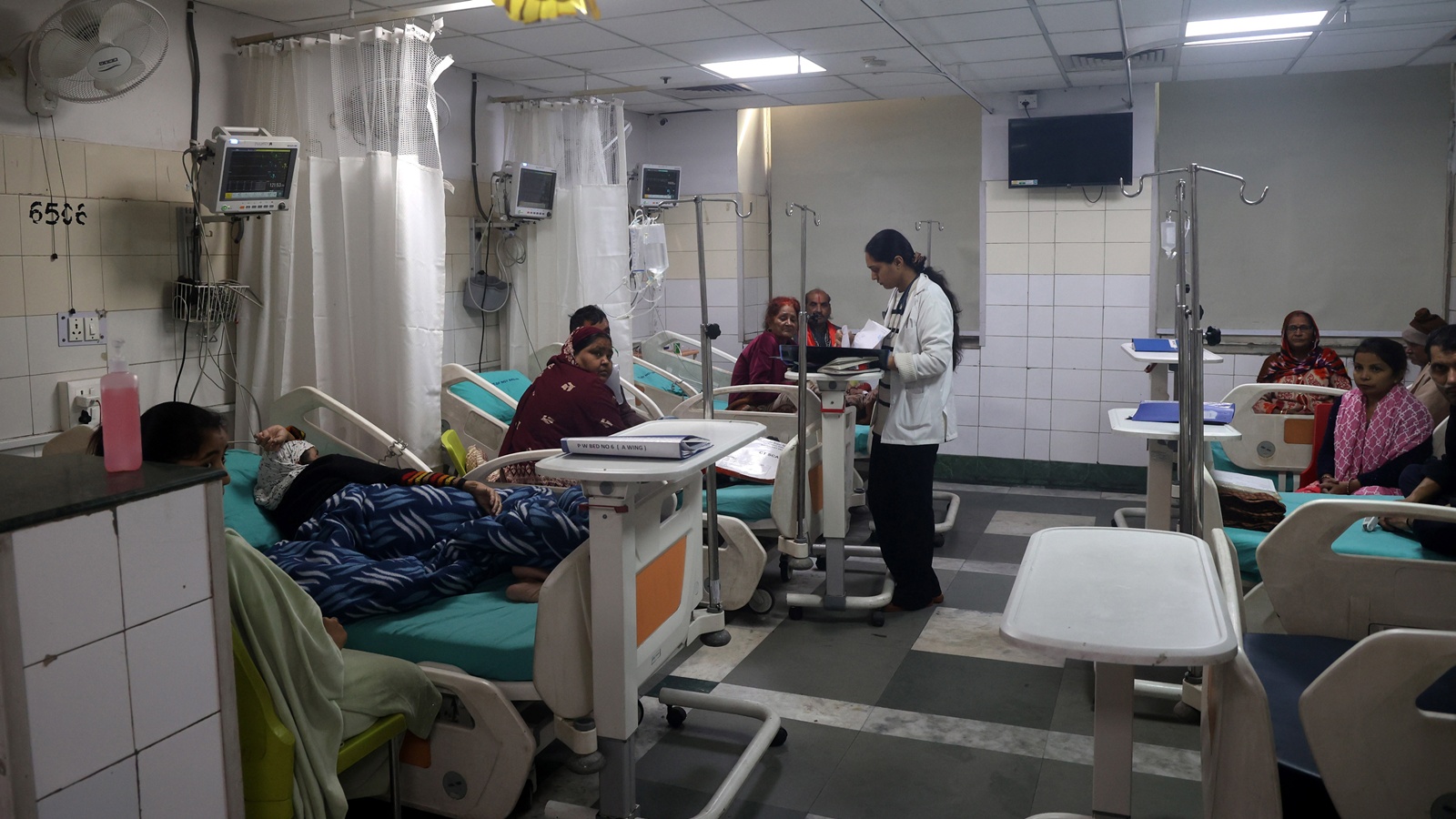
Hospital bills can escalate into lakhs, often containing hidden discrepancies. Learn how to audit your medical bills and protect your finances from unnecessary charges.
- Always request an 'itemized bill' that details every single medication and test.
- Upgrading your room can disproportionately increase doctor fees and nursing charges.
- Regularly cross-check consumables and procedures against nursing station records.
- Review your insurance policy's 'non-payable' list before hospital admission.
Decoding a hospital bill can feel like solving a complex puzzle. For families already navigating the emotional turmoil of a medical crisis, a bill running into lakhs adds a secondary layer of financial stress. The issue is rarely an obvious overcharge, but rather subtle discrepancies scattered across dozens of line items—such as doctor fees without a name, or charges for consumables that were never fully used.
Common Discrepancies in Medical Billing
Recent reports have highlighted instances where patients were charged full price for partially used items like hand sanitizers, or billed for MRI films that were never provided. Another common issue is the separation of nursing charges from room rent, or charging for Resident Medical Officer (RMO) visits without specifying the practitioner. These errors are hardest to catch during discharge, when the primary focus is on the patient's recovery and going home.
Expert analysis suggests that reviewing billing heads in real-time during treatment is far more effective than trying to reconstruct expenses after discharge.
Why This Matters
BozokMedia analysis shows that private hospitals often track 'Average Revenue Per Occupied Bed' (ARPOB) as a key metric. This pressure to maintain high revenue can inadvertently lead to aggressive billing practices. Furthermore, a single decision—like upgrading to a luxury room—can trigger a snowball effect, where doctor consultation fees and nursing charges are scaled up proportionately to the higher room category, leading to massive unexpected costs.
Essential Checklist for Patients
To ensure accuracy, families should monitor the following categories: Medicines, Diagnostics, Consumables/Disposables, Specialist Visits, Room Rent, and Biomedical Waste Handling.
| Billing Category | What to Verify |
|---|---|
| Medications & Tests | Does the quantity and date match the actual administration? |
| Room & Nursing | Are nursing charges being double-billed alongside room rent? |
| Consumables | Are items like gloves or sanitizers being charged at full price incorrectly? |
Frequently Asked Questions
1. What should I do if I find an error in my bill?
Demand an itemized bill immediately and, if unresolved, escalate the matter in writing to the hospital's higher administration or patient grievance cell.
2. Does insurance cover room upgrades?
While the insurance might cover the base room, any upgrade usually leads to increased proportionate charges for doctors and nursing that are often not covered.