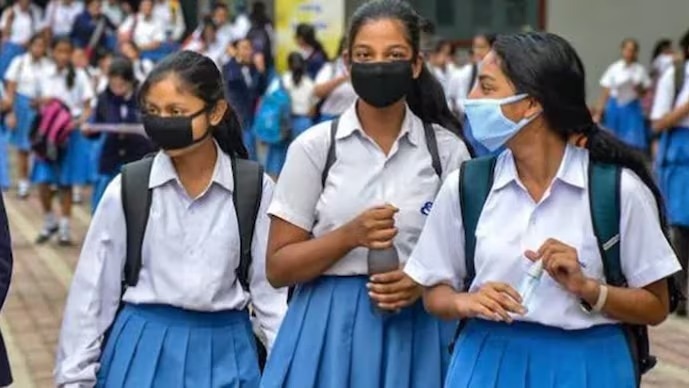
In a proactive move to curb the spread of dengue, West Bengal Health Minister Dr. Sharad Mukherjee has urged schools to allow students to wear full-coverage clothing, including salwar suits for girls, for the next three months.
- Health Minister urges schools to modify student uniforms to prevent mosquito bites.
- The recommendation covers a three-month period: September, October, and November.
- Girls are encouraged to wear salwar suits instead of skirts for full leg coverage.
- Knee-high socks were rejected as an insufficient protective measure.
As West Bengal battles a surge in mosquito-borne illnesses, Health Minister Dr. Sharad Mukherjee has made a significant appeal to educational institutions across the state. During a high-level review meeting at Swasthya Bhavan, the minister emphasized the need for temporary changes in school attire to protect students from dengue during the peak transmission season.
The minister has called upon headmasters, headmistresses, and teachers to allow students to wear full-sleeved shirts and full-length trousers. Specifically addressing the uniform for female students, Mukherjee urged schools to permit girls to switch from skirts to salwar suits to ensure their legs remain fully covered and protected from mosquito bites.
Why This Matters
BozokMedia analysis shows that school-going children are a high-risk demographic during the monsoon and post-monsoon periods in West Bengal. As students spend significant hours in school environments where mosquito breeding may occur, minimizing exposed skin is a direct and effective preventive strategy to lower infection rates.
"We can completely prevent dengue afterward. Awareness is required; please do not send girls to school wearing skirts." - Dr. Sharad Mukherjee
During the discussions, a suggestion was made to implement the use of knee-high socks as a protective layer. However, Minister Mukherjee dismissed this idea, noting that thin, skin-clinging socks do not provide a sufficient barrier against the Aedes mosquito, which can easily bite through thin fabric.
The state government is expected to formalize these guidelines through an administrative circular for government-run schools. While private institutions will be requested to follow suit, the final decision regarding uniform modifications will rest with the individual school administrations.
Historical Background
Dengue fever has become a recurring seasonal crisis in West Bengal. The state's climate, characterized by high humidity and heavy monsoon rains, provides ideal breeding grounds for mosquitoes. Over the years, health authorities have moved from purely reactive measures, like fumigation, to more proactive community and behavioral interventions to manage the epidemic.
Frequently Asked Questions
Question 1: How long will these clothing changes be recommended?
Answer: The minister has recommended these changes for a period of three months, specifically covering September, October, and November.
Question 2: Will this be mandatory for private schools?
Answer: While a formal circular will be issued for government schools, private schools are being requested to adopt these measures voluntarily.