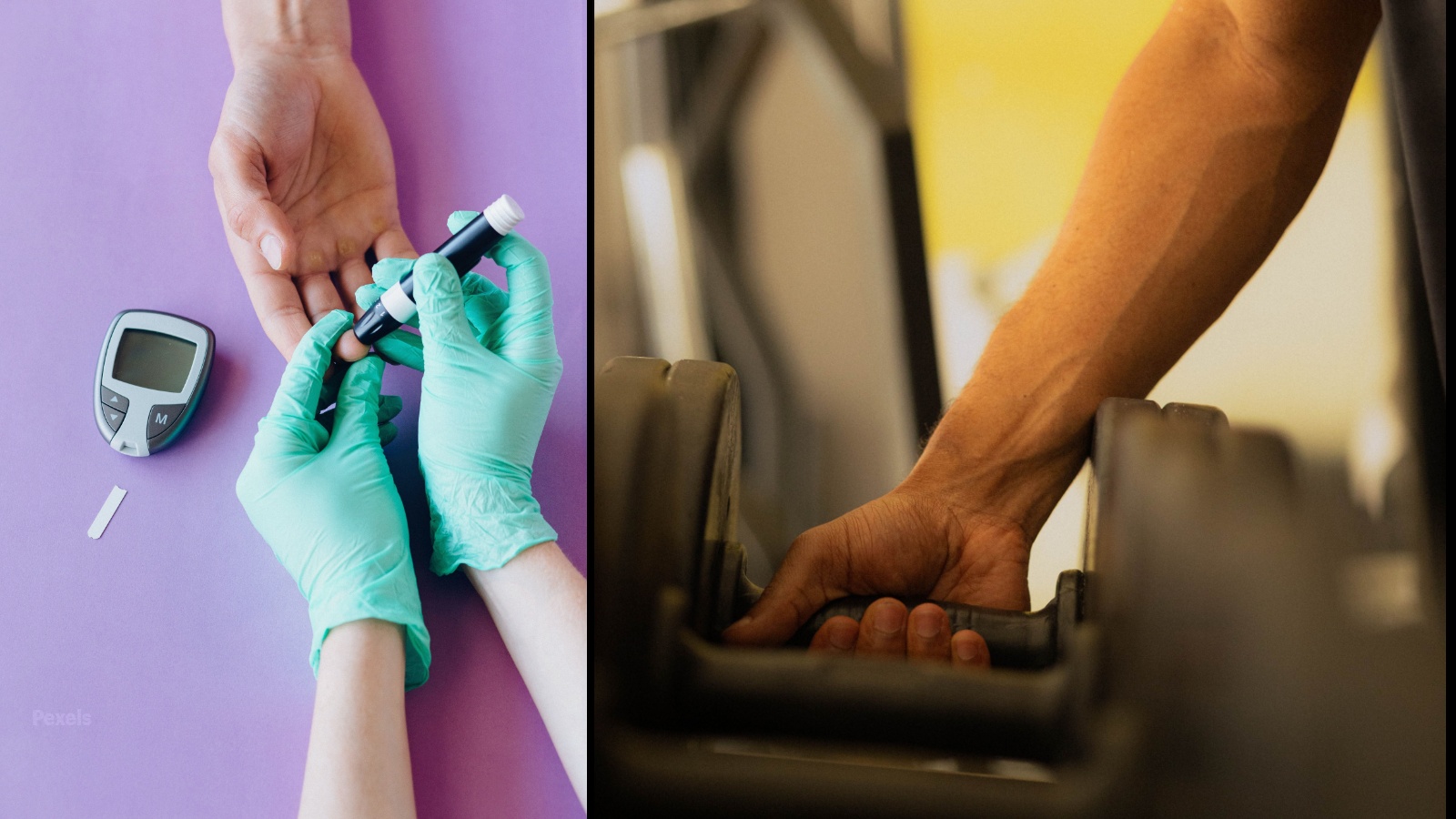
Discover why intense workouts like HIIT and heavy resistance training can cause temporary blood sugar spikes and learn when these fluctuations become a medical concern.
- Intense exercise triggers stress hormones like adrenaline and cortisol.
- These hormones signal the liver to release stored glucose for immediate energy.
- If hepatic glucose output exceeds muscle consumption, blood sugar rises.
- Moderate activities like walking generally help lower glucose levels.
It is a common medical recommendation to exercise to manage blood sugar. However, many fitness enthusiasts and diabetics face a confusing phenomenon: checking their glucose levels after a vigorous workout only to find them significantly higher than before. This spike, particularly after High-Intensity Interval Training (HIIT) or heavy lifting, can be alarming but is often a physiological response.
The Role of Stress Hormones and the Liver
According to Dt. Archana Batra, a Dietitian and Certified Diabetes Educator, exercise typically aids in lowering blood sugar because muscles consume glucose for fuel. However, the intensity of the workout changes the body's chemical signaling. During strenuous activity, the body releases counter-regulatory hormones such as adrenaline, noradrenaline, and cortisol.
These hormones act as messengers, signaling the liver to undergo glycogenolysis—the process of breaking down stored glycogen into glucose—to provide the muscles with immediate energy. If the liver releases glucose into the bloodstream faster than the working muscles can absorb it, a temporary spike occurs.
Why This Matters
BozokMedia analysis shows that understanding the distinction between 'physiological stress' and 'metabolic dysfunction' is crucial for athletes and patients alike. Misinterpreting a post-workout spike can lead to unnecessary anxiety or, conversely, a dangerous neglect of actual hyperglycemic trends.
If the hepatic glucose output temporarily exceeds what the exercising muscles consume, blood glucose can rise.
Dr. Rajiv Kovil, a Diabetes & Obesity Specialist, echoes this, noting that the body perceives extreme physical exertion as a form of physiological stress, triggering a rapid fuel release mechanism to ensure survival during high-demand activities.
Workout Types and Glucose Response
Not all movement is created equal when it comes to glucose management. The following table compares how different intensities affect your levels:
| Exercise Type | Glucose Impact | Primary Driver |
|---|---|---|
| HIIT / Sprinting | Temporary Spike | High Adrenaline Release |
| Heavy Resistance Training | Temporary Spike | Stress Hormone Surge |
| Brisk Walking | Reduction | Steady Glucose Uptake |
| Steady Cycling/Swimming | Reduction | Consistent Energy Consumption |
Historical Background: This biological mechanism is rooted in the evolutionary 'fight or flight' response. For our ancestors, a sudden burst of energy was necessary to escape predators, a process driven by the rapid mobilization of glucose from the liver.
When to Seek Medical Attention
While a modest rise is often normal, persistent or extreme elevations require caution. Individuals should monitor for symptoms such as excessive thirst, frequent urination, nausea, or confusion. For those with Type 1 diabetes, if blood sugar exceeds 250 mg/dL, checking for ketones is vital to avoid the risk of diabetic ketoacidosis (DKA).
Frequently Asked Questions
1. Should I avoid weightlifting if my sugar rises?
No. Resistance training improves long-term insulin sensitivity. It is about tracking patterns, not avoiding the activity.
2. How can I stabilize my levels after HIIT?
Experts suggest following intense sessions with 10–20 minutes of moderate-intensity aerobic activity to help clear the excess circulating glucose.