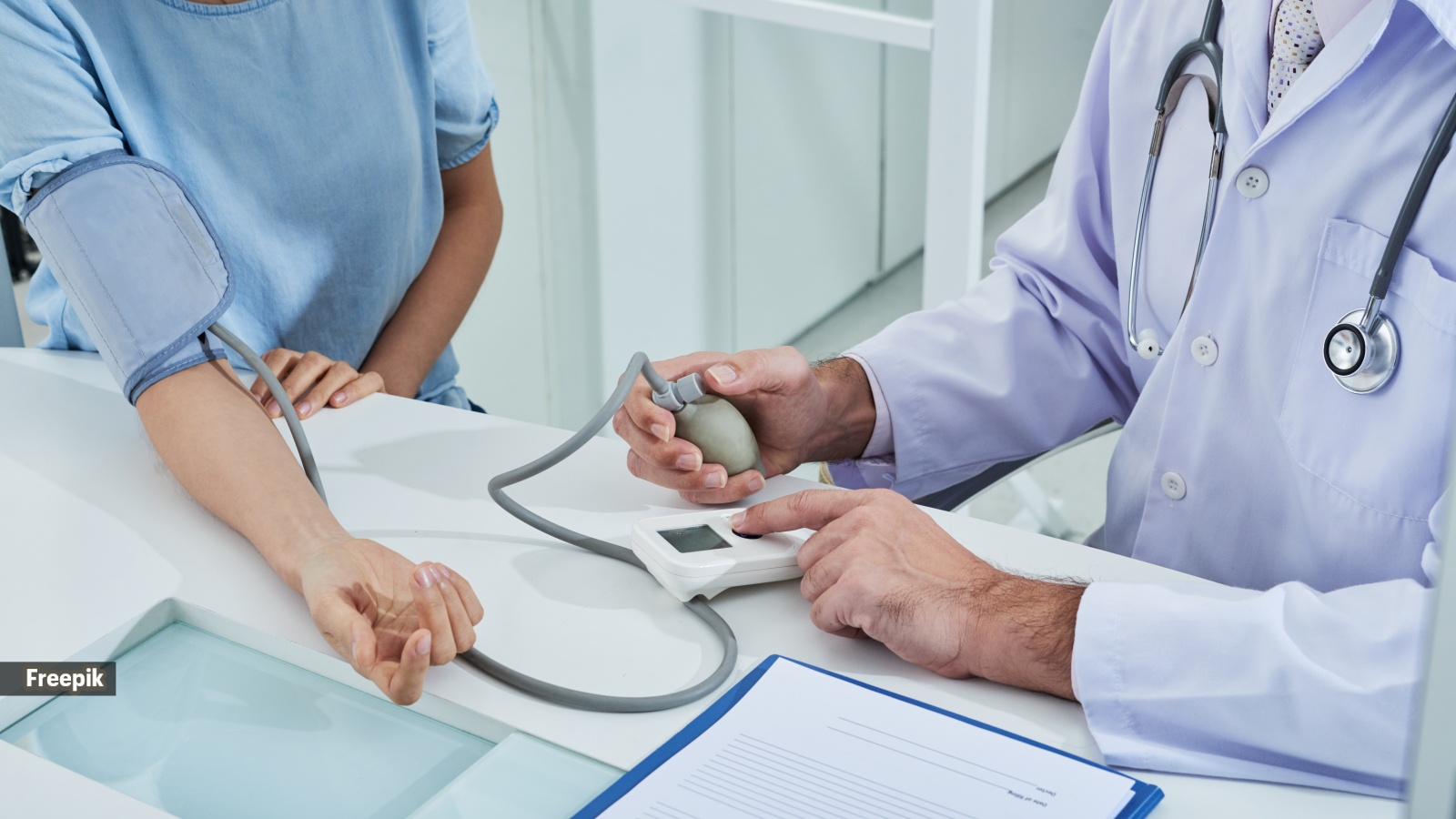
Physiotherapy plays a transformative role in rehabilitating patients suffering from cardiovascular diseases and stroke. It is essential for restoring mobility and long-term health.
- Physiotherapy helps regulate heart rate and blood pressure effectively.
- It is indispensable for neurological recovery in stroke survivors.
- Structured movement reduces the risk of secondary cardiovascular events.
According to recent medical insights and reports from institutions like Manipal Hospital Bhubaneswar, physiotherapy has emerged as a cornerstone in the management and recovery of Cardiovascular Disease (CVD) and Stroke. Far from being a mere supplementary treatment, it is a critical intervention that dictates the quality of life for survivors.
Cardiovascular Rehabilitation and Mobility
For individuals battling heart disease, physiotherapy provides a structured approach to movement. Specialized cardiac rehabilitation programs are designed to improve cardiovascular endurance without placing undue stress on the heart muscle. By improving circulation and optimizing oxygen uptake, physiotherapy helps stabilize blood pressure and manage cholesterol levels.
Why This Matters
BozokMedia analysis shows that as sedentary lifestyles contribute to rising cardiac incidents globally, the integration of physiotherapy into standard cardiac care is no longer optional. It serves as a preventive measure against hospital readmissions and chronic disability.
Physiotherapy is the scientific bridge that reconnects physical capability with physiological stability.
Stroke Recovery: Rebuilding Neural Pathways
Stroke recovery presents unique challenges, including hemiparesis (weakness on one side), loss of balance, and impaired coordination. Neuro-physiotherapy focuses on leveraging neuroplasticity—the brain's ability to reorganize itself by forming new neural connections. Through targeted exercises, patients can regain motor functions that were previously thought to be permanently lost.
Historical Background: Historically, stroke patients were often advised to remain sedentary to avoid further injury. However, modern medical science has shifted toward 'early mobilization,' proving that active movement is the most effective way to trigger neurological healing.
Frequently Asked Questions
1. Can cardiovascular patients exercise without supervision?
It is strongly advised that patients with heart conditions undergo supervised exercise programs to monitor vital signs.
2. How long does stroke rehabilitation take?
Recovery is highly individualized, but early and consistent physiotherapy is key to maximizing long-term outcomes.