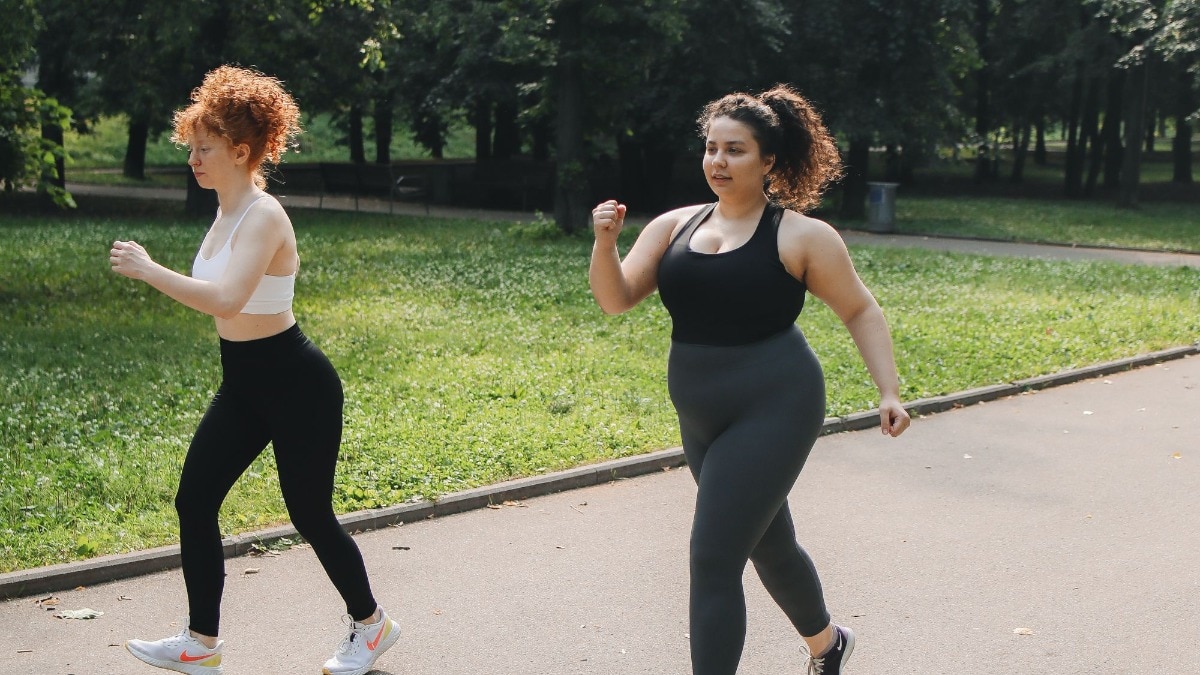
A new fitness revolution is underway as people ditch heavy gym sessions and intense HIIT for the simplicity of walking. This low-impact trend is redefining what it means to be healthy in the modern age.
- The fitness industry is shifting from high-intensity workouts to low-impact walking.
- Walking offers a sustainable, low-stress alternative to traditional gym routines.
- Mental health benefits and accessibility are driving this global wellness movement.
The landscape of physical fitness is undergoing a seismic shift. For decades, the gold standard of health involved heavy lifting, high-intensity interval training (HIIT), and grueling gym sessions designed to push the body to its limits. However, a new, quieter movement is gaining massive momentum: 'No gym, no HIIT, just walk.'
This trend prioritizes accessibility and sustainability over intensity. Instead of viewing exercise as a punishing chore that requires expensive memberships and specialized gear, people are embracing the natural rhythm of walking. It is a movement that meets people where they are, regardless of their fitness level or socioeconomic status.
Why This Matters
BozokMedia analysis shows that this shift is a direct response to the burnout culture prevalent in modern society. As high-stress lifestyles become the norm, many are finding that extreme physical exertion adds more stress to the body rather than relieving it. Walking serves as a meditative, low-cortisol alternative.
Consistency outperforms intensity when it comes to long-term metabolic and mental health.
Beyond weight management, walking offers profound physiological benefits. It improves cardiovascular health, aids digestion, and stabilizes blood sugar levels. More importantly, it provides a mental reset, allowing individuals to disconnect from digital screens and reconnect with their surroundings.
Historical Background
Historically, human movement was inherently functional and continuous. Before the advent of sedentary office culture and motorized transport, walking was a primary mode of survival and travel. The current wellness trend is essentially a biological homecoming—returning to the way the human body was designed to move.
| Feature | HIIT / Gym Workouts | Walking |
|---|---|---|
| Intensity Level | High | Low to Moderate |
| Injury Risk | Higher | Minimal |
| Cost Factor | Expensive | Free |
| Mental Impact | Can be stressful | Stress-reducing |
Frequently Asked Questions
1. Can walking alone lead to significant weight loss?
Yes, when combined with a calorie-controlled diet, walking is an effective tool for fat loss and metabolic health.
2. How much walking is recommended daily?
While 10,000 steps is a popular goal, even 30 minutes of brisk walking daily can yield massive health benefits.