The Sapiens Health Foundation has officially endorsed the Tamil Nadu Government's new campaign to reduce salt intake, aiming to combat the rising tide of hypertension and cardiovascular diseases.
- Tamil Nadu Government launches a state-wide salt reduction campaign to improve public health.
- Sapiens Health Foundation highlights the link between high salt intake and stroke, heart attack, and kidney disease.
- Successful global models, like the UK's 2005 initiative, serve as a blueprint for reducing sodium in processed foods.
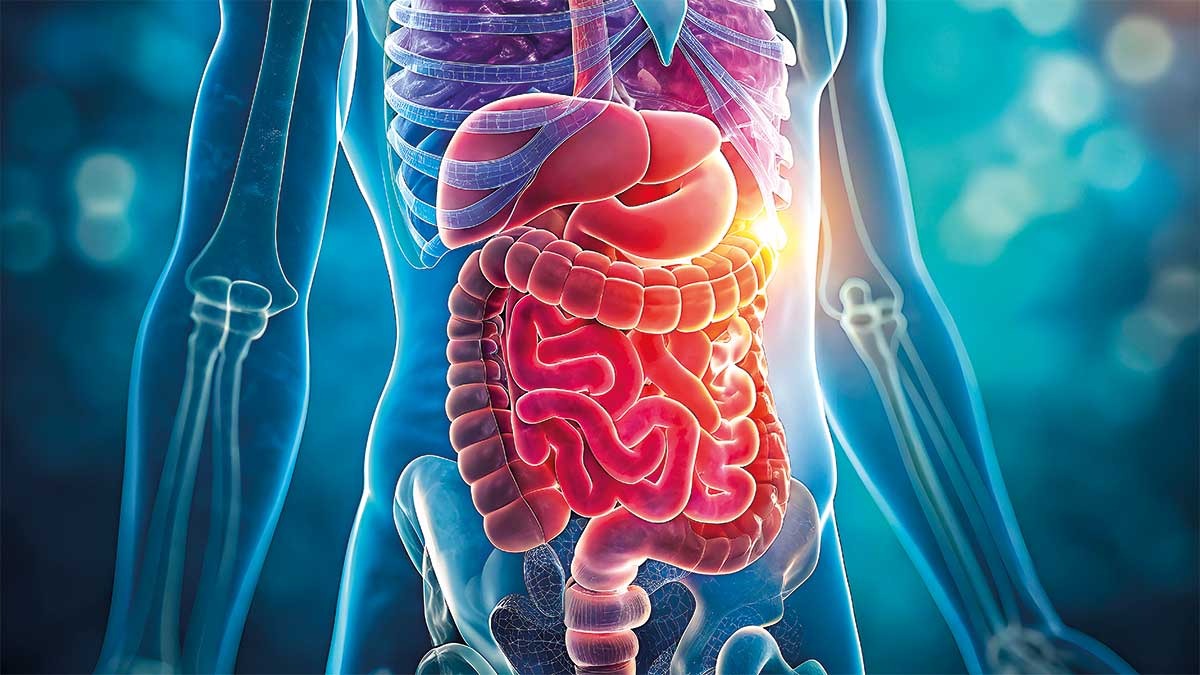
The Sapiens Health Foundation has formally welcomed the Tamil Nadu Government’s recent announcement in the Assembly regarding a comprehensive salt reduction campaign. This strategic move is seen as a critical intervention to mitigate the growing burden of non-communicable diseases (NCDs) across the state, specifically targeting the reduction of sodium intake to lower the incidence of chronic ailments.
According to the Foundation, a sustained effort to reduce salt consumption can significantly decrease the prevalence of hypertension, stroke, heart attacks, and kidney disease. By lowering the population's salt intake, the state can not only improve overall life expectancy but also drastically reduce the escalating healthcare costs associated with long-term cardiovascular care.
Why This Matters
BozokMedia analysis shows that the integration of government policy with grassroots advocacy creates a powerful synergy. When a state government adopts a health campaign, it moves from simple 'awareness' to 'systemic change,' potentially influencing food manufacturing standards and public procurement policies. This shift is essential because individual willpower is often insufficient against the high salt content found in processed industrial foods.
The Foundation pointed toward international success stories, specifically the UK’s salt-reduction campaign initiated in 2005 by Graham MacGregor of the World Action on Salt, Sugar and Health (WASSH). This initiative led to a documented 30% reduction of salt in bread, proving that industry-wide cooperation can yield tangible health results.
"Reducing sodium intake is one of the most cost-effective ways to prevent cardiovascular death on a global scale."
The Sapiens Health Foundation is no stranger to this fight. Their journey began in 2010 with a high-profile walkathon at Marina Beach, which later expanded to Tiruchi and Puducherry. The foundation's efforts were recognized globally in 2014 when founder-chairman Rajan Ravichandran received the Notable Achievement Award from the World Hypertension League.
Beyond public rallies, the Foundation has engaged in corporate diplomacy, writing to over 300 food manufacturers. They highlighted the positive responses from giants like Nestlé and Hindustan Lever, who have already reduced salt in their noodle products. Furthermore, the Foundation has collaborated with IIT-Madras and IIT-Bombay to host international conferences on salt and health.
To ensure the medical community is aligned, the Foundation has conducted specialized workshops for over 500 physicians across major hubs including Chennai, Mumbai, Delhi, and Vijayawada. They are now strongly advocating for 'front-of-pack' food labeling, which allows consumers to make informed decisions at the point of purchase.
Frequently Asked Questions
Q1: How does reducing salt help the kidneys?
High sodium levels force the kidneys to work harder to filter the blood, which over time can lead to kidney failure or chronic kidney disease.
Q2: What is 'front-of-pack' labeling?
It is a simplified nutrition label on the front of food packaging that clearly warns consumers about high levels of salt, sugar, or saturated fats.