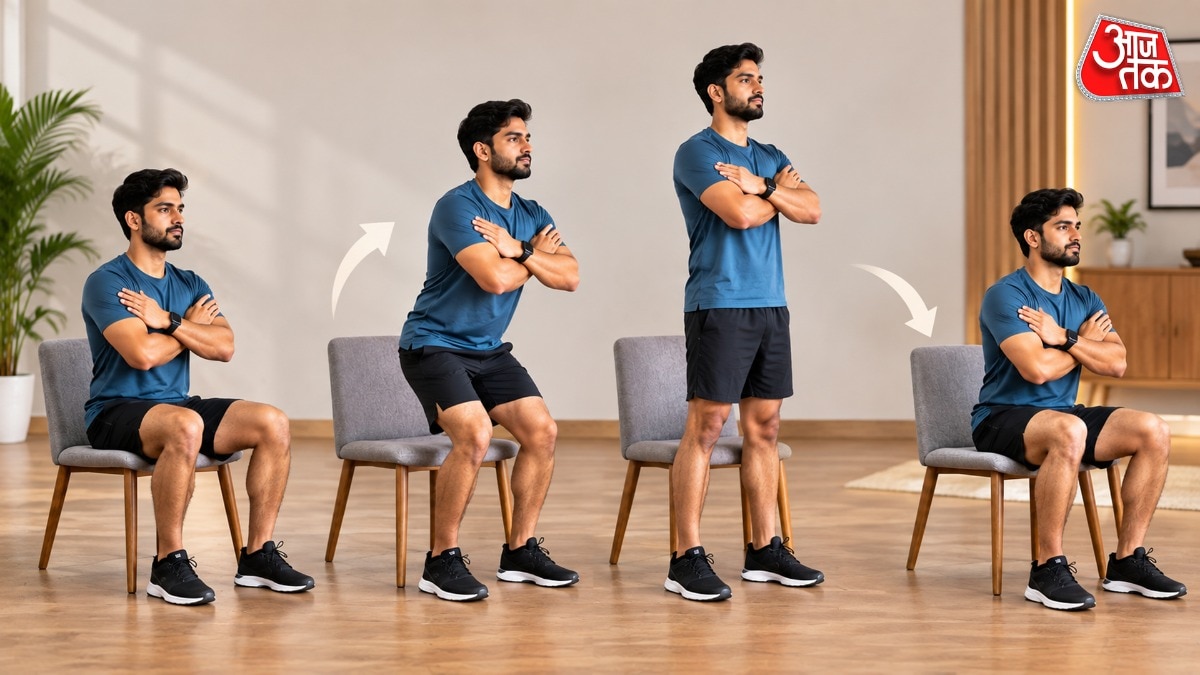
PGIMER marked World Physiotherapy Day 2026 by highlighting the critical role of physical therapy in managing cardiovascular diseases and stroke rehabilitation. The event emphasized expanding specialized care units across medical institutions.
- PGIMER hosted a comprehensive event for World Physiotherapy Day 2026 emphasizing rehabilitative care.
- Special focus was placed on the efficacy of physiotherapy in cardiovascular disease and stroke recovery.
- Institutions like RIMS announced strategic plans to expand their physiotherapy infrastructure.
PGIMER recently celebrated World Physiotherapy Day 2026 with a series of professional seminars and awareness drives. The event served as a platform to educate the public and medical fraternity on the evolving role of physiotherapy, shifting it from a supportive therapy to a primary component of recovery for critical conditions.
A significant portion of the discourse was dedicated to Cardiovascular Diseases and Stroke Recovery. Experts detailed how structured physiotherapy protocols help in reducing the long-term disability associated with strokes and improve the quality of life for heart patients through cardiac rehabilitation.
Why This Matters
BozokMedia analysis shows that as the global burden of lifestyle-related chronic diseases increases, the integration of physiotherapy into primary healthcare is no longer optional. The move toward expanding physiotherapy units in institutions like RIMS indicates a systemic shift toward comprehensive patient recovery models.
"Physiotherapy is the bridge between survival and functional independence for stroke survivors, making it an indispensable part of neurology."
Parallel celebrations were observed at RIMS and UHSR. RIMS specifically announced an expansion of its Physiotherapy Unit to accommodate the rising demand for specialized rehabilitative services. Meanwhile, UHSR focused on preemptive fitness messages to curb the onset of chronic ailments in the younger population.
Historically, physiotherapy was often marginalized as a treatment for sports injuries or geriatric stiffness. However, the current medical landscape recognizes its vital role in neuro-plasticity and hemodynamic stability, proving that movement is indeed medicine.
Frequently Asked Questions
Q1: How does physiotherapy aid in stroke recovery?
A: It helps in reducing muscle spasticity, improving balance, and utilizing neuro-muscular re-education to restore mobility.
Q2: Is physiotherapy beneficial for heart patients?
A: Yes, through cardiac rehabilitation, it strengthens the heart muscle and improves overall cardiovascular endurance and safety.