An HbA1c reading of 6.1% places you in the prediabetes category. Experts explain whether medication is necessary or if sustainable lifestyle changes can reverse the trend.
- An HbA1c of 6.1% falls within the prediabetes range (5.7% to 6.4%).
- Diabetes is formally diagnosed at a level of 6.5% or higher.
- Medication is not automatically required for a 6.1% reading.
- Lifestyle modifications can effectively lower blood glucose levels.
Discovering an HbA1c level of 6.1% on a blood report often triggers a wave of anxiety and confusion. The primary concern for most patients is whether this marks the beginning of a lifelong dependency on diabetes medication. According to Dr. Aarti Ullal, a Physician and Diabetologist at Gleneagles Hospital, Parel, this reading is a critical warning sign rather than a definitive diagnosis of diabetes.
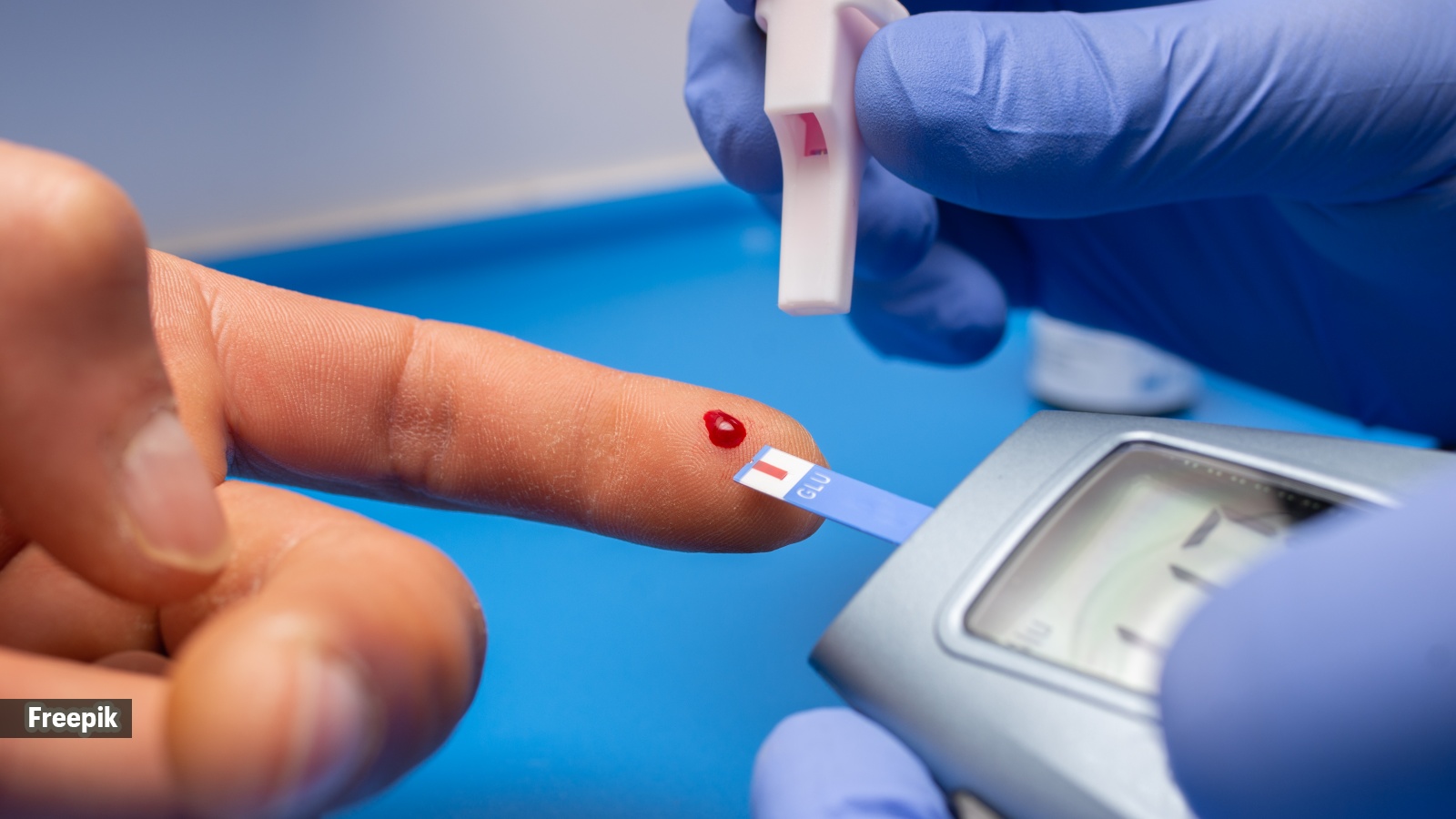
The HbA1c test provides a comprehensive look at a person's average blood glucose levels over the preceding two to three months. Unlike a fasting glucose test, which is a snapshot of a single moment, HbA1c reflects long-term glycemic control. A range of 5.7% to 6.4% is classified as prediabetes, indicating that the body is struggling to regulate blood sugar efficiently.
Why This Matters
BozokMedia analysis shows that the prediabetes phase is a pivotal window for preventative healthcare. Identifying a 6.1% level allows individuals to intervene before the condition progresses to Type 2 Diabetes. Early action not only prevents the disease but also reduces the long-term risk of cardiovascular complications and neuropathy, which are often associated with chronic hyperglycemia.
"Treatment should always be based on an individual’s overall clinical picture rather than HbA1c alone."
Whether medication is required depends on the individual's specific risk profile. Dr. Ullal notes that while lifestyle changes are the first line of defense, medication may be considered for those with severe obesity, a strong genetic predisposition (family history), or a history of gestational diabetes. Age and BMI also play significant roles in the clinical decision-making process.
Historical Background & Prevention
Historically, prediabetes was often overlooked as a dormant state. However, modern endocrinology recognizes it as an active metabolic dysfunction. The consensus among medical professionals is that sustainable habits—rather than crash diets—are key. A diet rich in whole grains, pulses, and lean proteins, combined with the elimination of processed sugars, has been clinically proven to lower HbA1c levels.
| HbA1c Category | Percentage Range (%) | Status |
|---|---|---|
| Normal | Below 5.7% | Healthy |
| Prediabetes | 5.7% - 6.4% | At Risk/Warning |
| Diabetes | 6.5% or Above | Diabetic |
For those managing a 6.1% level without medication, monitoring is essential. Repeating the test every three to six months allows patients and doctors to evaluate the efficacy of lifestyle interventions and ensure the trend is moving toward the normal range.
Frequently Asked Questions
Q1: Can an HbA1c of 6.1% return to the normal range?
A: Yes, through consistent physical activity, gradual weight loss, and a diet low in refined sugars, many people can bring their levels back below 5.7%.
Q2: How often should I test my HbA1c if I am prediabetic?
A: Generally, every 3 to 6 months is recommended to monitor progress and adjust lifestyle habits accordingly.