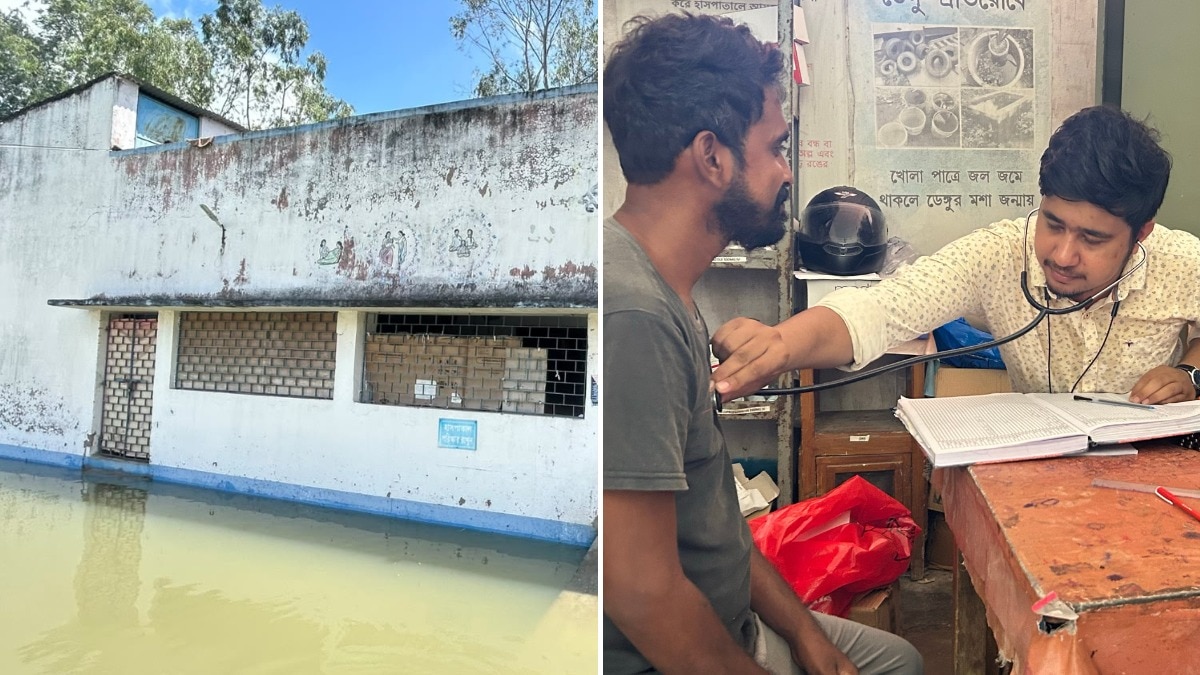
In Malda, West Bengal, rising Ganges waters have flooded Ratuah Block Hospital, submerging almost half of the building. Despite water‑filled corridors teeming with venomous snakes, Dr. Arijit and a small team continue to treat patients who have nowhere else to go.
- 40% of Ratuah Block Hospital is underwater
- Dr. Arijit walks knee‑deep in floodwater to treat patients
- Venomous snakes and insects roam the flooded corridors
Flood Surge and Hospital Condition
The Ganges has burst its banks, turning the Ratuah Block area of Malda district into a waterlogged nightmare. The district’s primary health centre, Ratuah Block Hospital, is now half submerged and cut off from the main road, reachable only by small boats.
Dr. Arijit’s Unwavering Commitment
Even as power supplies failed and darkness enveloped the wards, Dr. Arijit refused to abandon his post. “A doctor never has the option to walk away,” he said, as he waded through knee‑deep water, treating patients who have no alternative care facilities.
Snakes, Insects, and Pitch‑Dark Corridors
Without electricity, the hospital operates in near‑total darkness. Floodwater has attracted venomous snakes and swarming insects, slithering past patients’ beds. Yet Dr. Arijit emphasized, “It’s extremely difficult, but caring for patients in this crisis is more important than any fear.”
Why This Matters
BozokMedia analysis shows that such frontline resilience highlights systemic gaps in disaster‑preparedness of rural health infrastructure in India. When natural calamities strike, the lack of emergency power, flood‑proof facilities, and rapid evacuation plans forces medical professionals to risk their lives, underscoring the urgent need for policy reforms.
“Ensuring continuity of health services during floods must become a top government priority,” says public‑health expert Dr. Savita Mehta.
Frequently Asked Questions
Q1: How are patients kept safe during the flood?
A: Local volunteers and rescue teams help move patients to higher ground while doctors continue essential treatments.
Q2: Has the government provided any special assistance?
A: The state has deployed temporary tent clinics and emergency water supplies, but fundamental infrastructure remains inadequate.