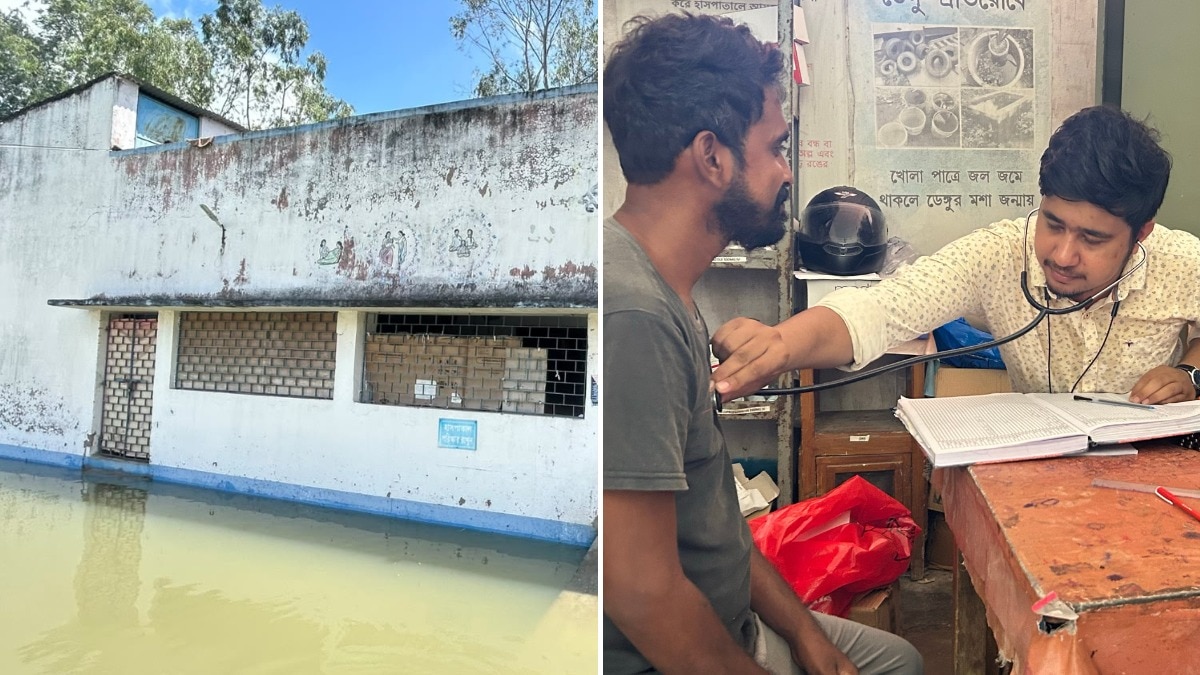
The World Health Organization (WHO) has prequalified a multi-dose RSV vaccine vial, paving the way for expanded access to life-saving protection for infants globally, particularly in resource-limited settings.
- WHO has granted prequalification to the multi-dose RSV vaccine vial.
- The move aims to reduce the global burden of lower respiratory tract infections in infants.
- Multi-dose vials lower costs and simplify logistics for mass immunization.
The World Health Organization (WHO) has officially prequalified the multi-dose RSV vaccine vial, a strategic move designed to scale up the protection of newborns and infants against Respiratory Syncytial Virus (RSV). This virus remains a leading cause of severe lower respiratory tract infections (LRTI) and hospitalizations in infants worldwide.
Prequalification is a rigorous process that ensures vaccines meet stringent international standards for safety, efficacy, and quality. By approving a multi-dose format, the WHO is facilitating a more sustainable supply chain, reducing waste, and lowering the per-dose cost for procurement agencies.
Why This Matters
BozokMedia analysis shows that while maternal RSV vaccination has demonstrated significant real-world effectiveness, systemic barriers to uptake remain high in developing nations. The shift toward multi-dose vials is a direct response to these economic barriers, allowing healthcare providers to maximize every vial in regions with limited refrigeration and transport infrastructure.
"The transition to multi-dose vials is a critical pivot in transforming a high-end medical innovation into a global public health tool."
Historically, RSV has been a seasonal menace, overwhelming pediatric wards every winter. Previous vaccine iterations, while effective, faced challenges regarding cost-effectiveness and distribution logistics. The current prequalification marks a shift toward equitable distribution, ensuring that a child's geography does not determine their survival.
With this endorsement, international procurement bodies like UNICEF and Gavi are expected to accelerate the integration of RSV vaccines into national immunization programs. This is projected to significantly lower infant morbidity and mortality rates in the coming decade.
Frequently Asked Questions
Q1: What is the significance of WHO prequalification?
A: It acts as a global seal of quality, allowing UN agencies and governments to purchase the vaccine with confidence in its safety and efficacy.
Q2: How does a multi-dose vial help in developing countries?
A: It reduces the overall cost of the vaccine and optimizes the use of limited cold-chain storage space.