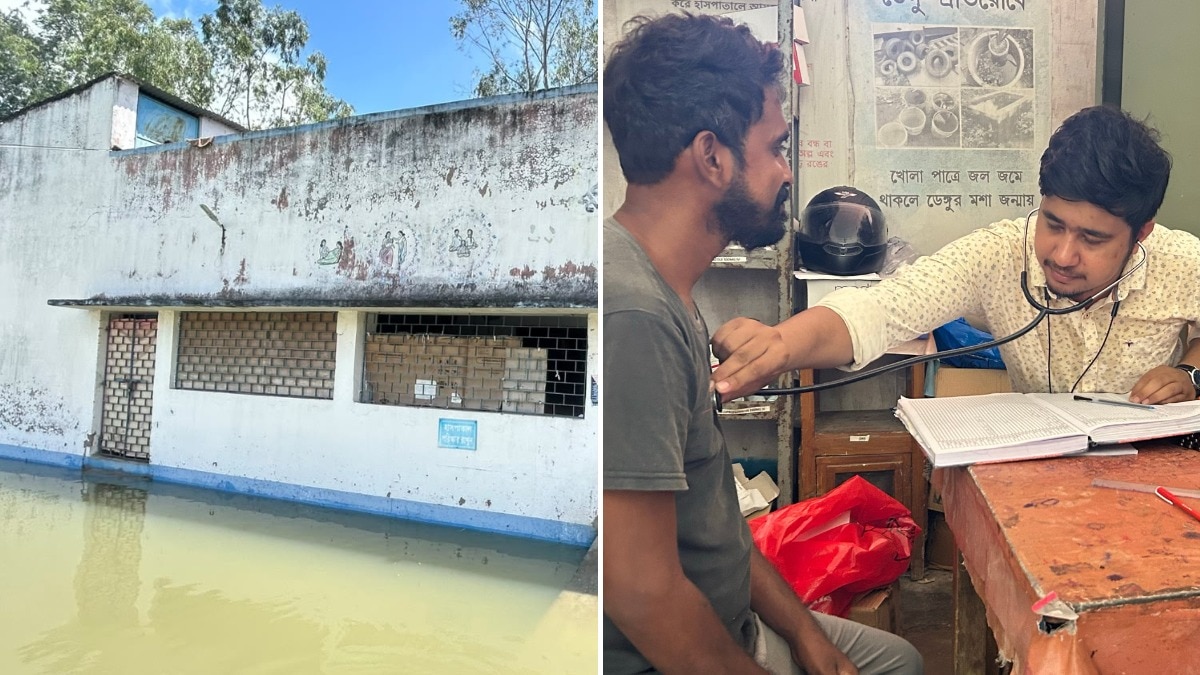
Karnataka Health Minister U.T. Khader has directed medical staff to ensure high-quality services and hygiene in government facilities, warning of strict action against fake doctors and negligence.
- High priority will be given to cleanliness, punctuality, and quality care in government hospitals.
- Strict legal action will be taken against fake doctors and negligent officials.
- Policy changes are proposed to assist doctor couples serving in the same district.
- Ambulance response times for specialized care are targeted within 20-30 minutes.
DHARWAD: In a decisive move to bolster the state's medical infrastructure, Karnataka's Health and Family Welfare Minister U.T. Khader directed doctors and healthcare staff on Saturday to prioritize high-quality services in government hospitals and primary health centers (PHCs). Speaking during a progress review meeting in Dharwad, the Minister warned that even minor lapses in service could severely erode public confidence in the government's healthcare system.
Mr. Khader emphasized that doctors at PHCs should treat their facilities with the same ownership and care as their own institutions. He stressed the critical importance of punctuality, cleanliness, and hygiene, noting that medical professionals must lead by example to create a reassuring atmosphere for patients.
Why This Matters
BozokMedia analysis shows that strengthening the primary healthcare tier is essential for reducing the overwhelming burden on tertiary care hospitals. By ensuring that PHCs provide effective first-line treatment and efficient ambulance transfers, the government can create a more resilient and responsive healthcare network.
The success of public health depends on the seamless transition from primary care to specialized treatment through efficient logistics.
Addressing the professional needs of medical staff, the Minister announced that changes would be made to the transfer counseling process. This move aims to facilitate spouses serving in the same district. Furthermore, the government is considering allowing high-performing doctors to continue at their current locations. Mr. Khader also mentioned upcoming discussions with Chief Minister Siddaramaiah regarding the regularization of contract doctors who have served for three to five years.
To ensure rapid response, the Minister mandated that patients requiring specialized care must reach taluk hospitals via 108 ambulances within a 20 to 30-minute window. He also highlighted the need to strengthen taluk hospitals with better infrastructure, including facilities for postmortem examinations and dialysis.
Historical Background
Historically, the rural-urban divide in healthcare access has been a significant challenge in India. Government initiatives in states like Karnataka are increasingly focusing on decentralizing specialized services and improving the 'golden hour' response through enhanced ambulance networks and strengthened taluk-level facilities.
Frequently Asked Questions
Question 1: What action will be taken against unqualified practitioners?
Answer: Minister Khader warned of stringent legal action against fake doctors and held District Health Officers (DHOs) accountable for failing to detect them.
Question 2: How will the government improve hospital maintenance?
Answer: The Minister suggested involving local organizations, donors, and NCC units to assist with small-scale requirements like painting and cleanliness.