Journalist Sukhmani Malik explores the systemic dismissal of women's reproductive health issues and the long, painful road to diagnosis for conditions like endometriosis.
- Women often face delays of up to 12 years for an endometriosis diagnosis.
- Societal norms frequently praise women for 'pain tolerance,' which discourages seeking medical help.
- Medical history shows a pattern of labeling female ailments as 'hysteria.'
- New genome-wide studies in India are providing much-needed genetic insights for South Asian women.
Medicine does not operate in a vacuum; it is a reflection of the society that supports it. As Sukhmani Malik poignantly argues, a society that refuses to treat women with dignity and care will inevitably produce a medical system that does the same. The systemic dismissal of women's physical suffering is not just a clinical failure but a societal one.
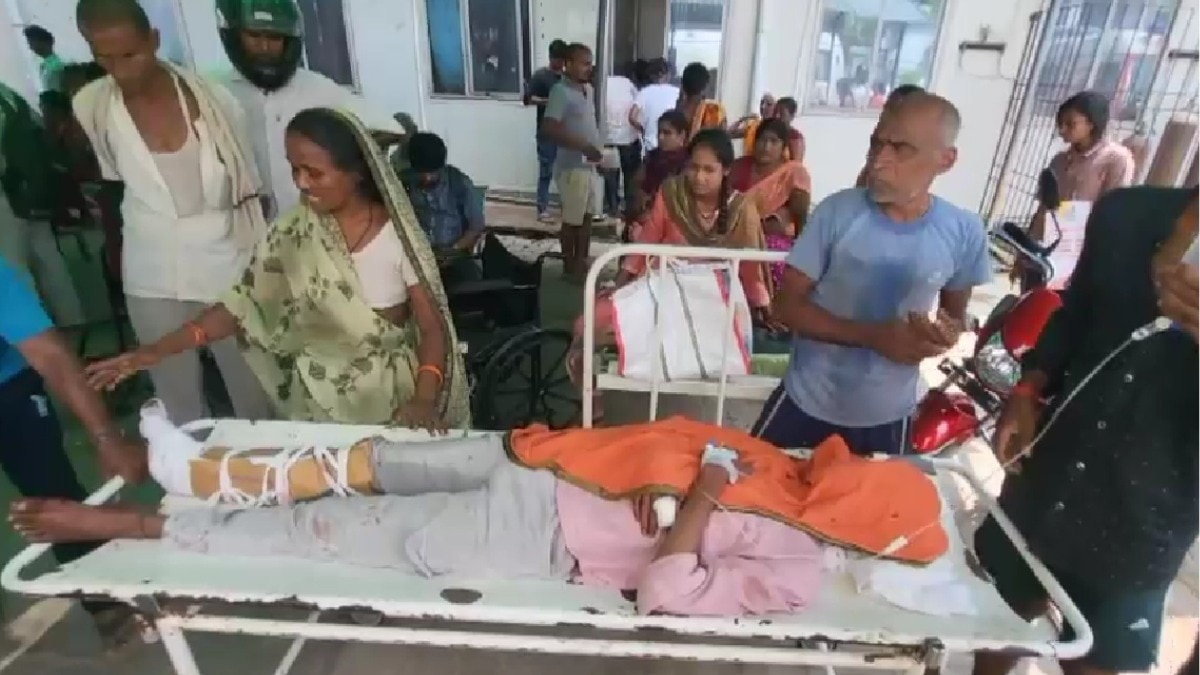
Through deeply personal anecdotes, Malik highlights the harrowing reality of living with undiagnosed conditions. From witnessing a friend bleed through a theatre practice to her own struggle with Polycystic Ovary Syndrome (PCOS) and autoimmune issues, the narrative underscores a terrifying pattern: women's pain is often minimized, ranked, or outright ignored by the very professionals meant to help them.
Why This Matters
BozokMedia analysis shows that the delay in diagnosing reproductive disorders like endometriosis leads to irreversible physiological damage. When medical professionals attribute biological symptoms to emotional instability—a legacy of the 'hysteria' label—it creates a barrier to life-saving interventions and accurate healthcare delivery.
A society that fails to listen to women's pain effectively silences their biological reality.
In the Indian context, the issue is compounded by deep-seated cultural taboos surrounding menstruation. The shame and ignorance surrounding reproductive health prevent many women from speaking up, leaving them to suffer in isolation. This intersection of gender bias and social stigma makes the cost of illness significantly higher for women's long-term physical and mental well-being.
On a more hopeful note, recent scientific advancements are beginning to bridge the gap. India's first genome-wide study on endometriosis is a monumental step toward addressing the historical underrepresentation of South Asian populations in genetic research. This could finally provide the data necessary to move beyond guesswork and toward precision medicine.
| Condition | Typical Diagnostic Delay | Common Societal Reaction |
|---|---|---|
| Endometriosis | Up to 12 Years | Dismissed as 'normal period pain' |
| PCOS | Several Years | Often minimized or ignored |
Frequently Asked Questions
1. Why is endometriosis diagnosis so difficult?
Symptoms often mimic common menstrual pain, and there is a lack of awareness among both patients and some medical practitioners.
2. How does social stigma affect women's health in India?
Taboos around menstruation prevent open dialogue, leading to delayed treatment and increased psychological distress.