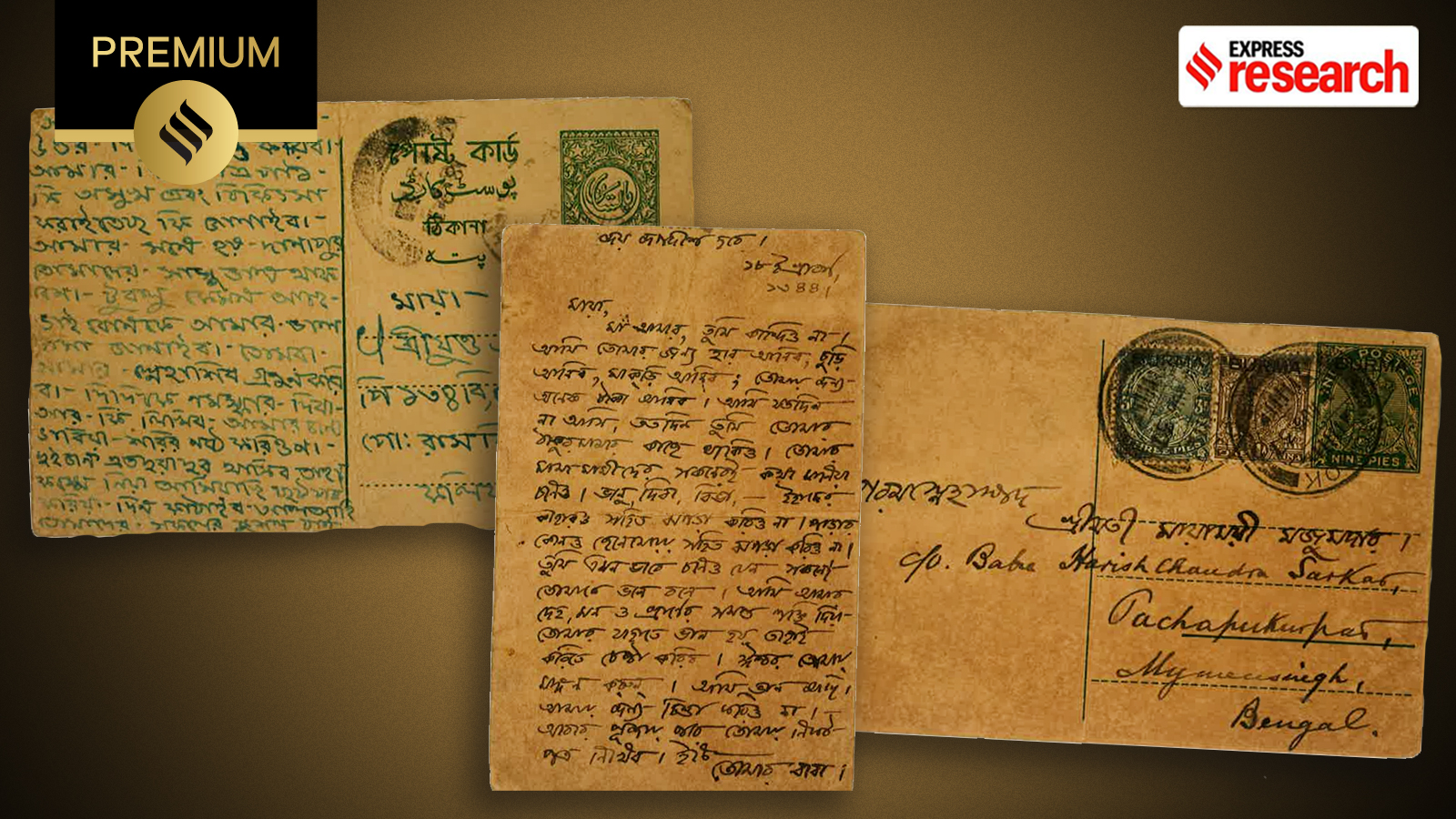
A bundle of family letters provides an intimate look into the domestic life of undivided Bengal, capturing the rhythms of existence before the borders of Partition reshaped reality.
Key Takeaways
- Family letters provide a window into the domestic rhythms of undivided Bengal.
- The documents reveal a world where borders, visas, and passports did not yet exist.
- Personal archives bridge the gap between grand political narratives and ordinary human experiences.
History is often taught through the lens of grand political maneuvers, wars, and treaties. However, the most profound truths often lie hidden within the faded ink of a yellowed letter. A collection of family letters, preserved for decades, has emerged to tell a story of undivided Bengal—not through the lens of political upheaval, but through the intimate rhythms of domestic life between Mymensingh, Dhaka, and Calcutta during the 1930s and 1940s.
These letters offer a glimpse into a time when the concept of a 'border' was non-existent for the people living there. Taraprasanna Majumdar, a Sanskrit scholar from Mymensingh, appears in these pages not just as a man of letters, but as a tender father. In a letter to his young daughter, Maya, he writes with heartbreaking simplicity: 'My dear Maya, don’t cry. I shall bring you a necklace and bangles.' This vulnerability highlights the human side of history that formal records often overlook.
Why This Matters
BozokMedia analysis shows that personal archives serve as a vital counter-narrative to official state histories. While political history documents the creation of boundaries, these letters document the seamless connectivity that existed before them. They remind us that Partition was not merely a geopolitical event, but a seismic shift that fractured deeply rooted social, familial, and cultural networks.
Personal letters transform history from a series of dates and maps into a living, breathing tapestry of human emotion.
The letters also preserve the cultural essence of the era through the lens of food and tradition. The handwritten recipes of the matriarch, Shailabala Devi, such as 'chaanar dalna' and 'aloo-jhinge posto,' act as culinary artifacts. In an era of increasing distance, these recipes and the food they represented were expressions of care and continuity for families navigating a changing world.
Did You Know?
Frequently Asked Questions
1. What period do these letters cover?
The letters primarily date back to the 1930s and 1940s, capturing the period just before the Partition of Bengal.
2. How do these letters differ from history textbooks?
Unlike textbooks that focus on political leaders and borders, these letters focus on the everyday lives, emotions, and domestic activities of ordinary citizens.