Explore the fascinating journey of India's National Flag at Vijayawada's Bapu Museum, tracing its evolution from Pingali Venkayya's original vision to the iconic tricolour we salute today.
Key Takeaways
- Pingali Venkayya designed the initial flag concept in 1921 at the request of Mahatma Gandhi.
- The original design utilized red and green to symbolize communal harmony.
- The flag underwent significant modifications, adding white and the Ashoka Chakra to represent modern India.
The grand stone structures of the Bapu Museum in Vijayawada stand as more than just colonial architecture; they are repositories of India's soul. Originally known as the Victoria Jubilee Museum, this site has transformed from a colonial monument into a sacred space where the history of the Indian freedom struggle breathes through every exhibit.
The Genesis of a National Symbol
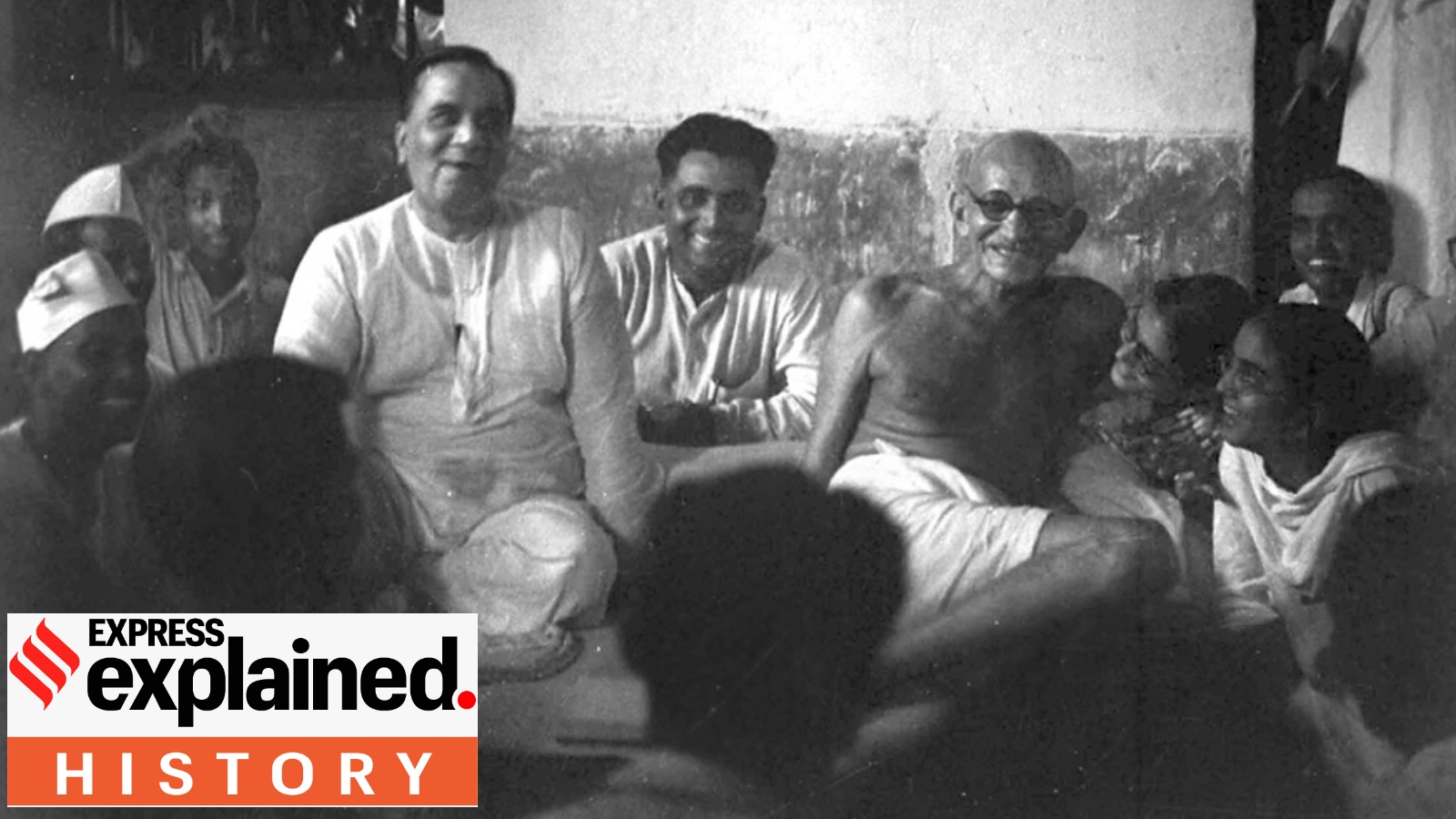
In 1921, during the height of the Non-Cooperation Movement, Vijayawada emerged as a pivotal hub for political activism. It was here that Mahatma Gandhi reached out to Pingali Venkayya, a dedicated freedom fighter and agriculturist, to conceptualize a design that could unify a diverse nation. Venkayya's mission was to create a visual identity for a country yearning for self-rule.
Evolutionary Comparison: Then vs. Now
The transition from the early design to the current National Flag reflects the growing complexity and inclusivity of the Indian identity. Understanding these changes provides insight into the nation's social fabric.
| Feature | Original Design (1921) | Current National Flag |
|---|---|---|
| Color Scheme | Red and Green | Saffron, White, and Green |
| Central Symbol | Charkha (Self-reliance) | Ashoka Chakra (Dynamic Progress) |
| Core Philosophy | Hindu-Muslim Unity | Unity in Diversity & Secularism |
BozokMedia analysis shows that the evolution of the flag was a deliberate act of nation-building. The red was transitioned to saffron, white was introduced to represent all religions, and the spinning wheel was replaced by the Ashoka Chakra, signifying a nation in constant, righteous motion.
The evolution of the flag is not merely a change in aesthetics, but a reflection of a nation's expanding consciousness.
Why This Matters
For the younger generation, visiting sites like the Bapu Museum is crucial. It bridges the gap between textbook history and the lived reality of our ancestors. The flag we hoist today is a culmination of intense intellectual labor and the collective will of millions of Indians.
Frequently Asked Questions
Question 1: Who was the designer of the Indian National Flag?
Answer: The flag was designed by the freedom fighter Pingali Venkayya.
Question 2: Why was the Charkha replaced by the Ashoka Chakra?
Answer: While the Charkha symbolized self-reliance, the Ashoka Chakra was adopted to represent constant dynamic progress and the wheel of law.