From the midnight celebrations in Delhi to the administrative chaos in Karachi, explore how different cities witnessed the dawn of independence and partition.
Key Takeaways
- Delhi experienced a mix of patriotic euphoria and the profound sorrow of Partition.
- Karachi transformed overnight from a sleepy port into a disorganized national capital.
- Calcutta saw a significant reduction in communal tensions following the arrival of independence.
On August 15, 1947, the Indian subcontinent underwent a seismic political shift. While the world watched the birth of two nations, the lived experiences in major urban centers like Delhi, Karachi, and Calcutta varied drastically, ranging from jubilant celebrations to intense anxiety and administrative chaos.
Delhi: A Confluence of Joy and Sorrow
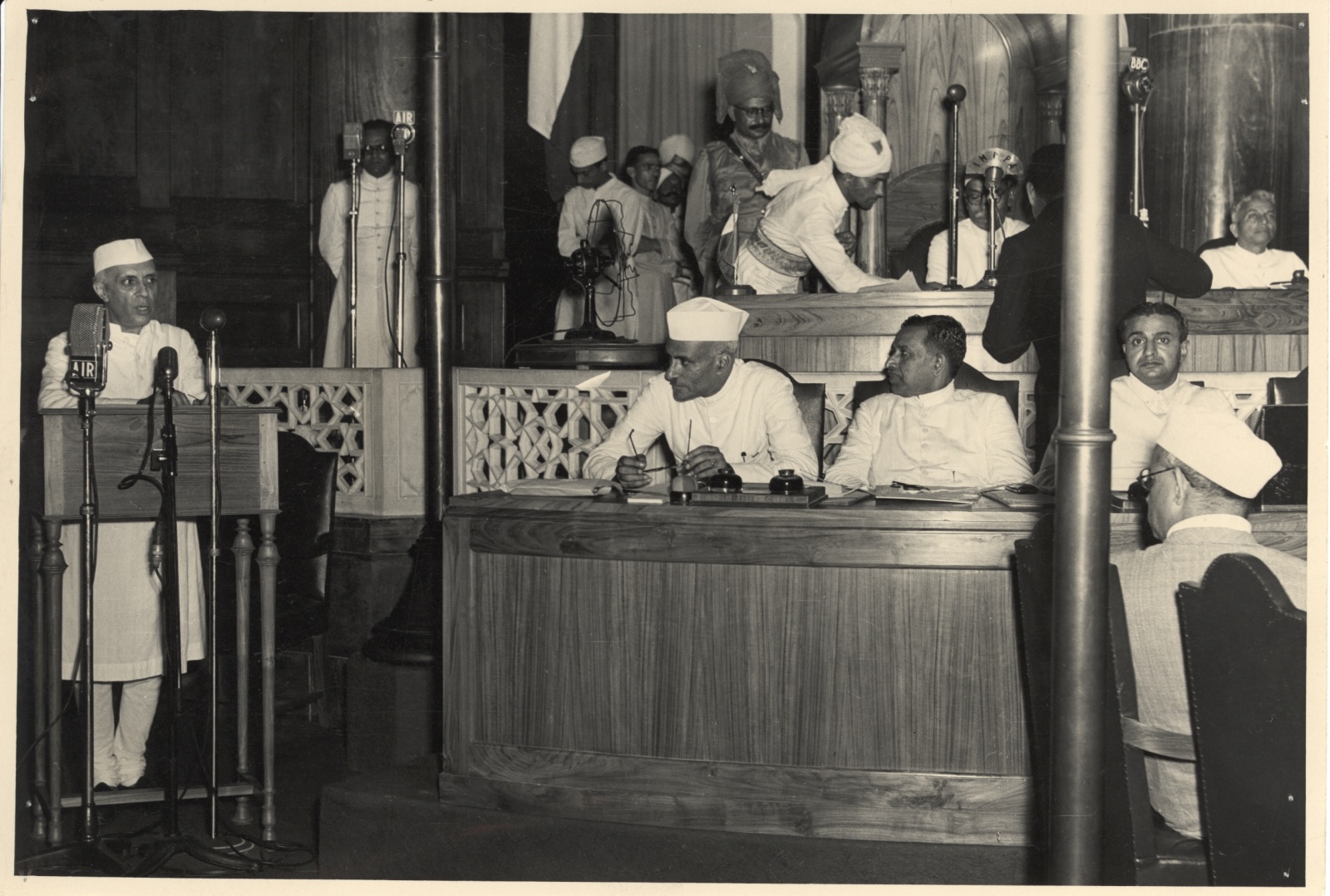
As Pandit Jawaharlal Nehru delivered his iconic 'Tryst with Destiny' speech, New Delhi was illuminated with saffron, white, and green lights. However, beneath the festivities in Connaught Circus and the Red Fort, a heavy cloud of grief loomed. For many, the independence of India was inseparable from the trauma of Partition, as families realized they were being severed from their ancestral homes.
Why This Matters
BozokMedia analysis shows that understanding the duality of 1947 is crucial to comprehending the modern identity of South Asia. The joy of sovereignty was inextricably linked to the tragedy of displacement.
The midnight hour was not just a beginning, but a painful transition that redefined the geography of human emotions.
Karachi: The Birth of a Chaotic Capital
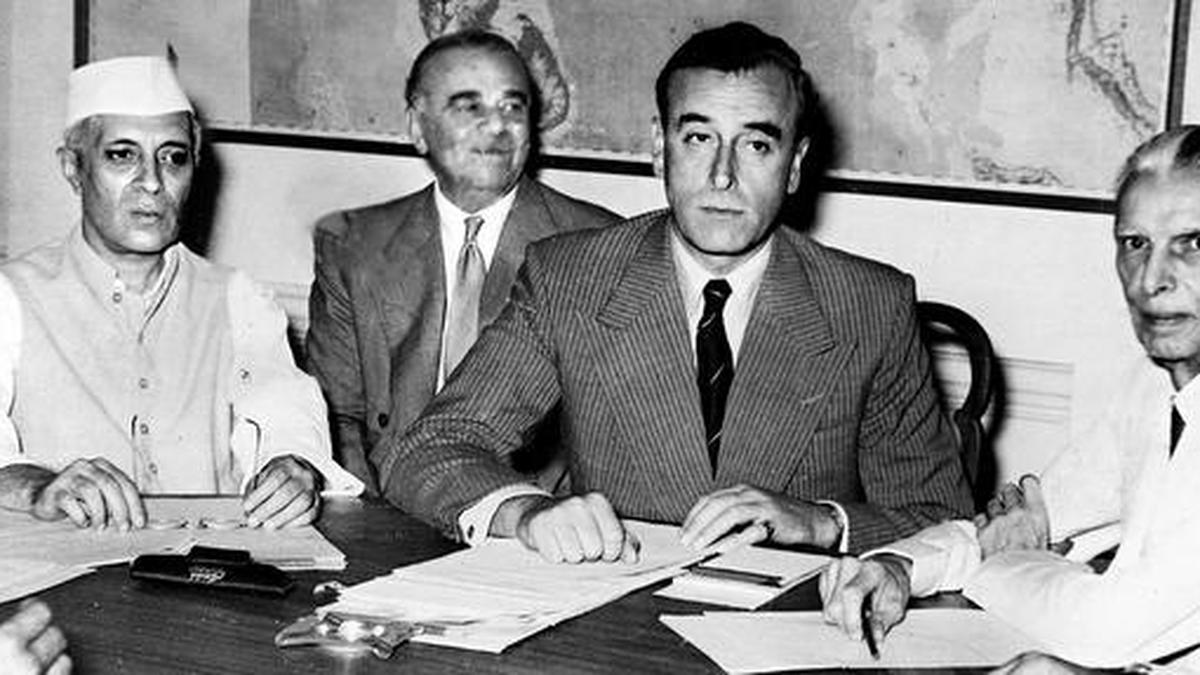
In Pakistan, the transition was equally jarring. Karachi, once a quiet port town, suddenly found itself the capital of a new nation. While Mohammad Ali Jinnah celebrated the realization of his vision, the ground reality was one of utter chaos. The new government lacked basic infrastructure, including office furniture, stationery, and established ministries, forcing a nation to build itself even as it celebrated.
Calcutta: From Violence to Calm
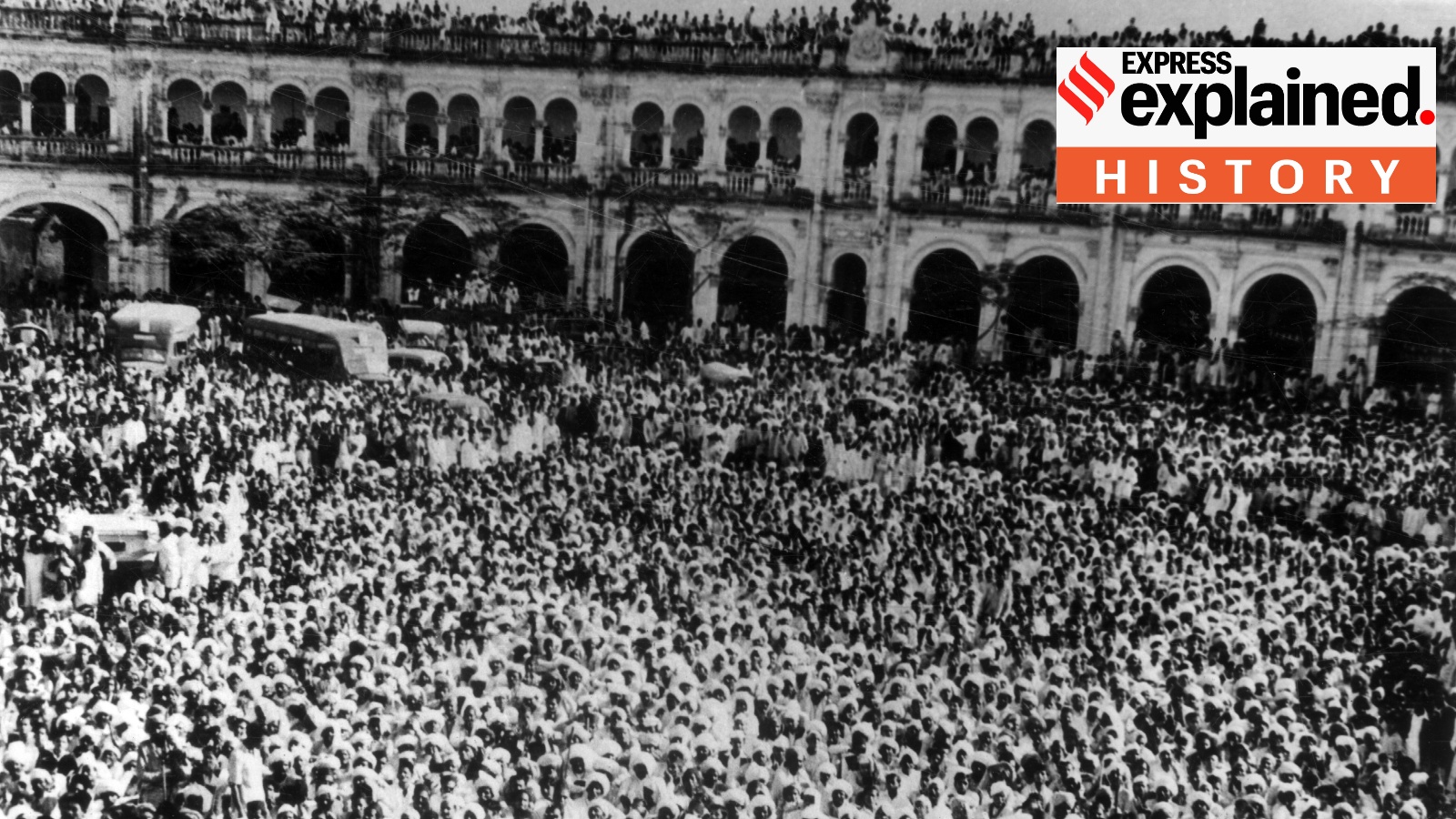
Calcutta presented perhaps the most dramatic shift. After being ravaged by communal violence since 1946, the arrival of independence brought an unexpected easing of tensions. The city transitioned from a state of high alert to a festive atmosphere where 'Jai Hind' slogans echoed through the streets.
Frequently Asked Questions
Question 1: Was the atmosphere in Delhi purely celebratory?
Answer: No, while there were massive celebrations, there was also significant grief due to the Partition and displacement.
Question 2: How prepared was Karachi for its new role?
Answer: Karachi was largely unprepared, facing massive shortages of administrative resources and infrastructure.