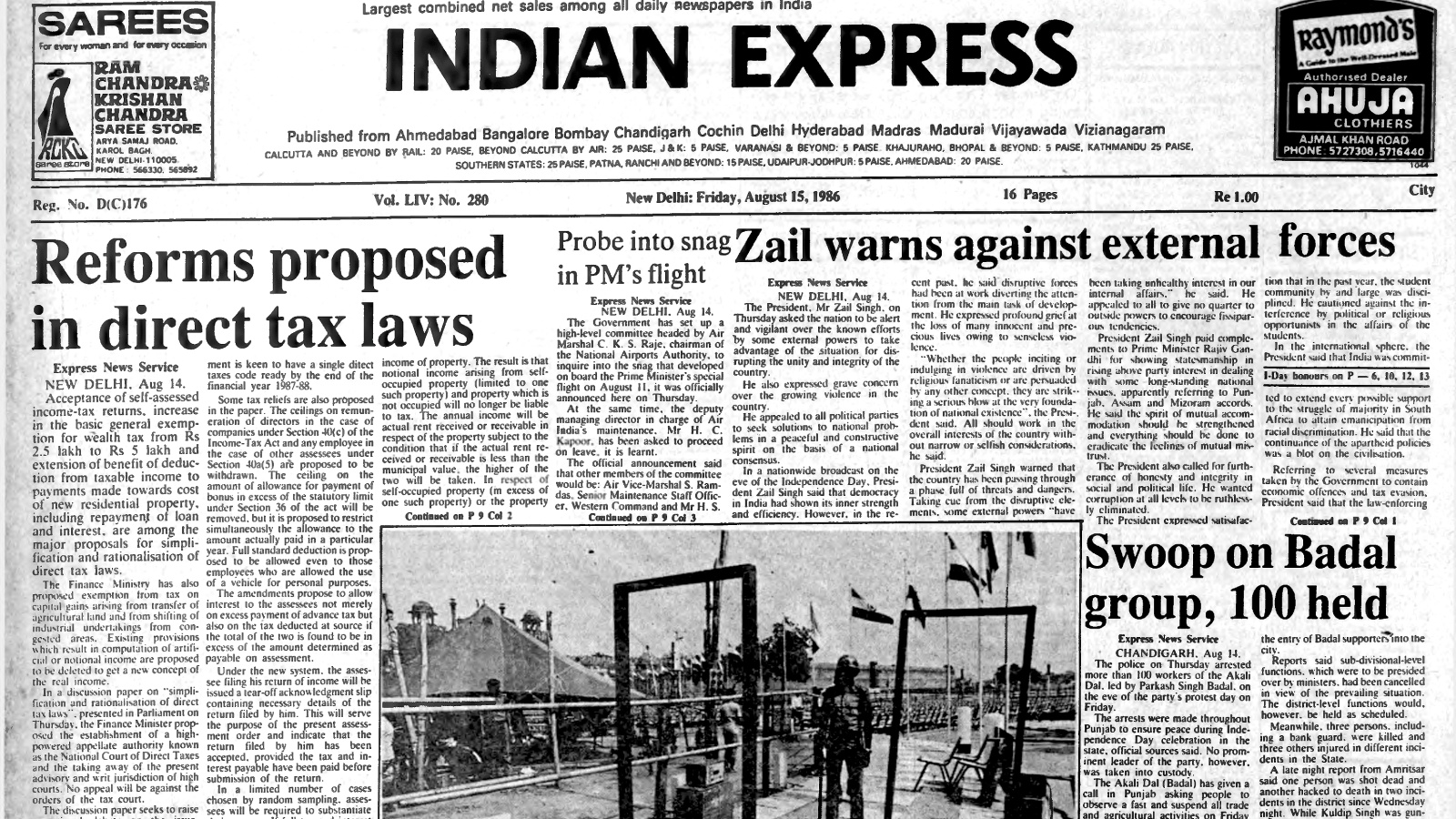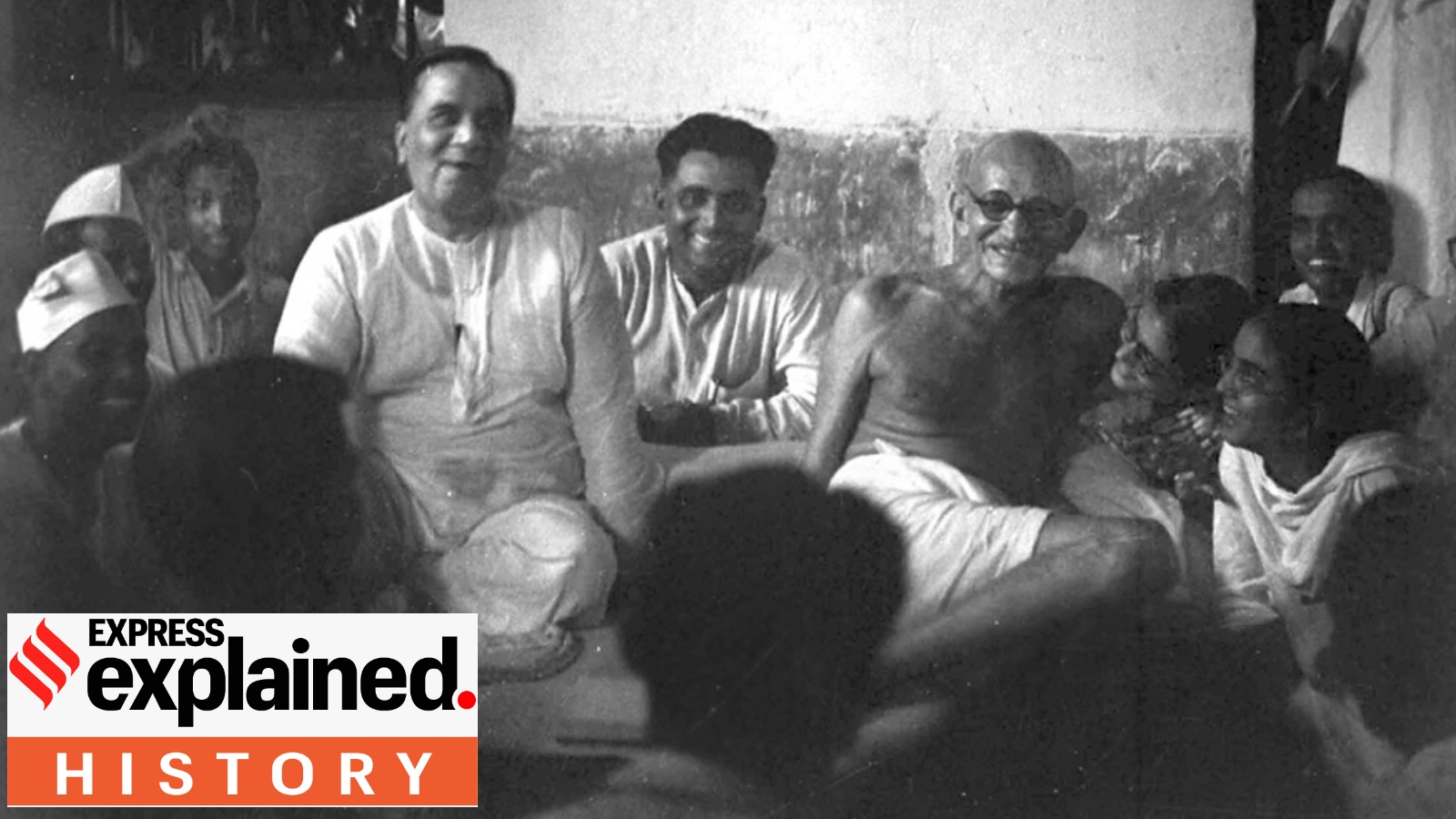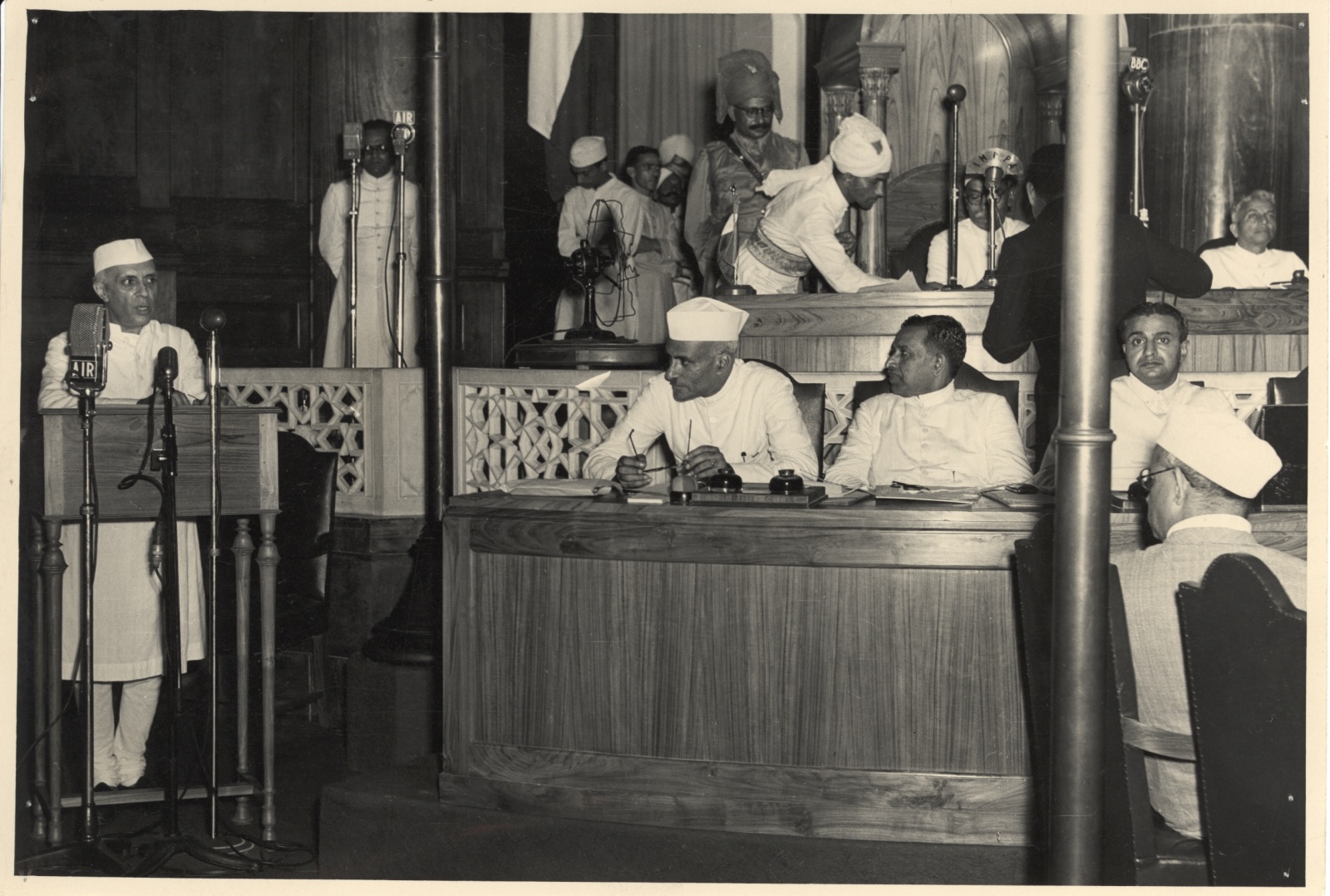
India's independence wasn't just a political milestone; it was a celestial compromise. Discover why astrologers feared the date chosen by Lord Mountbatten.
Key Takeaways
- Lord Mountbatten selected August 15 for its symbolic link to Japan's surrender.
- Astrologers warned that the planetary alignment could lead to famine and massacres.
- A midnight compromise was struck to balance political timelines with celestial concerns.
The dawn of India's freedom is often celebrated as a triumph of political willpower, but behind the scenes, a battle of celestial alignments was brewing. When Lord Louis Mountbatten announced August 15, 1947, as the date for India's independence, it sent shockwaves through the astrological community of the subcontinent.
Mountbatten’s Choice vs. Celestial Warnings
For Mountbatten, the date held deep personal and symbolic significance. As noted in Freedom at Midnight, it marked the second anniversary of Japan's surrender—a moment he viewed as the birth of a new democratic Asia. However, for the astrologers in Varanasi, Calcutta, and South India, the date was anything but celebratory.
The primary objection was the day itself; August 15, 1947, fell on a Friday, which many traditional scholars considered inauspicious for the birth of a nation. Furthermore, the astrological charts predicted a period of intense instability.
Why This Matters
BozokMedia analysis shows that the transition of power was not merely a legal transfer but a delicate psychological negotiation. The decision to move the ceremony to midnight was a masterstroke of political diplomacy, reconciling modern governance with deep-seated cultural beliefs.
"If flood, drought, famine and massacres follow, it will be because free India was born on a day cursed by the stars."
Astrologers pointed to the influence of Saturn and Rahu, predicting that the zodiacal sign of Capricorn would foster hostility and division. To mitigate these perceived cosmic risks, a compromise was reached: the date would remain August 15, but the official transfer of power would occur at the stroke of midnight, bridging the gap between August 14 and 15.
Historical Background
Originally, the British had set a deadline of June 1948 for the transfer of power. Mountbatten’s decision to accelerate this timeline created an urgent atmosphere, leaving little room for traditional deliberations but forcing a unique solution to the astrological dilemma.
Frequently Asked Questions
1. Why did Mountbatten pick August 15?
He chose it to commemorate the second anniversary of Japan's surrender in WWII.
2. What was the astrological concern?
Astrologers feared that the influence of Saturn and Rahu would bring disaster, such as famine or mass violence, to the newly born nation.