Extreme heatwaves and chronic electricity outages have triggered violent protests across Libya. Demonstrators are demanding an end to systemic corruption and the immediate overhaul of the country's failing energy infrastructure.
Key Takeaways
- Libya is facing severe power outages during a heatwave with temperatures exceeding 48°C.
- Protesters have blockaded roads and government buildings in Tripoli.
- Disruptions at the Mellitah oil and gas complex have impacted gas supplies for power generation.
- Political fragmentation since 2014 has severely hindered infrastructure development.
In Libya, night no longer begins with the sunset, but with the relentless hum of private generators. As entire neighborhoods are plunged into darkness, the country is grappling with a massive energy crisis. Amidst a blistering heatwave where temperatures have soared past 48 degrees Celsius, chronic power cuts have ignited a wave of civil disobedience across Tripoli and surrounding regions.
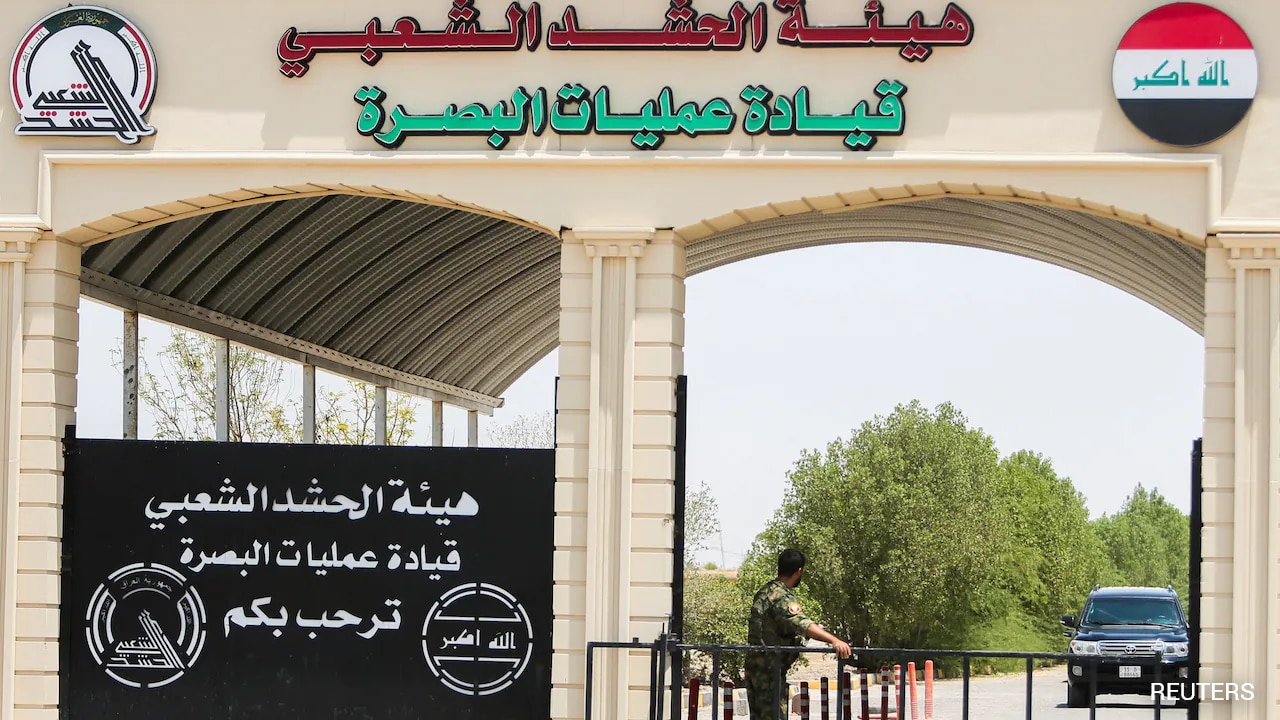
Frustrated by daily outages lasting up to 10 hours, primarily young protesters have taken to the streets. They have blocked major arteries, burned tires, and barricaded public buildings, including the Ministry of Foreign Affairs. The Souq Al-Jumaa Movement is leading the charge, demanding accountability from the Government of National Unity (GNU) regarding the deterioration of basic services.
Why This Matters
BozokMedia analysis shows that the electricity crisis is a direct symptom of Libya's broader systemic collapse. The inability to provide consistent power is not just a technical failure but a political one, exacerbated by the country's deep-seated division between eastern and western administrations. This instability creates a feedback loop that cripples both the economy and public trust.
Libyans are fed up with repeated promises; stabilizing the grid requires modernizing transmission networks and adopting a long-term vision for renewable energy.
The situation escalated significantly when protesters stormed the Mellitah oil and gas complex. This forced the National Oil Corporation (NOC) to halt operations at the El Feel oilfield, severely constraining the gas supplies necessary for electricity generation and knocking out multiple power units.
Historical Background
Libya has been fractured since 2014, split between the GNU in the west and a rival administration in the east loyal to Khalifa Haftar. This political schism has prevented the completion of vital strategic projects, such as the West Tripoli steam power station, which remains unfinished decades after its inception.
Frequently Asked Questions
1. Why is the electricity supply in Libya so unstable?
Answer: The instability is caused by a combination of unfinished strategic power projects, aging infrastructure, and political fragmentation that prevents unified management.
2. How have the protests affected the oil industry?
Answer: Protests at key facilities like the Mellitah complex have forced temporary shutdowns of oil and gas fields, directly impacting the energy needed to generate electricity.