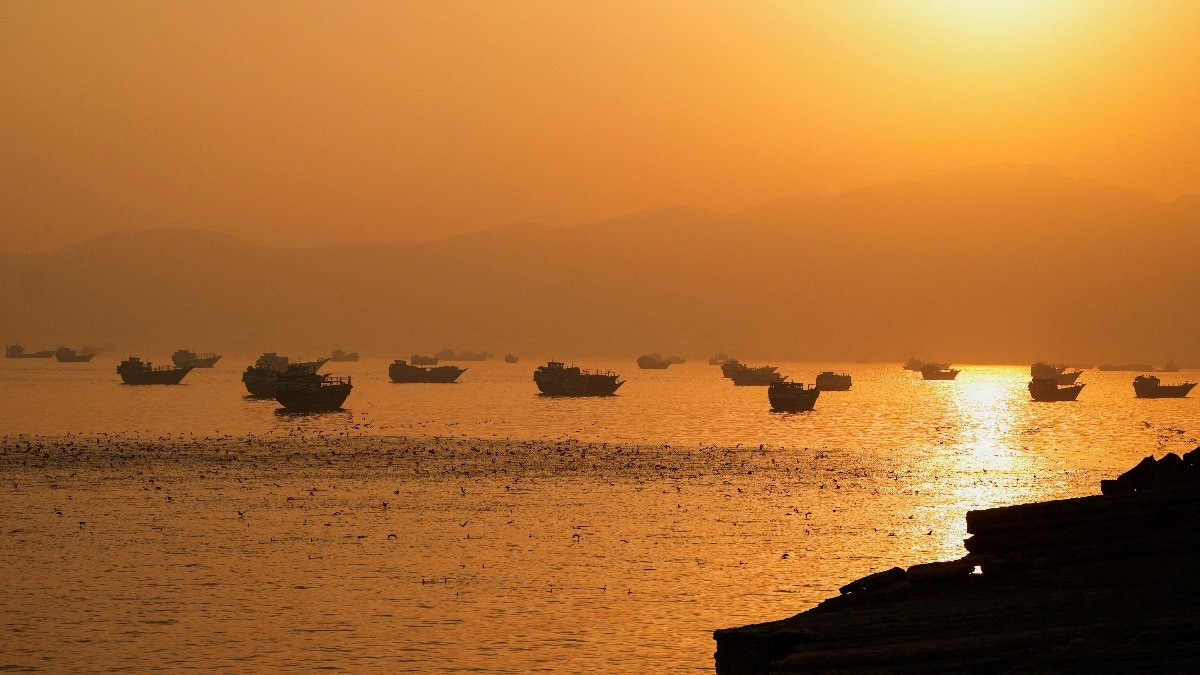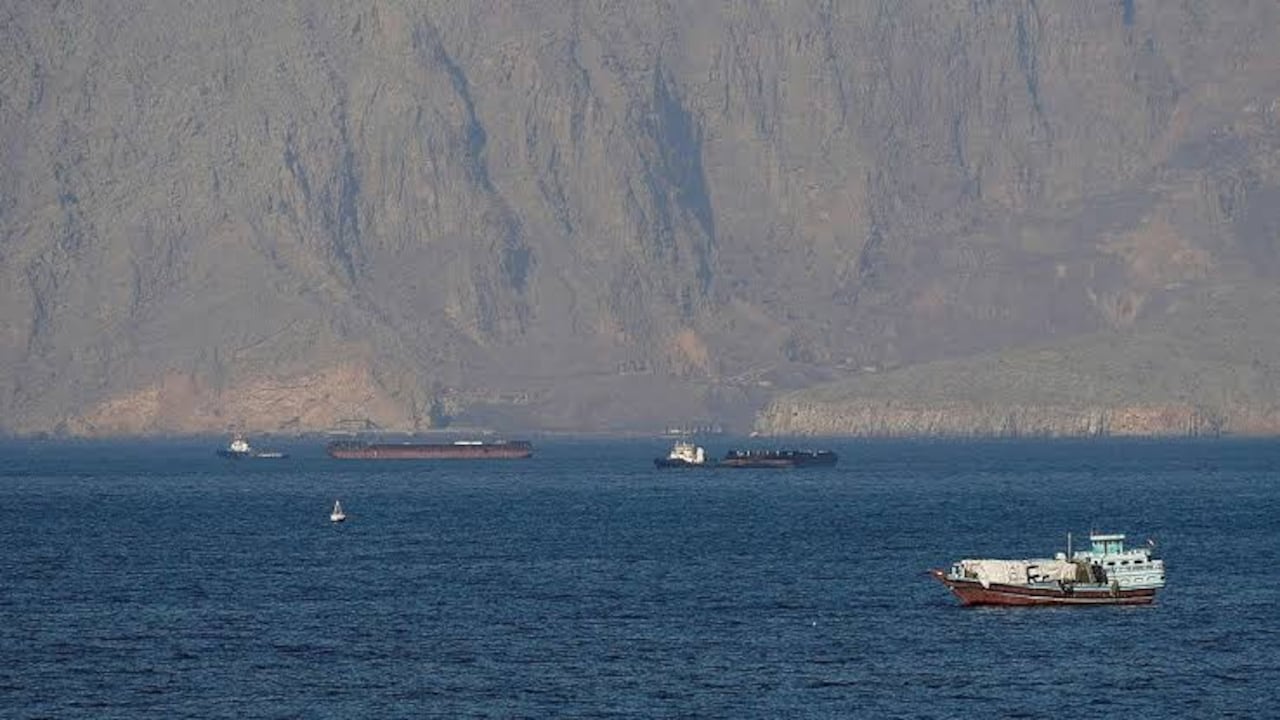
Iran has announced a strategic agreement with Oman regarding a new route through the Strait of Hormuz. This move comes at a critical time for global energy stability and maritime security.
Key Takeaways
- Iran and Oman have agreed upon a new maritime route in the Strait of Hormuz.
- The Strait is a vital artery for nearly 20% of global oil and LNG exports.
- The agreement aims to stabilize trade amid ongoing regional tensions.
Iran has announced that it has reached an agreement with Oman to establish a new route within the Strait of Hormuz. This strategic maneuver is designed to navigate the complexities of global energy trade in a volatile geopolitical landscape.
Geopolitical Significance of the Strait
The Strait of Hormuz remains one of the world's most critical maritime chokepoints. Prior to the recent escalations, the waterway facilitated approximately one-fifth of the world's total oil and Liquefied Natural Gas (LNG) exports. Control over this passage directly dictates the pulse of the global energy market.
Why This Matters
BozokMedia analysis shows that this agreement is not merely a logistical update but a significant geopolitical shift. By securing new maritime protocols with Oman, Iran is attempting to solidify its de facto control over the waterway despite international pressures and ongoing conflict dynamics.
Control over the Strait of Hormuz is synonymous with control over the world's energy lifeline.
Since the escalation of tensions in late February, the de facto control of this waterway has become a focal point for global powers. The involvement of Oman adds a layer of regional diplomacy to an otherwise highly contested corridor.
Frequently Asked Questions
1. How much of the world's oil passes through Hormuz?
Roughly 20% of the world's oil and LNG exports pass through this strategic waterway.
2. Why is Oman involved in this agreement?
Oman holds a critical geographic position and acts as a key mediator and maritime partner in the region.