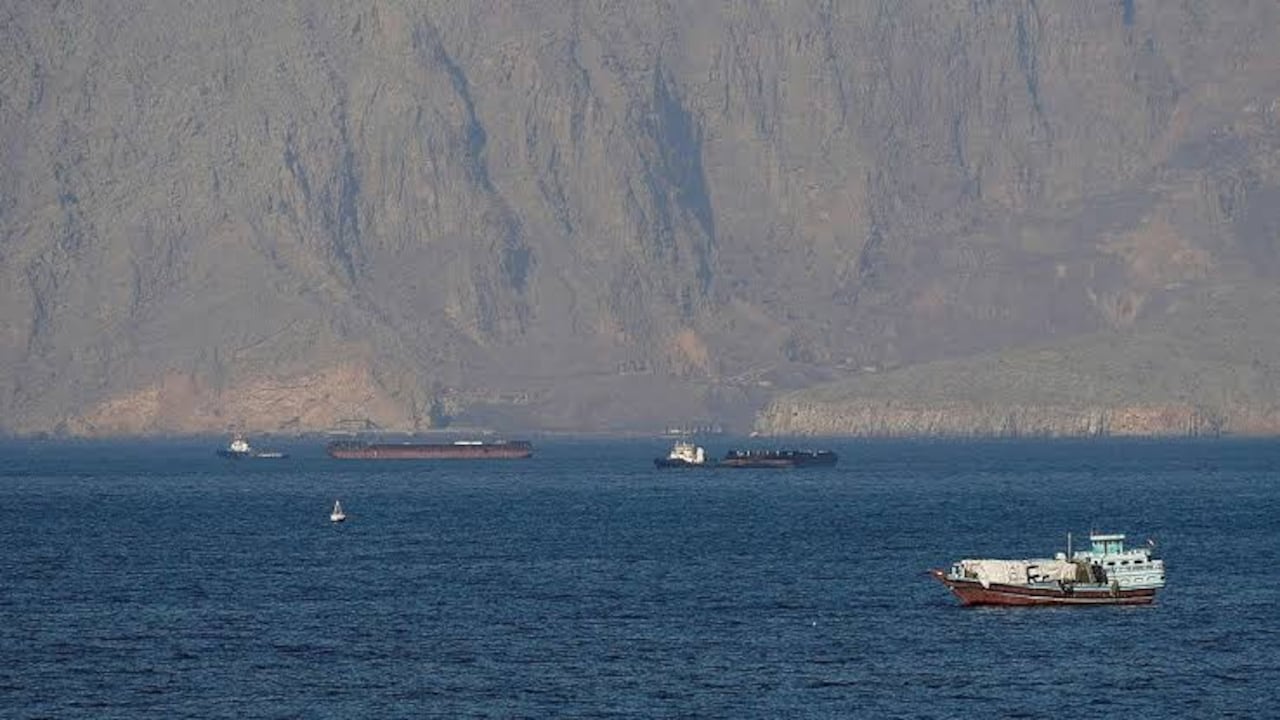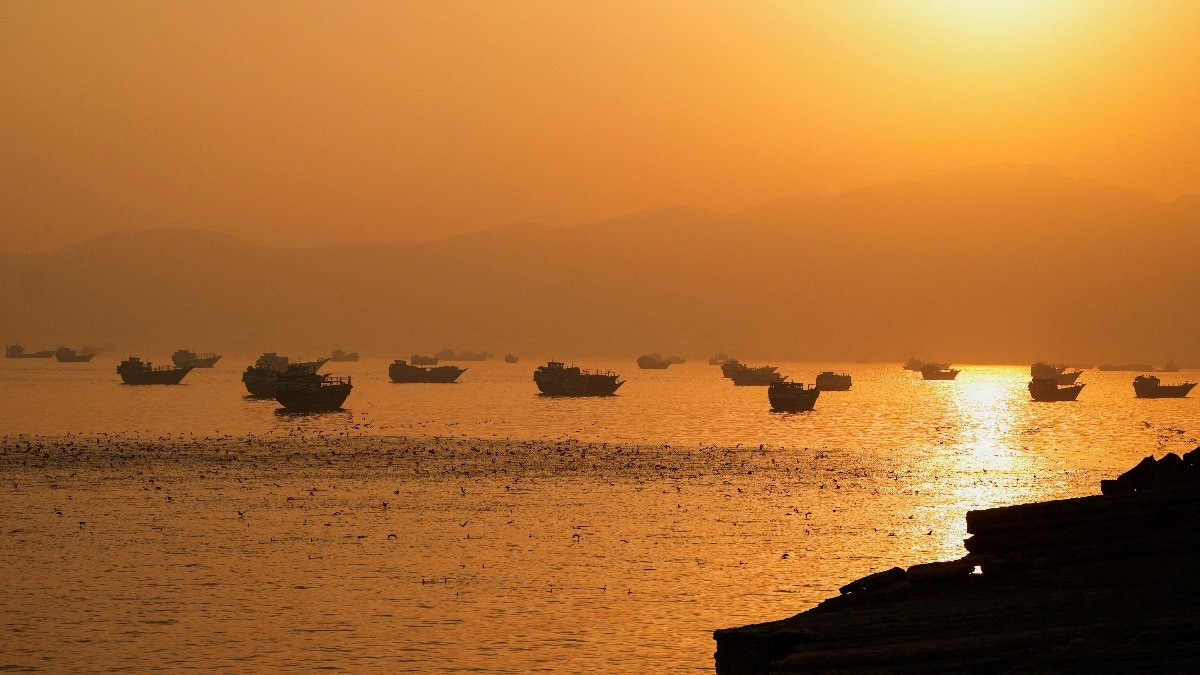
A proposed shipping agreement between Iran and Oman aims to redefine transit through the Strait of Hormuz, potentially placing global oil tankers under Iranian oversight.
Key Takeaways
- Iran and Oman have agreed on geographical coordinates for a new shipping route through the Strait of Hormuz.
- The proposed route would force most commercial vessels to pass through Iranian territorial waters.
- This move could grant Tehran significant strategic leverage over global energy markets.
- Disputes remain regarding transit fees and ship inspection protocols.
The Strait of Hormuz, arguably the world's most critical maritime chokepoint, is facing a seismic shift in its operational dynamics. Following recent discussions, Iran and Oman have reached an understanding regarding a new shipping route. This arrangement, if finalized, could grant Tehran unprecedented oversight over the inbound maritime traffic entering the Persian Gulf.
The Proposed Maritime Model
According to Iranian Foreign Ministry spokesperson Esmaeil Baghaei, Tehran and Muscat have reached a fundamental understanding on the geographical coordinates of a new corridor. Under this 'new model,' the majority of the designated shipping route would transit through Iranian territorial waters. This represents a departure from the current system, where vessels navigate internationally recognized lanes without seeking permission from individual nations.
Why This Matters: BozokMedia Analysis
BozokMedia analysis shows that the implications of this deal are nothing short of global. With nearly one-fifth of the world's oil supply passing through this narrow passage, any shift in control translates directly into geopolitical leverage. If Iran gains the authority to oversee or charge for transit, it will possess a powerful tool to influence global energy markets and challenge Western maritime dominance in the region.
Control over the Strait of Hormuz is equivalent to holding the pulse of the global energy economy.
However, the path to a final agreement is fraught with friction. A major sticking point is the economic aspect: Iran is reportedly seeking transit fees between 5% and 7% of cargo value, whereas Oman is discussing a much lower 3%. Furthermore, the United States continues to advocate for free passage without transit fees to ensure global energy stability.
Historical Background
For decades, the Strait of Hormuz has functioned as a vital artery for global trade, allowing commercial ships to pass freely. However, escalating tensions between the U.S. and Iran have increasingly turned this waterway into a theater of strategic competition, moving it away from purely commercial usage toward a high-stakes geopolitical tool.
Frequently Asked Questions
1. How will this deal affect global oil prices?
Increased Iranian oversight could lead to higher insurance premiums for tankers and potential supply disruptions, likely driving up oil prices.
2. What is the main obstacle to finalizing the deal?
The primary obstacles include disagreements over inspection authorities, transit fee percentages, and the role of U.S. influence in the region.