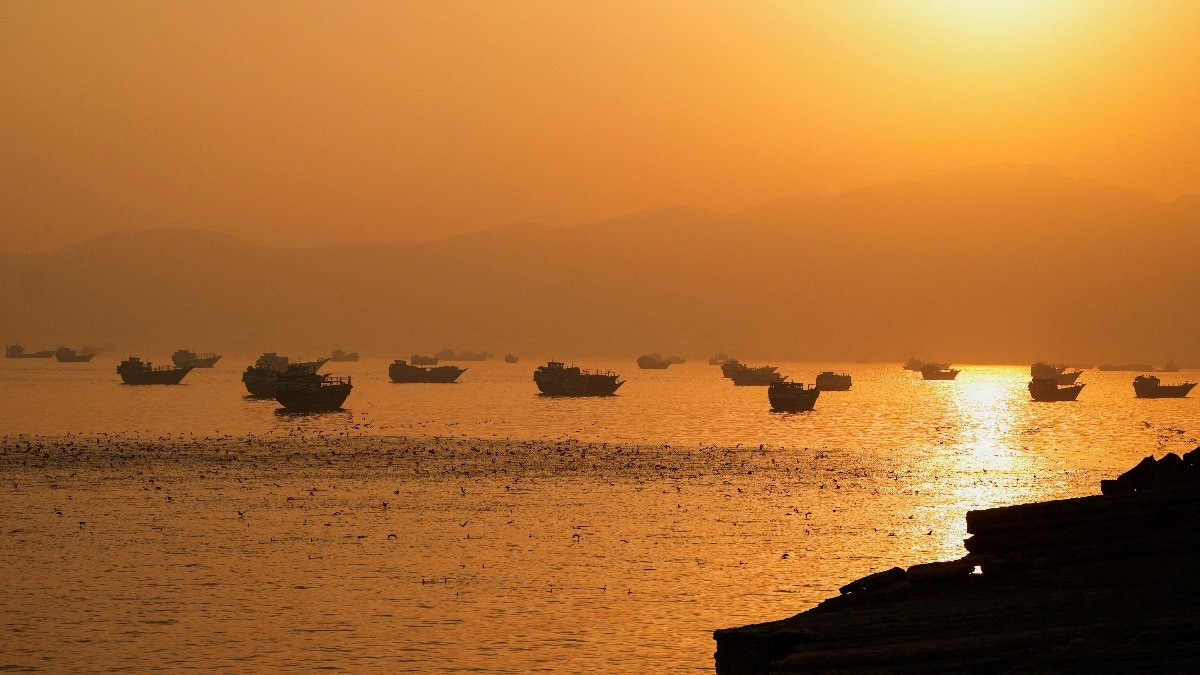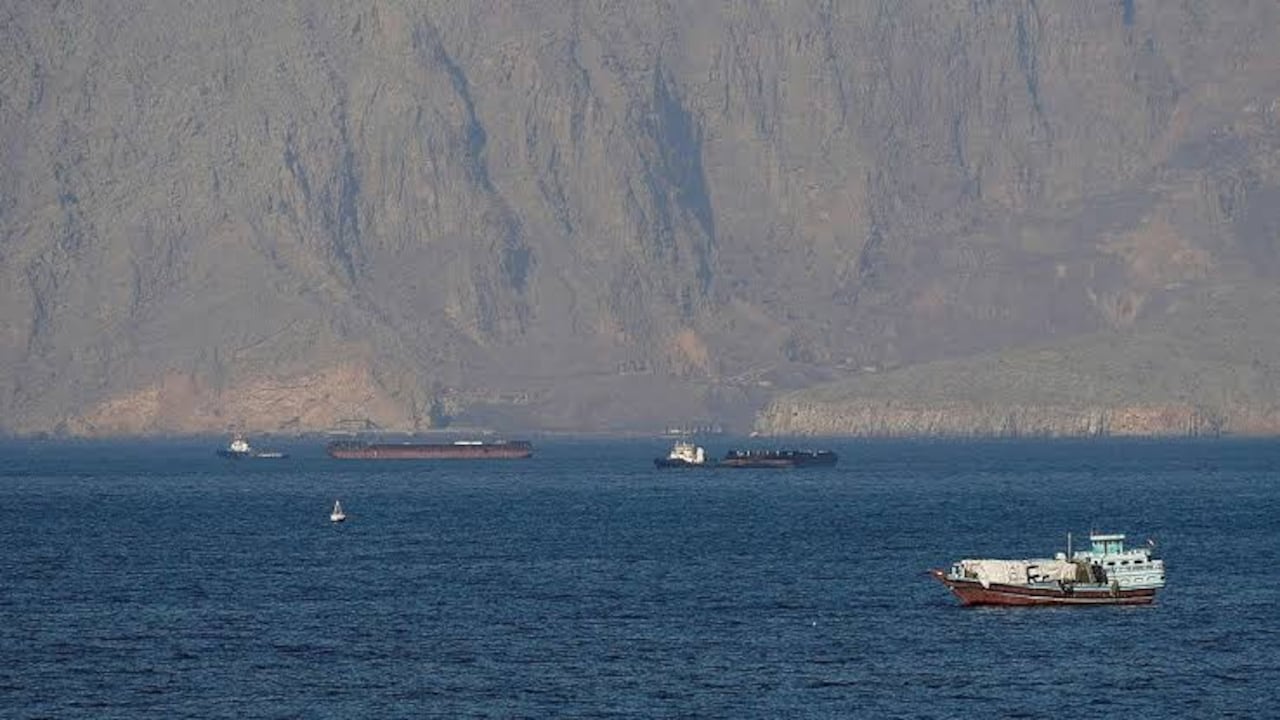
US President Donald Trump has suggested that a deal to reopen the strategic Strait of Hormuz could be announced within days, potentially stabilizing global oil markets.
Key Takeaways
- President Trump stated a deal to reopen the Strait of Hormuz could arrive 'tomorrow or the next day'.
- Iran and Oman have reportedly finalized a draft agreement for the waterway.
- The reopening could stabilize global oil prices and revive US-Iran nuclear negotiations.
- The Strait is vital, handling one-fifth of the world's oil and natural gas.
US President Donald Trump has indicated that a landmark agreement to reopen the Strait of Hormuz could be announced as early as this week. Speaking to reporters in California, Trump noted that significant progress has been made between Iran and Oman to finalize a draft that would allow maritime traffic to resume in the critical waterway. This development comes as a potential relief to the global economy, which has been strained by rising energy costs due to the conflict.
The Strait has been a focal point of tension since the conflict began in February, with Iranian attacks on shipping having brought international traffic to a virtual standstill. The Trump administration has maintained a firm stance, ruling out any arrangement that would grant Iran unilateral control over the international waterway. The closure has had a ripple effect, pushing up fuel prices and the cost of essential goods worldwide.
Why This Matters
BozokMedia analysis shows that the reopening of the Strait of Hormuz is not merely a regional diplomatic victory but a cornerstone for global economic stability. With one-fifth of the world's oil and natural gas passing through this narrow passage, any disruption causes massive volatility in energy markets. A successful deal could lower Brent crude prices and provide a diplomatic window to address the long-standing nuclear standoff between Washington and Tehran.
The reopening of the Strait of Hormuz represents a critical pivot point for global energy security and Middle Eastern geopolitics.
According to regional officials, the proposed arrangement involves ships entering the Persian Gulf through an Iranian-controlled route and departing via an Omani-controlled route. However, friction remains regarding 'service fees'—the US remains strongly opposed to any plan where Iran collects fees for maritime security or environmental protection.
Historical Background
The Strait of Hormuz is arguably the world's most important oil transit chokepoint. Historically, it has been an open international waterway, but recent escalations in regional warfare have weaponized its geography, turning a vital trade artery into a zone of high-stakes military confrontation.
Frequently Asked Questions
1. How does the Strait of Hormuz affect oil prices?
Because a massive portion of the world's oil supply passes through this strait, any closure or threat of closure causes immediate spikes in global oil prices.
2. What is the role of Oman in this deal?
Oman is acting as a key mediator and would provide a controlled route for vessels exiting the Persian Gulf, helping to balance Iranian influence.