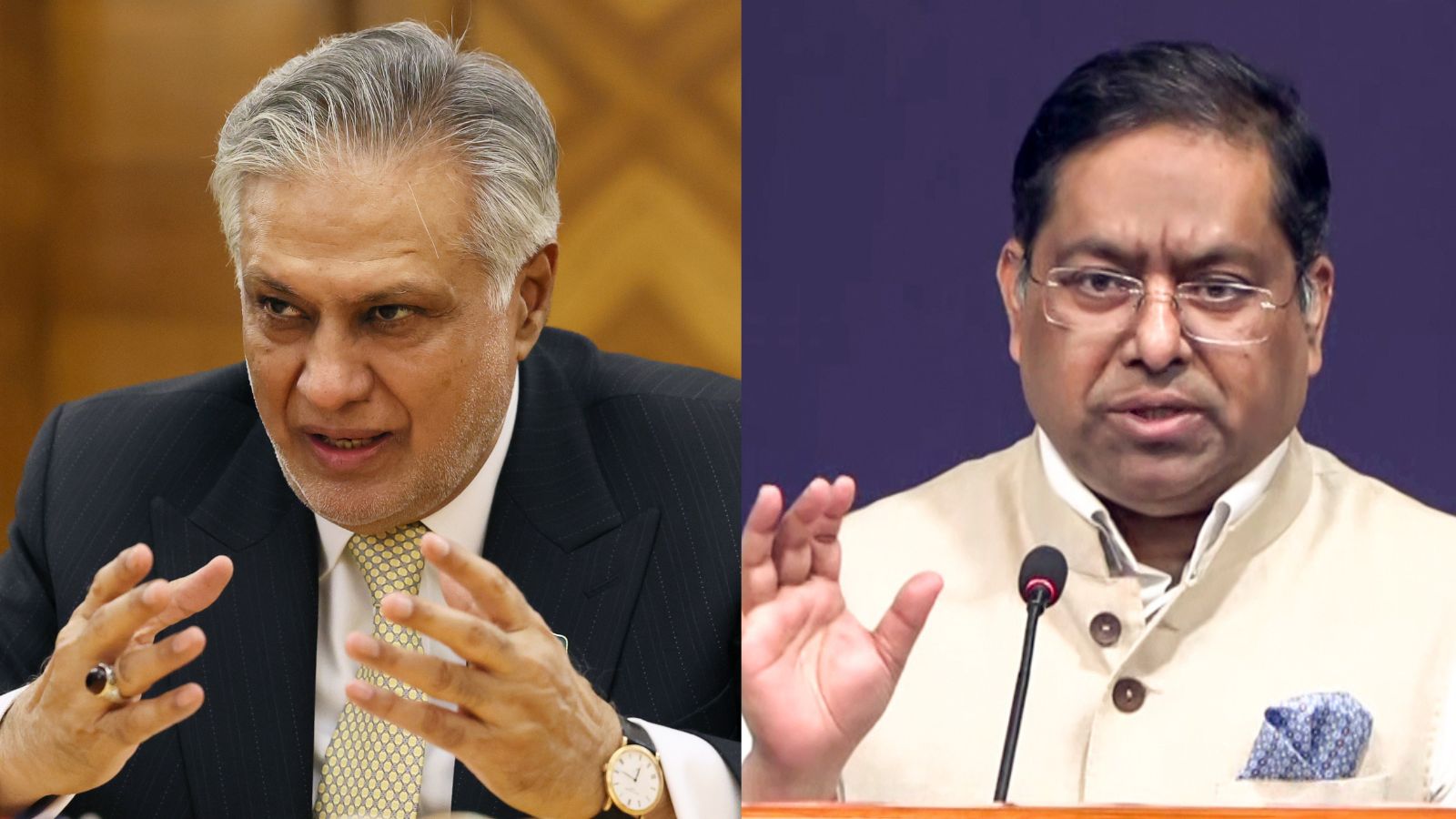
The Ministry of External Affairs has dismissed criticisms from a U.S. lawmaker concerning India's foreign funding regulations, asserting that legislative decisions are the sole prerogative of the Indian Parliament.
Key Takeaways
- MEA rejected U.S. interference regarding FCRA regulations.
- Spokesperson Randhir Jaiswal stated funding regulation is an internal Indian affair.
- U.S. Congressman Riley Moore raised concerns over potential state control of churches.
- The 2026 Amendment Bill aims to establish a Designated Authority for oversight.
New Delhi: The Ministry of External Affairs (MEA) on Friday dismissed sharp criticism from a U.S. lawmaker regarding India’s proposed amendments to the Foreign Contribution (Regulation) Act (FCRA). Asserting national sovereignty, the Ministry stated that legislative matters are strictly internal affairs governed by the Parliament of India.
MEA Spokesperson Randhir Jaiswal addressed the media, responding to concerns raised by U.S. Republican Congressman Riley Moore. Jaiswal noted, "I would also like to point out that there are several nations, including the United States, which regulate the flow of foreign funds," effectively countering the implication that India's move is an outlier.
Why This Matters
BozokMedia analysis shows that this diplomatic friction highlights the growing tension between international oversight expectations and national regulatory sovereignty. As India tightens its grip on foreign capital flows to ensure national security, it faces scrutiny from Western legislators who view these moves through the lens of religious and civil liberties.
The regulation of foreign inflows is a standard sovereign practice, and India's stance reinforces its commitment to legislative independence.
The controversy stems from Congressman Moore's assertion on X (formerly Twitter) that the FCRA Amendment Bill, 2026 could enable government takeovers of religious charities. However, the proposed legislation explicitly mandates that if a foreign-funded asset includes a place of worship, the Designated Authority must maintain its religious character intact.
Historical Context
The FCRA framework is vital for monitoring overseas funding to NGOs, academic institutions, and religious trusts. Between 2019 and 2022, over 13,520 entities received a staggering ₹55,741 crore in foreign remittances. The government's recent tightening of these rules aims to prevent the misuse of funds for activities detrimental to national interests.
Frequently Asked Questions
1. What is the primary goal of the FCRA Amendment Bill 2026?
It seeks to create a Designated Authority to oversee assets and contributions in cases where an entity's registration is cancelled or lapsed.
2. Does the bill threaten religious institutions?
The bill contains specific clauses to ensure that the religious character of places of worship remains intact during asset oversight.