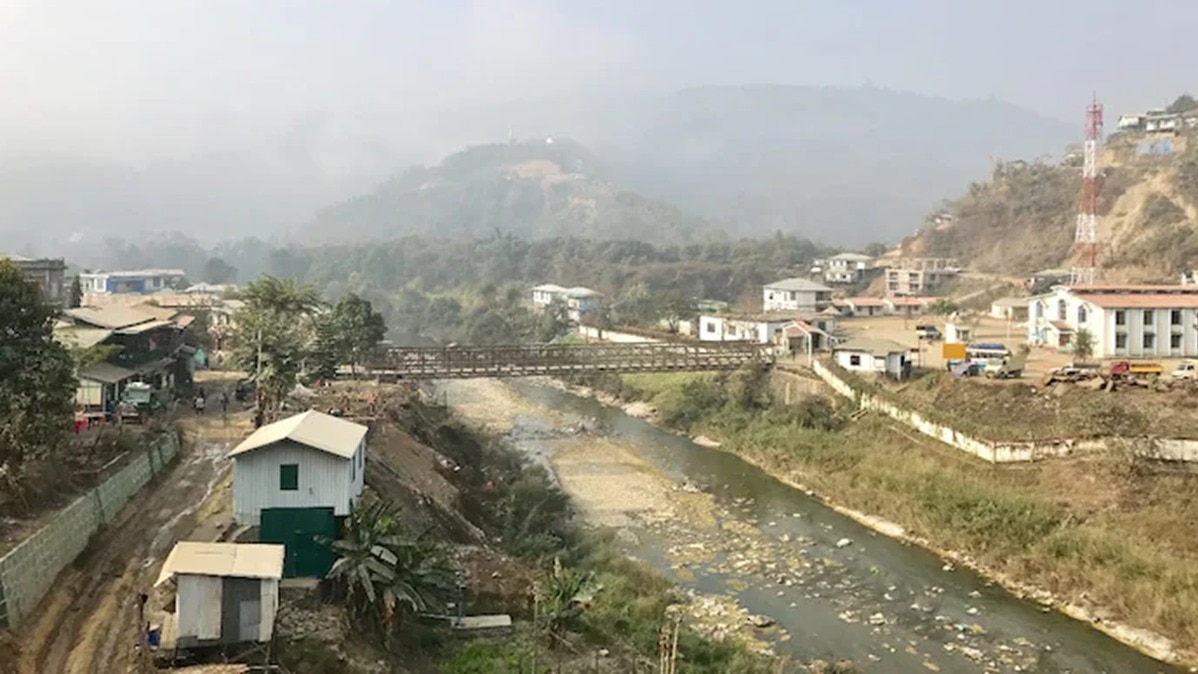
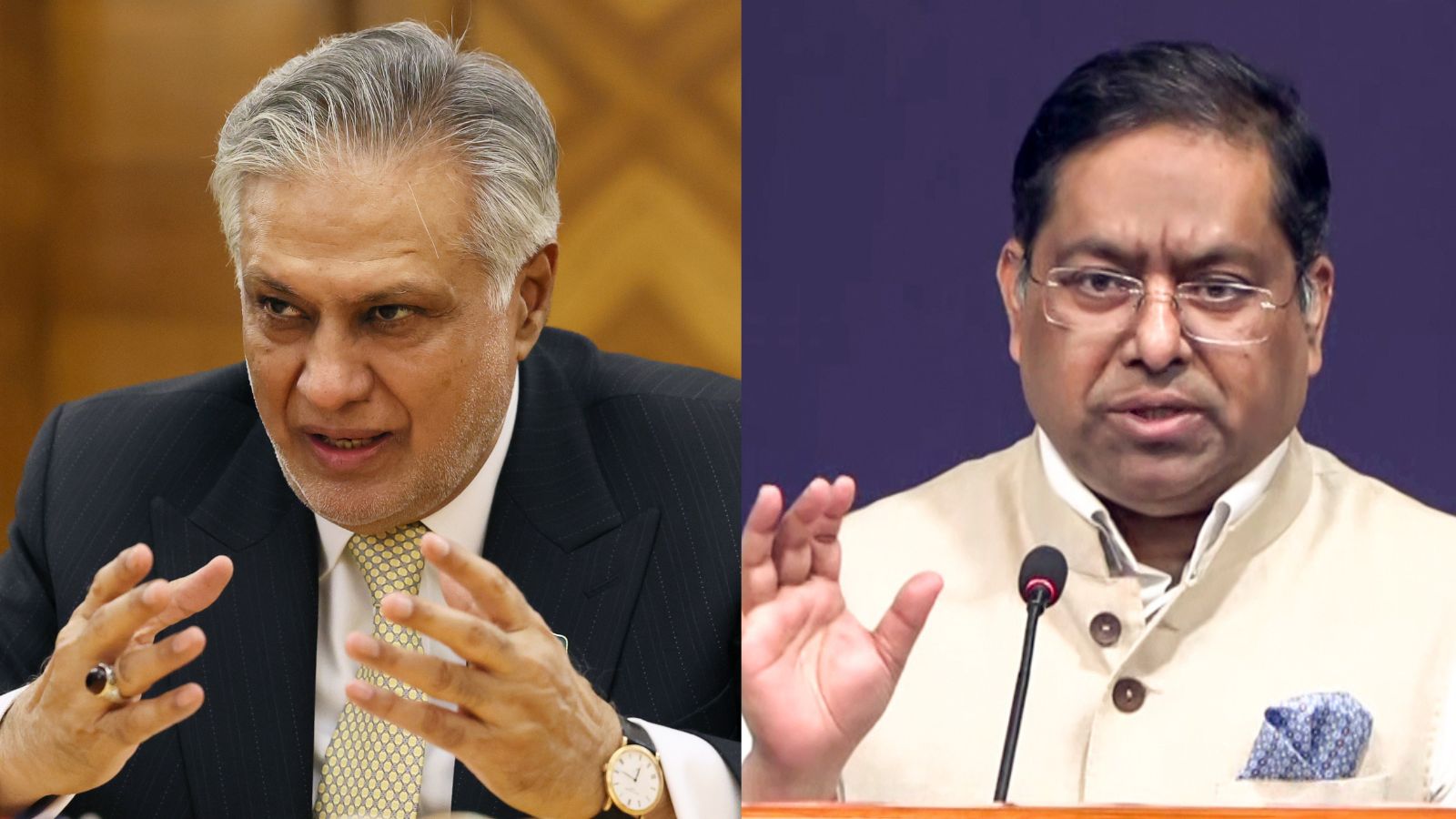
The Ministry of External Affairs warned that the condition of the China-India border will directly reflect the health of broader bilateral ties. Maintaining peace along the Line of Actual Control (LAC) is deemed paramount for mutual development.
Key Takeaways
- Border status with China will shape bilateral relations
- Peace along the LAC is of utmost importance
- India rejects China's criticism over naming 27 places in Arunachal Pradesh
MEA spokesperson Randhir Jaiswal told reporters on Tuesday that the state of the border with China will "reflect on the state of our larger bilateral ties." He added, "The maintenance of peace and tranquillity along the LAC is of the utmost importance."
India Refutes China’s Critique on Arunachal Naming
New Delhi dismissed China’s objections to the standard naming of 27 locations and geographical features in Arunachal Pradesh, reaffirming that the state is an "inalienable and integral" part of India and that this fact cannot be altered.
Why This Matters
BozokMedia analysis shows that stability on the border not only secures national safety but also underpins economic cooperation, investment flows, and strategic partnerships. Any escalation could jeopardize trade and diplomatic progress.
"Naming in Arunachal is a symbolic gesture, yet it sends a powerful diplomatic signal," says international relations expert Dr. Anita Singh.
Frequently Asked Questions
Q1: Will the naming of places in Arunachal resolve the border dispute?
A: Naming is a diplomatic step, but the core territorial issues remain under negotiation.
Q2: What mechanisms exist to maintain peace along the LAC?
A: Both sides use the Working Mechanism for Consultation and Coordination (WMCC), commander‑level meetings, and other agreed channels.