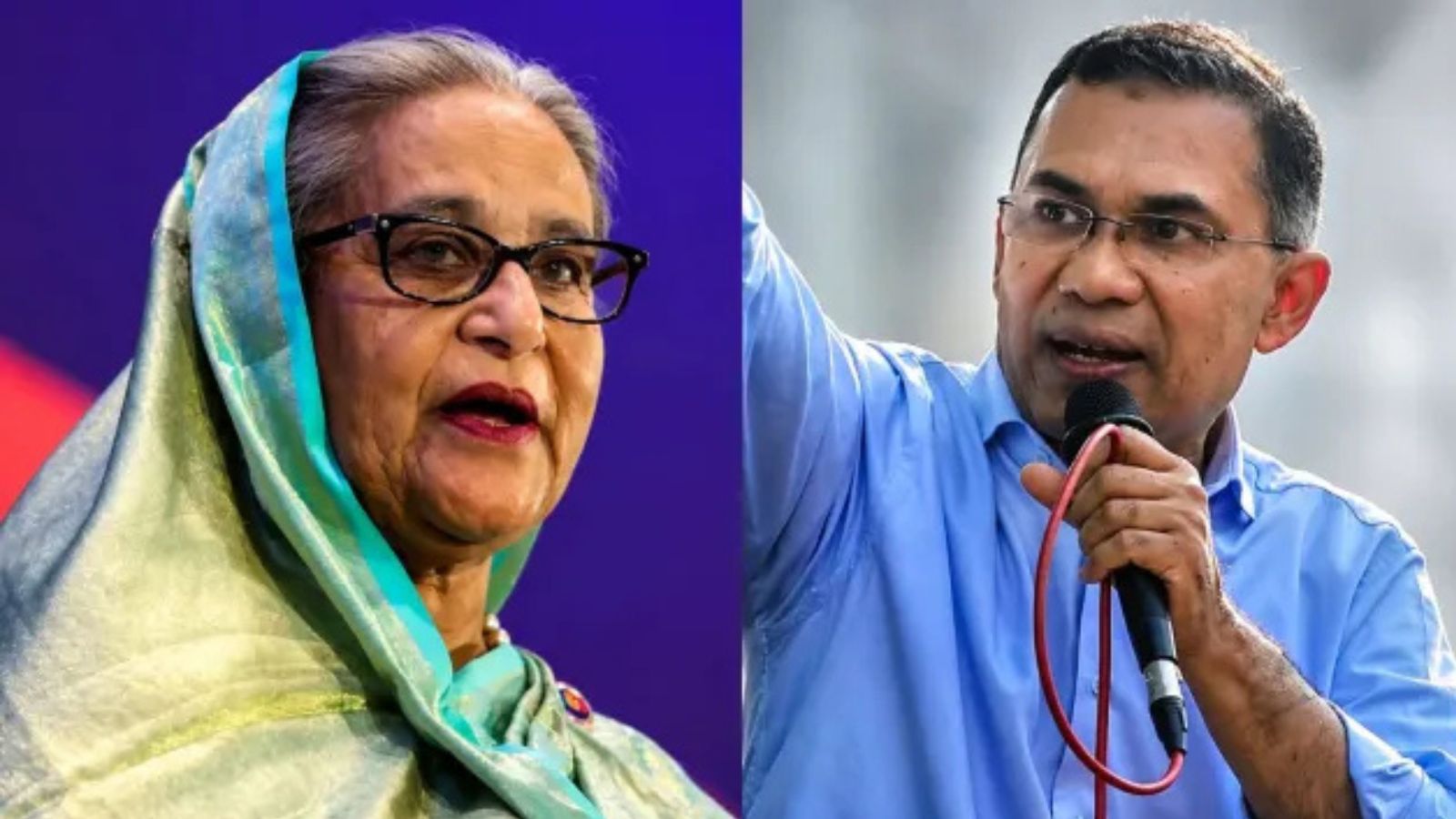
As the Tarique Rahman government in Bangladesh intensifies its demand for the extradition of Sheikh Hasina, India has emphasized the need for 'reciprocity' and mutual interests in bilateral ties.
- The Bangladesh government has urged India to expedite the extradition of Sheikh Hasina and other fugitives.
- New Delhi has signaled that future relations must be based on 'mutuality of interests and reciprocity.'
- The Ministry of External Affairs confirmed that extradition requests are being processed via established legal channels.
- India has distanced itself from Sheikh Hasina's recent statements regarding her planned return to Bangladesh.
New Delhi: In a significant diplomatic maneuver, India has responded to the growing pressure from the Tarique Rahman government in Bangladesh regarding the extradition of ousted Prime Minister Sheikh Hasina. While Dhaka has called for swift action to hand over Hasina and other 'fugitive criminals,' New Delhi has pivoted the conversation toward the fundamental principle of 'reciprocity' in bilateral relations.
The emphasis on reciprocity by Indian officials suggests that New Delhi is wary of making unilateral concessions on high-stakes security and political issues without receiving equivalent cooperation from Dhaka. This tension comes at a time when the political landscape in Bangladesh is undergoing a massive transition following the recent change in leadership.
Why This Matters
BozokMedia analysis shows that the extradition request is not merely a legal formality but a litmus test for the stability of India-Bangladesh ties. The ability of both nations to navigate the Hasina issue without compromising their strategic interests will determine the security architecture of the entire South Asian region for years to come.
The demand for reciprocity signals that India is moving away from traditional neighborhood diplomacy toward a more transactional and interest-based relationship with Dhaka.
Ministry of External Affairs spokesperson Randhir Jaiswal addressed the situation on Tuesday, stating, "India desires positive, constructive and forward-looking relations with Bangladesh based on mutuality of interests and reciprocity." Regarding the extradition requests, he maintained that they are being examined under the country's established legal processes.
The political friction was further heightened by Sheikh Hasina's recent press interaction, where she expressed intentions to return to Bangladesh in December. The Indian government has explicitly stated that it does not endorse her views and had no role in her recent public statements, which included concerns for her personal safety.
Historically, the relationship between India and Bangladesh has seen periods of extreme closeness and sudden friction. The current administration in Dhaka, which assumed office in February, has reiterated the requests originally moved by the interim government led by Muhammad Yunus, signaling a unified stance on the repatriation of former leaders.
Frequently Asked Questions
1. What is India's official stance on the extradition of Sheikh Hasina?
India states that all extradition requests are being examined as part of its established legal and diplomatic processes.
2. Why is 'reciprocity' being mentioned in diplomatic talks?
Reciprocity implies that for India to fulfill specific requests, it expects Bangladesh to act in a similarly constructive and cooperative manner regarding mutual interests.