Iran has intensified its naval presence in the Strait of Hormuz, turning commercial ships near Oman’s shoreline into potential targets. This article examines the geopolitical ripple effects and the implications for regional security and global oil supplies.
Key Takeaways
- Iran is ramping up military activity in the Hormuz corridor
- Commercial vessels near Oman’s coast are being treated as possible targets
- International powers are responding with heightened naval deployments
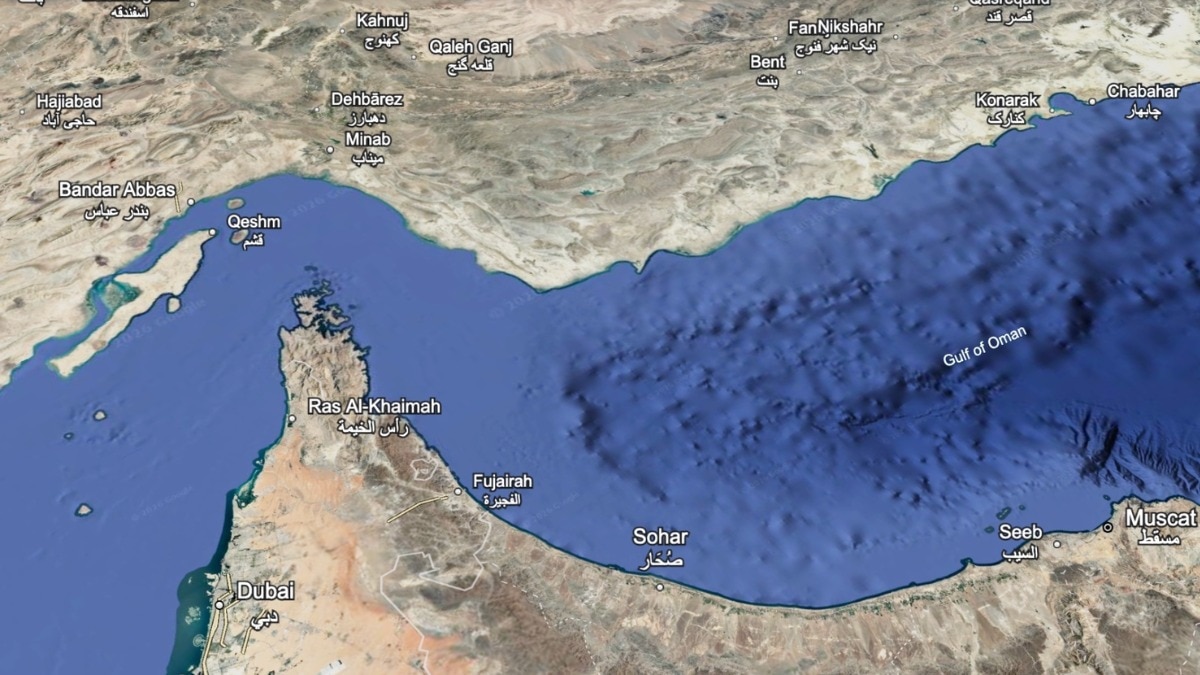
The Strait of Hormuz, a narrow chokepoint that channels roughly one‑fifth of the world’s oil shipments, has once again become a flashpoint. In recent weeks, Tehran has deployed fast attack craft, armed drones and naval mines, signalling a willingness to exert pressure on maritime traffic.
Geopolitical Background
Since the re‑escalation of tensions with the United States, Iran has focused on expanding its asymmetric naval capabilities. While it maintains a complex relationship with neighboring Oman—balancing trade ties against strategic rivalry—Oman’s coastline lies directly adjacent to the Iranian‑controlled side of the strait, making it a natural arena for Tehran’s show of force.
Targeting Ships on the Oman Side
Shipping reports over the past fortnight describe unexplained radio intercepts and low‑altitude drone fly‑overs of merchant vessels cruising near Omani waters. Analysts interpret these actions as a deliberate intimidation campaign aimed at disrupting the free flow of commerce through the waterway.
International Reaction and Possible Measures
The United States, the United Kingdom and the European Union have issued stern warnings and announced plans to increase naval patrols in the region. The United Nations Security Council is reportedly considering an emergency session to address the growing volatility and to explore diplomatic avenues for de‑escalation.
Looking Ahead
If Iran’s posture persists, instability in Hormuz could trigger spikes in oil prices and broader disruptions across global supply chains. Experts argue that a blend of robust diplomatic engagement and reinforced multinational maritime security frameworks will be essential to safeguard this critical artery.