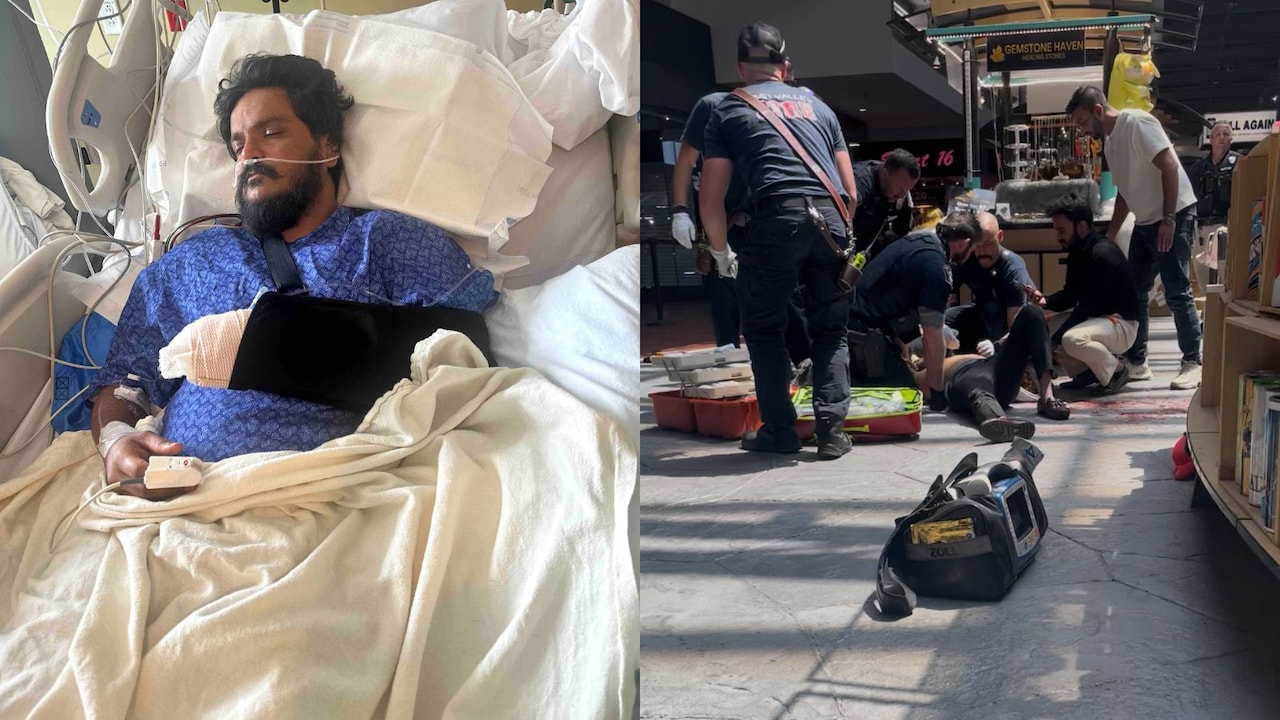
The National Transportation Safety Board verified that the Texas crash was caused by a driver who floored the accelerator, overriding Tesla’s Full Self‑Driving system. The finding backs Tesla’s claim that its driver‑assist software was not at fault.
Key Takeaways
- Driver pressed accelerator to 100%, bypassing supervised FSD
- Vehicle traveling >70 mph when it struck a house
- Driver faces manslaughter charge; family sues Tesla
The National Transportation Safety Board (NTSB) released a preliminary report on Wednesday confirming that the driver of a Tesla involved in a June crash in Katy, Texas, deliberately pressed the accelerator pedal to the full 100% position, effectively overriding the vehicle’s Full Self‑Driving (FSD) supervised mode. Telemetry recovered from the car shows it was traveling at more than 70 miles per hour when it collided with a residence, killing 76‑year‑old resident Martha Avila.
Technical Background of Tesla’s FSD
Tesla’s Full Self‑Driving suite, when used in the “supervised” configuration, requires the driver to keep their hands on the wheel and be ready to take control at any moment. The system is designed to operate at modest speeds in residential neighborhoods, typically well below the posted limits. This incident, however, demonstrates a scenario where a human operator deliberately disabled the safety envelope, resulting in a high‑speed impact that the software was never intended to handle.
Legal Fallout and Ongoing Investigations
Following the tragedy, the victim’s family filed a negligence lawsuit against both the alleged driver, 44‑year‑old Michael Butler, and Tesla. Butler has also been charged with manslaughter. The NTSB’s findings are part of a broader inquiry that includes the National Highway Traffic Safety Administration (NHTSA), which is conducting its own investigation into potential design or regulatory shortcomings.
Company Response and Public Narrative
Within days of the crash, Tesla released a statement asserting that its advanced driver‑assistance system (ADAS) was not to blame. CEO Elon Musk took to X (formerly Twitter) to argue, “This allegation makes no sense. FSD drives slowly through neighborhood streets and this was a high‑speed crash!” The NTSB report, however, confirms that the driver was actively using the supervised FSD mode on Rose Hollow Lane—a two‑lane residential road with a 30 mph speed limit—before accelerating through an intersection and leaving the roadway.
Implications for Autonomous Driving Policy
Experts warn that this case underscores the need for stricter enforcement of driver‑attention requirements and possibly real‑time monitoring of driver inputs when using semi‑autonomous features. As electric and autonomous vehicles proliferate, regulators may need to revisit existing standards, ensuring that human override does not become a loophole for reckless behavior.