On July 16, 1986, Chinese forces crossed roughly 7 km south of the McMahon Line in Arunachal Pradesh’s Kameng division, sparking a fresh flare‑up in India‑China relations. Revisiting the incident today highlights its lasting impact on border security and diplomatic strategy.
Key Takeaways
- In 1986, Chinese forces crossed roughly 7 km south of the McMahon Line.
- The incursion in Arunachal Pradesh heightened India‑China tensions.
- The episode remains a reference point for current border security and diplomatic strategies.
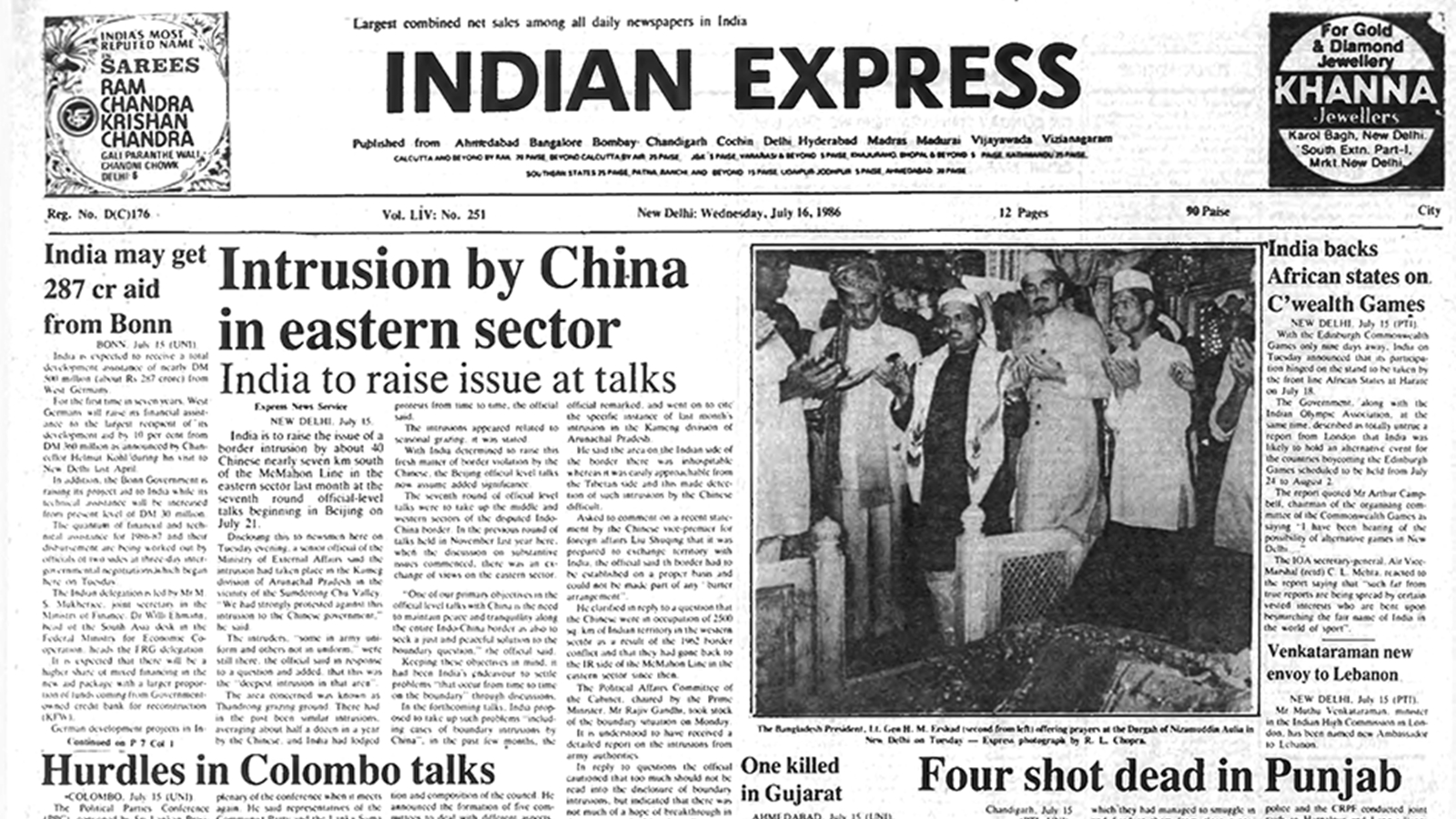
On July 16, 1986, the front page of *The Indian Express* reported a startling breach: about 40 Chinese troops entered the Sumdorong Chu Valley in the Kameng division of Arunachal Pradesh, approximately 7 km south of the contested McMahon Line. The intrusion coincided with the seventh round of official‑level talks in Beijing, thrusting the border dispute back into the diplomatic spotlight.
Historical Context
The McMahon Line, drawn at the 1914 Simla Conference, has long been the fulcrum of India‑China border disagreements. Even after the 1962 war, sporadic skirmishes persisted, but the 1986 episode marked a clear demonstration of China’s willingness to test the line’s limits, signaling an assertive frontier policy.
Political and Strategic Impact
India’s Ministry of External Affairs swiftly lodged a protest, demanding that the issue be tabled in the ongoing talks. Senior officials highlighted gaps in the Kameng sector’s surveillance and rapid‑response capabilities, prompting a reassessment of high‑altitude defense postures and the deployment of specialized mountain troops.
Relevance to Current Dynamics
Fast‑forward to the 2020‑2021 standoffs at Tawang and Galwan, the 1986 incursion serves as a cautionary precedent. Analysts note that the incident underscored the need for robust border infrastructure, which has since become a cornerstone of India’s strategic planning along the eastern sector.
Looking Ahead
While economic ties between Delhi and Beijing have expanded, the legacy of 1986 reminds policymakers that territorial disputes demand a blend of diplomatic engagement and hardened deterrence. As regional powers watch closely, the balance between dialogue and defense will shape the next chapter of India‑China relations.