Two years after the massive fish kill caused by industrial effluents in Kerala's Periyar River, local fishing communities struggle with debt and unpaid compensation.
Key Takeaways
- Fisherfolk in Ernakulam, Kerala, are still waiting for compensation following the massive fish kill in the Periyar River.
- The Fisheries Department recommended ₹13.75 crore in aid, but local estimates suggest losses exceeding ₹40 crore.
- Environmental activists highlight the failure to implement protective measures like dyke walls to prevent future pollution.
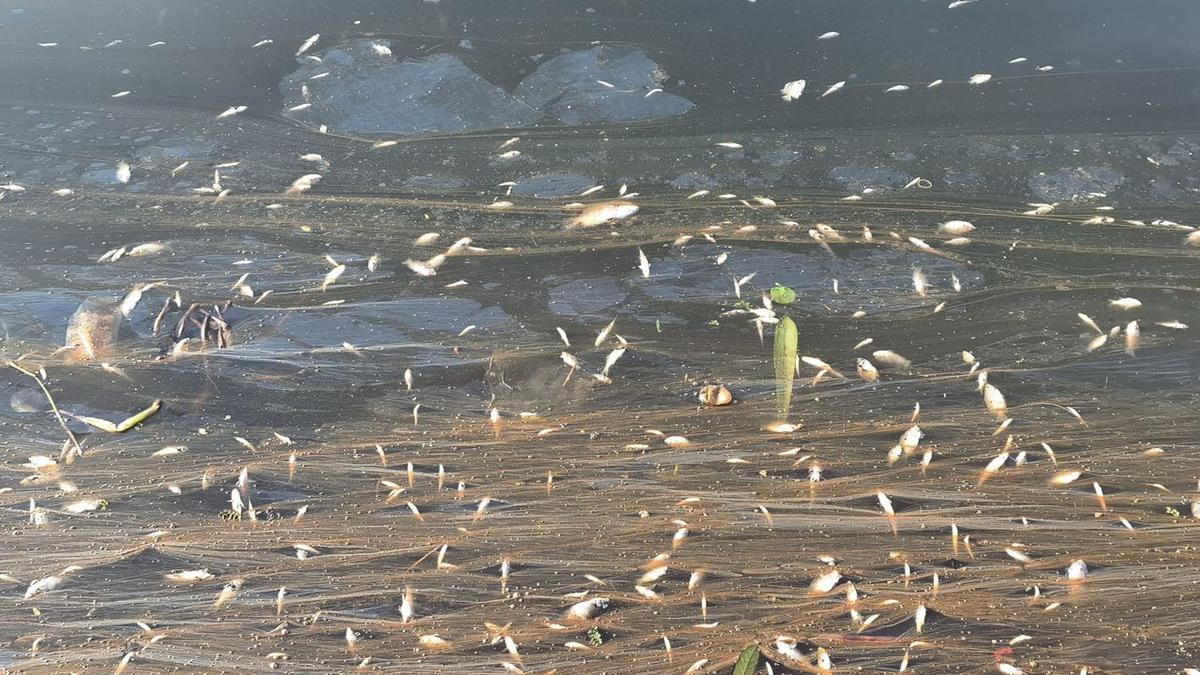
Two years have passed since the devastating ecological disaster in the downstream of the Periyar River along the Eloor-Edayar industrial stretch, yet the fishing communities of Ernakulam remain in a state of financial limbo. The incident, which occurred on May 21, 2024, saw thousands of dead fish floating near the Pathalam bund, a direct consequence of suspected toxic effluent discharge from nearby industrial units.
A Devastating Blow to Livelihoods
The impact of this mass fish kill has been catastrophic for both cage farmers and traditional capture fishermen. Swapnalal, a cage fish farmer from Varapuzha, shared the harrowing reality of his loss, noting that he had invested heavily in Kalanjis and Karimeen varieties. "Many of us had taken loans to carry out cage farming, and this tragedy has resulted in a massive financial burden," he stated. While the Fisheries Department recommended a compensation package of approximately ₹13.75 crore, independent reports from environmental experts suggest the actual economic devastation could be as high as ₹41.85 crore.
Systemic Failure and Environmental Neglect
The delay in compensation is compounded by a lack of preventive action. Charles George, State President of the Kerala Matsyathozhilali Aikyavedhi (TUCI), emphasized that the losses suffered by the community are far greater than the government's estimates. Furthermore, Purushan Eloor, spokesperson for the Periyar Malineekarana Virudha Samithi, pointed out that critical recommendations to prevent such incidents—such as the construction of a dyke wall with a walkway for enhanced surveillance—have yet to be implemented by the authorities.
The Pending Verdict
Despite reports on the economic impact being submitted by district administration officials to the state government, a final decision on the disbursement of funds remains pending. This administrative deadlock leaves the most vulnerable stakeholders of the river ecosystem to struggle with mounting debts and uncertain futures, highlighting a significant gap in environmental governance and social justice in the region.