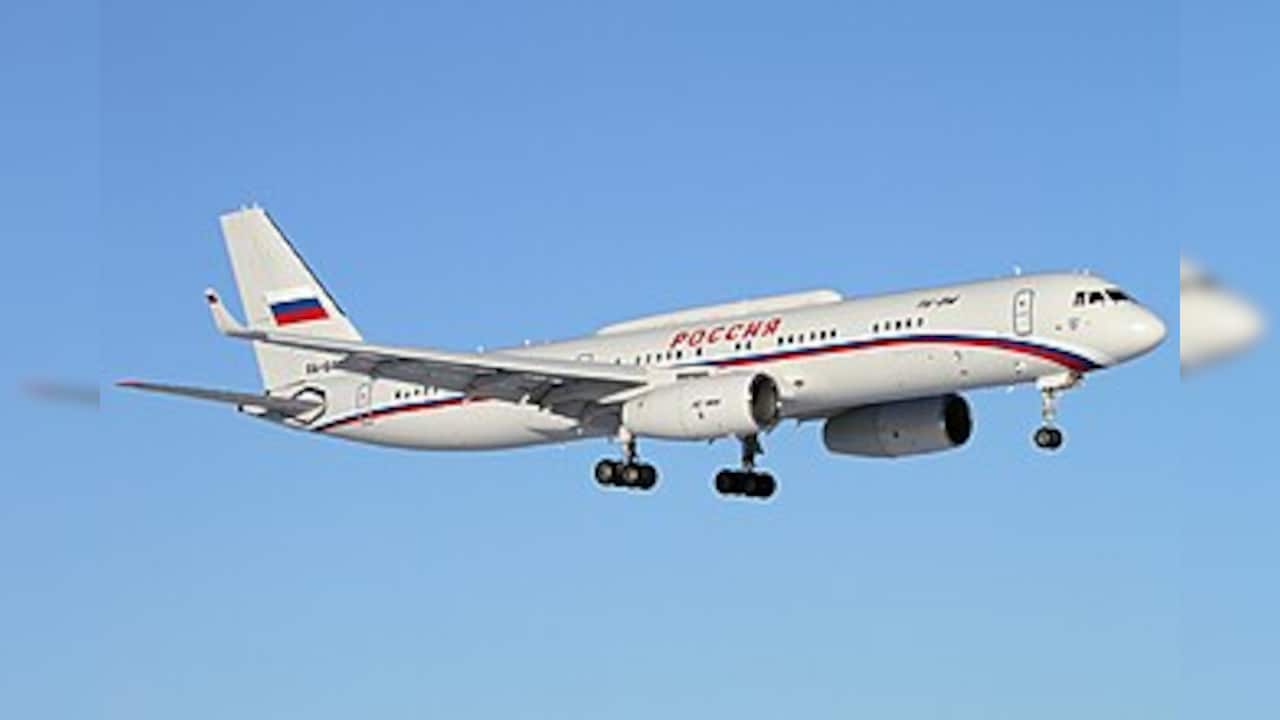
The arrival of Russia's Tu-214PU command aircraft in Tehran amidst escalating Middle East tensions signals a deepening military alignment between Moscow and Tehran.
Key Takeaways
- Russia's advanced Tu-214PU command aircraft landed in Tehran on July 13.
- The deployment occurs alongside intensified US and Israeli airstrikes on Iranian targets.
- The Tu-214PU is a strategic asset capable of managing command during nuclear conflicts.
In a move that has sent ripples through global intelligence agencies, a Russian Tu-214PU aircraft departed from Moscow and touched down in Tehran at approximately 10:10 am on July 13. The timing of this deployment is highly significant, coinciding with a period of heightened volatility as US and Israeli airstrikes continue to target critical Iranian military infrastructure. This suggests a calculated move in the shifting sands of Middle Eastern geopolitics.
Understanding the 'Doomsday Plane'
The Tu-214PU is not a standard transport aircraft; it is a sophisticated airborne command post. Often referred to as a 'Doomsday Plane,' its primary function is to serve as a mobile, high-security command center capable of maintaining communications and coordinating strategic military operations, even in the event of a large-scale nuclear conflict. Its presence in a volatile region like the Middle East is a potent symbol of strategic capability and resilience.
Strategic Implications: Moscow and Tehran
The deployment of such a high-value asset to Iran signifies more than just a diplomatic gesture. It underscores a deepening military and strategic partnership between Russia and Iran. As Iran faces direct military pressure from Western-aligned powers, Moscow's decision to position its command-and-control technology in the region serves as a direct counter-signal to Washington and Tel Aviv.
Analysts suggest that this move could be intended to bolster Iran's command-and-control stability during potential escalations. Furthermore, it signals to the international community that Russia remains a decisive player in the Middle East, willing to provide technical and strategic support to its allies in the face of Western military pressure. This development could fundamentally alter the regional security architecture and heighten the risk of a broader confrontation.