The collapse of the interim agreement has crippled shipping through the Strait of Hormuz and prompted the United States to reinstate its blockade on Iranian ports. Nuclear talks remain stalled, heightening regional instability.
Key Takeaways
- Interim deal collapses, worsening Hormuz shipping crisis
- U.S. reinstates blockade on Iranian ports
- Nuclear negotiations stalled, risk escalates
The fragile cease‑fire between Iran and the United States, brokered just weeks ago, has unraveled, reigniting a volatile geopolitical flashpoint. The Memorandum of Understanding (MOU) was designed to halt all military operations, reopen the Strait of Hormuz, and lay the groundwork for a permanent peace settlement and a definitive nuclear accord within 60 days. Less than a month later, none of those objectives have materialised.
Broken Promises and Escalating Hostilities
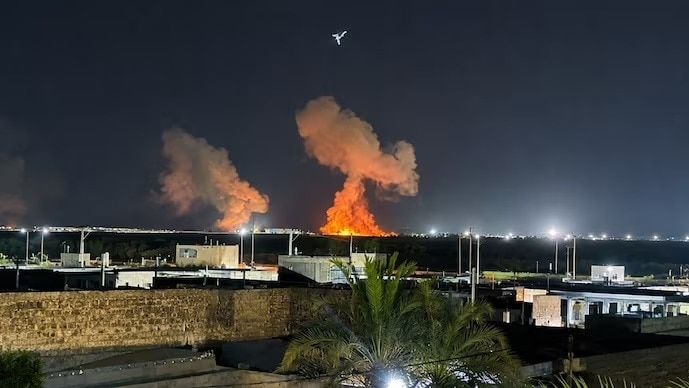
Under the MOU, the three parties pledged “the immediate and permanent termination of military operations on all fronts, including in Lebanon,” and vowed not to initiate new attacks. Yet, within days, Iran fired at Arab nations hosting U.S. troops, and Washington responded with a series of airstrikes targeting Iranian facilities after Tehran’s assaults on commercial vessels in Hormuz. The cease‑fire that had held between Israel and Hezbollah has largely survived, but the broader conflict has surged back.
Shipping Disruption in the Strait of Hormuz
The agreement stipulated that Iran would guarantee safe passage for commercial ships for 60 days, with traffic to resume fully within 30 days after de‑mining and removal of technical obstacles. In practice, traffic rose only modestly after the deal, never reaching pre‑war levels, and has now plummeted as Iran’s attacks on an alternative route along Oman’s coast provoked a fresh U.S. blockade. The resulting bottleneck threatens global oil supplies and could prompt a spike in energy prices.
Stalled Nuclear Dialogue
Iran reaffirmed its commitment not to pursue nuclear weapons, and both sides agreed that any enriched uranium stockpile would be down‑blended under International Atomic Energy Agency (IAEA) supervision. However, with the 60‑day deadline looming in mid‑August, no concrete steps have emerged. Tehran continues to deny IAEA inspectors access to sites where highly‑enriched uranium is believed to be concealed, leaving the nuclear question unresolved.
Wider Regional and Global Implications
The breakdown of the interim accord amplifies instability across the Middle East. The Strait of Hormuz is a chokepoint for roughly a fifth of the world’s oil trade; any prolonged disruption can reverberate through global markets. Moreover, the renewed Iran‑U.S. tension complicates diplomatic calculations for Gulf neighbours such as Oman, the UAE, and Saudi Arabia. Analysts warn that without a swift diplomatic reset, the region faces heightened economic strain and an increased risk of broader conflict.