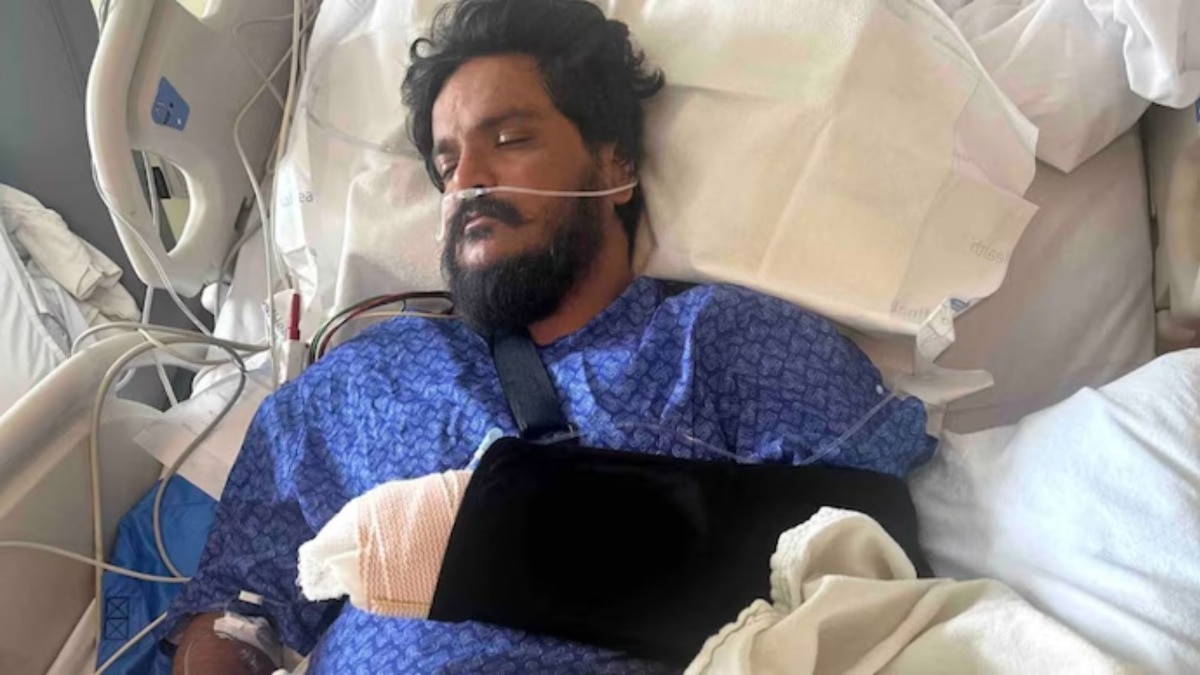
A knife assault driven by religious hatred left Indian national Syed Sohailuddin severely injured at a Utah mall, prompting a worldwide online fundraiser that collected over $2.35 million (≈₹2 crore). The funds aim to cover his critical medical expenses and support his family.
Key Takeaways
- Hyderabad native attacked in Utah mall due to religious hatred
- Global online fundraiser raised $2.35 million (over ₹2 crore) for his treatment
- Attacker openly admitted "I want to kill Muslims"; police classified it as a hate‑motivated murder attempt
On July 13, 2026, a shocking incident unfolded at the Valley Fair Mall in West Valley City, Utah. Syed Sohailuddin, a 48‑year‑old Indian citizen, was stabbed repeatedly—up to fifteen times—by 48‑year‑old Peter Michael Larson after the assailant learned that Sohailuddin was Muslim.
Details of the Assault
According to eyewitnesses, Larson first asked Sohailuddin his name, country, and religion. When the victim confirmed his Indian origin and answered “yes” to being Muslim, Larson launched a brutal knife attack, repeatedly stabbing him. Bystanders and mall staff intervened, subduing the attacker and handing him over to law enforcement.
Legal Response
Police have labeled the incident a “religiously‑motivated attempted murder,” charging Larson under hate‑crime statutes. During interrogation, Larson reportedly declared, “I want to kill Muslims,” confirming the bias‑driven nature of the assault.
International Financial Solidarity
Sohailuddin is the sole breadwinner for his family—wife and two young children—and lacks health insurance. In response, a global crowdfunding campaign amassed $2.35 million (more than ₹2 crore) to fund his surgeries, intensive care, and post‑operative rehabilitation.
Diplomatic Outreach
The Indian Consulate General in San Francisco expressed deep sorrow and pledged continuous diplomatic assistance to the victim’s family. The episode underscores rising concerns about hate‑based violence in the United States and highlights the vulnerability of immigrant communities lacking adequate medical coverage.
Broader Implications
While Sohailuddin’s condition remains critical, the worldwide financial aid offers a lifeline. The case serves as a stark reminder that hate‑motivated crimes demand swift legal action, robust community support, and policy reforms to protect minority groups abroad.