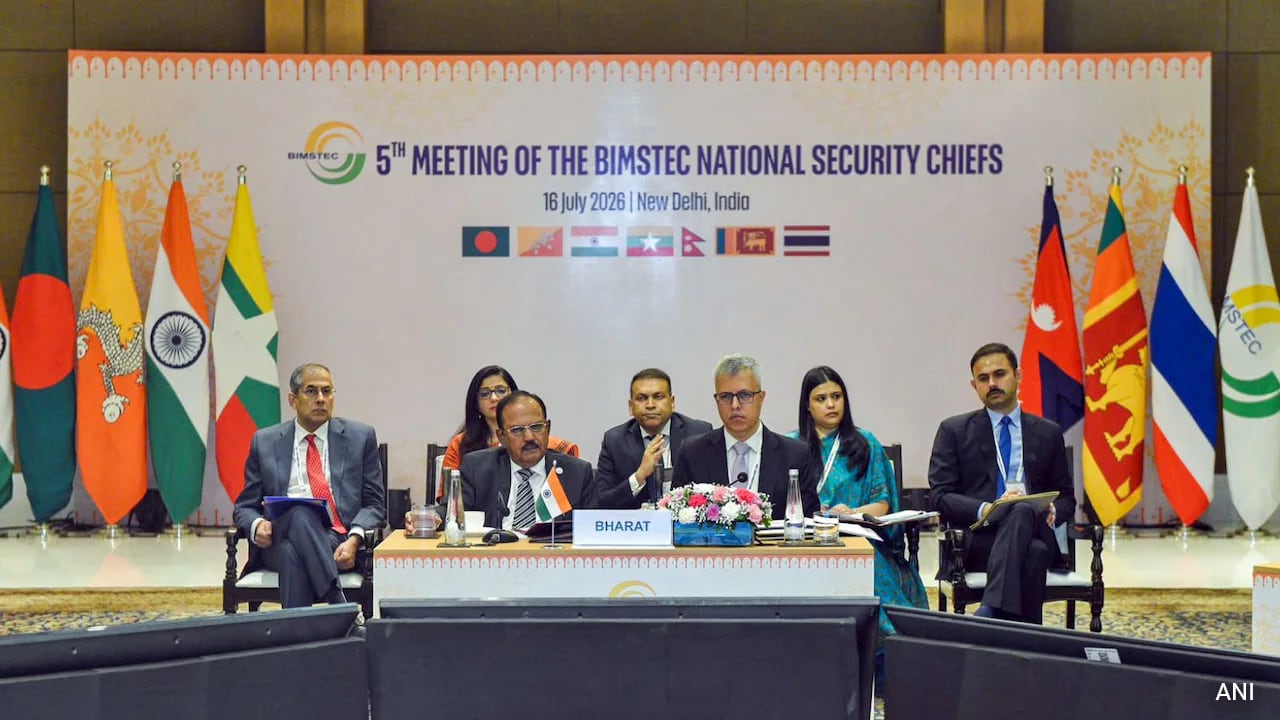
At a Delhi summit, Bangladesh called on all member nations to prioritize cooperation rather than competition between SAARC and BIMSTEC. The appeal marks a strategic shift toward deeper regional integration and shared economic growth.
Key Takeaways
- Bangladesh urges collaboration instead of rivalry between SAARC and BIMSTEC.
- Delhi summit gathered security advisers and heads of delegations from six other member states.
- Regional cooperation could unlock significant economic, infrastructure, and security benefits.
The Ministry of External Affairs released a statement confirming that the Delhi summit convened security advisers and heads of delegations from the six remaining SAARC members – Bangladesh, Bhutan, Myanmar, Nepal, Sri Lanka and Thailand. In this high‑level forum, Bangladesh emphasized that SAARC and BIMSTEC should work hand‑in‑hand rather than compete for influence.
Historical Context of SAARC and BIMSTEC
SAARC (South Asian Association for Regional Cooperation) was founded in 1985 to foster economic and political collaboration among South Asian nations. BIMSTEC (Bay of Bengal Initiative for Multi‑Sectoral Technical and Economic Cooperation) followed in 1997, bringing together countries bordering the Bay of Bengal and extending to Thailand. Although both groups share many members, divergent mandates and institutional capacities have occasionally led to overlapping agendas and a subtle rivalry for resources and attention.
Bangladesh’s Consistent Message
Bangladesh has long positioned SAARC as a cornerstone of its foreign policy, championing regional unity. At the Delhi meeting, the Bangladeshi foreign minister reiterated that a competitive stance between the two bodies would dilute collective bargaining power and stall development projects. “When the same geography is represented by two parallel platforms, we must merge efforts to achieve real progress in infrastructure, energy, and trade,” he asserted.
Why the Delhi Summit Matters
The gathering went beyond rhetoric. By inviting security advisers, the summit tackled pressing challenges such as terrorism, maritime safety, and border management. Simultaneously, delegates exchanged proposals on joint infrastructure ventures, water‑resource management, and digital connectivity. This multi‑layered dialogue is designed to foster synergy between SAARC and BIMSTEC, paving the way for coordinated policy actions.
Implications for the Future
If Bangladesh’s vision translates into concrete policy, a joint SAARC‑BIMSTEC agenda could streamline trade barriers, accelerate cross‑border projects, and enhance regional resilience. Analysts argue that such alignment would not only boost economic growth but also reinforce security cooperation, creating a virtuous cycle of stability and prosperity across South Asia. The Delhi summit thus serves as a potential catalyst for a more unified and influential regional bloc.