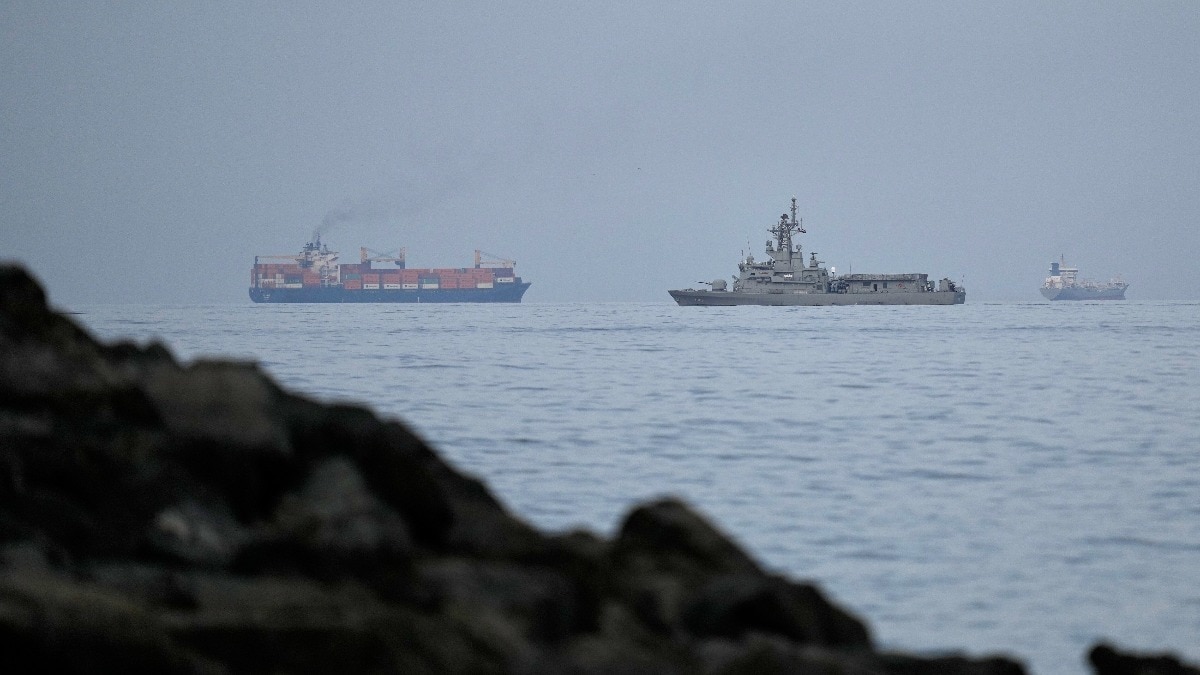
Following a spate of Iranian attacks, commercial vessels are avoiding the US‑led transit scheme through the Strait of Hormuz, raising new worries about crew safety, oil exports and regional shipping stability.
Key Takeaways
- Iranian attacks have prompted shipping firms to bypass the US‑guided Hormuz transit corridor.
- Confidence in the US escort operation is eroding, increasing the risk of global energy supply disruption.
- While the White House declares the strait open, operators are seeking alternative routes for safety.
Escalating tensions between the United States and Iran have turned the strategic Strait of Hormuz into a volatile battleground. After Iranian forces mined parts of the traditional lane, many commercial vessels are now steering clear of the US‑military‑guided transit scheme, igniting fresh concerns over maritime safety and the flow of crude oil and LNG.
Historical Context
The strait, which carries roughly one‑fifth of the world’s oil and liquefied natural gas shipments, has long been regulated by internationally recognised lanes set by the United Nations maritime agency in 1968. For decades, ships navigated these routes with minimal interference. However, the conflict that intensified on 28 February between Tehran and Washington led to the deployment of mines and the creation of ad‑hoc corridors hugging either the Iranian or Omani coasts.
Recent Attacks
Since 7 July, at least five vessels—including three crude‑oil supertankers, one LNG carrier, and a container ship—have been targeted in Omani waters where the US‑guided scheme operated. Iran’s Islamic Revolutionary Guard Corps (IRGC) claimed responsibility for striking two Emirati oil supertankers, underscoring a pattern of escalating aggression against commercial shipping.
Industry Response
Senior executives across the shipping sector report that many companies are either suspending voyages through the strait or re‑routing cargoes altogether. Greek security firms Diaplous and MARISKS have warned operators that the current risk level does not meet acceptable safety standards, urging delays or alternative pathways.
US Position
Despite the mounting threats, the White House maintains that the Strait of Hormuz remains open for commercial traffic. Spokesperson Olivia Wales accused Iran of targeting civilian vessels and affirmed that the United States is acting to protect freedom of navigation. A defence official noted that over the past week more than 100 ships coordinated directly with US forces to transit the strait, while a total of 300+ vessels have passed through the broader region.
The lingering uncertainty threatens global energy markets. Should the attacks continue, the already‑tight oil supply chain could face further shocks, pushing prices higher and compelling producers to rethink logistics strategies. Analysts argue that a durable solution will require a multilateral maritime security framework rather than reliance on unilateral US escort operations.