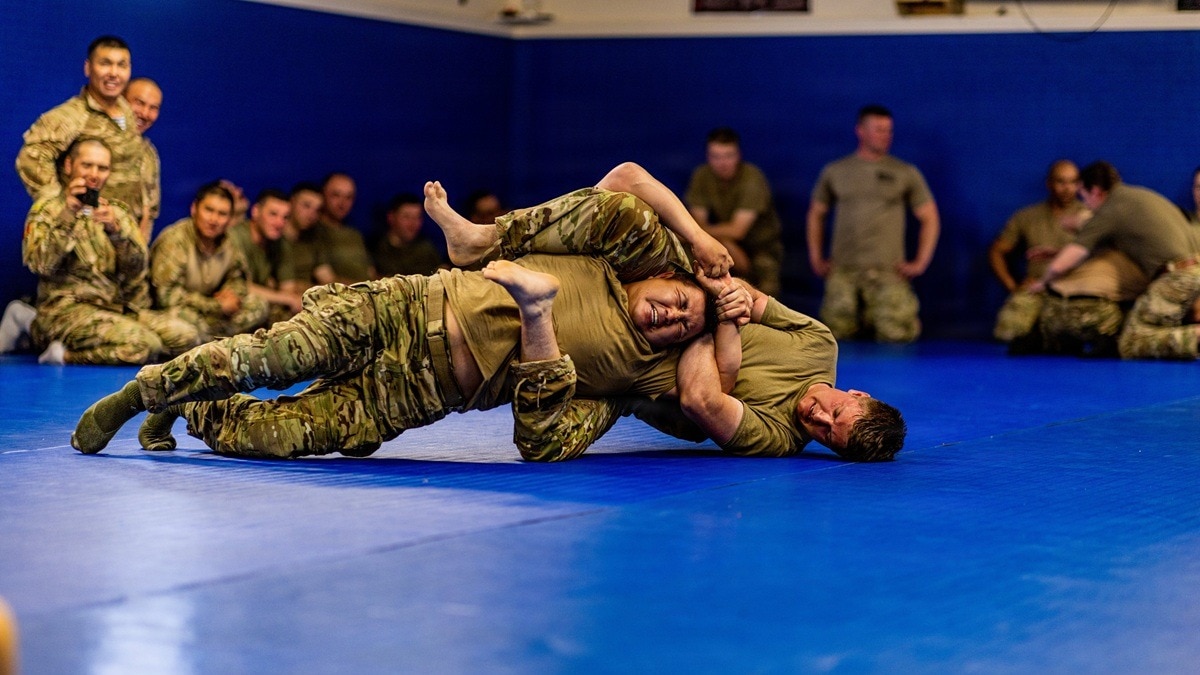
The United States Department of Defense announced a new policy to conduct yearly testosterone screenings for soldiers aged 30 and above. The initiative aims to boost combat effectiveness and ensure long‑term health of service members.
Key Takeaways
- US Army will mandate annual testosterone testing for personnel over 30
- Soldiers with low hormone levels will receive Testosterone Replacement Therapy (TRT)
- Goal is to preserve combat readiness, endurance, and longevity
U.S. Defense Secretary Pete Hegseth announced on July 16, 2026 that the Army will now monitor the hormone health of its troops, not just their weapons and equipment. Under the new policy, every soldier older than 30 will undergo a yearly testosterone test to gauge their “masculine” strength.
Background and Rationale
Testosterone, often dubbed the “male hormone,” influences muscle mass, energy, aggression, and confidence—traits essential for modern warfare. Levels naturally decline with age, potentially eroding a soldier’s physical performance. Hegseth argues that while advanced technology is vital, the individual combatant’s physiological edge remains the decisive factor on the battlefield.
Testosterone Replacement Therapy (TRT)
Should a soldier’s test reveal sub‑normal testosterone, the individual will be offered TRT. The U.S. Food and Drug Administration currently approves testosterone therapy for conditions such as hypogonadism, where hormone production is abnormally low. By providing TRT, the Army hopes to prevent performance degradation and keep troops battle‑ready.
Potential Implications
This policy could have multiple ripple effects: it may raise overall troop fitness, project an image of a more lethal and aggressive force, and reflect a broader shift toward easing previous restrictions on hormone therapy introduced during the Trump administration.
Future Outlook
In a video message, Hegseth emphasized, “Our most decisive strategic advantage is always the individual soldier, and preserving that advantage is our sacred duty.” The statement signals that future military readiness will increasingly intertwine cutting‑edge equipment with biologically‑optimized personnel, ensuring both longevity and combat potency.