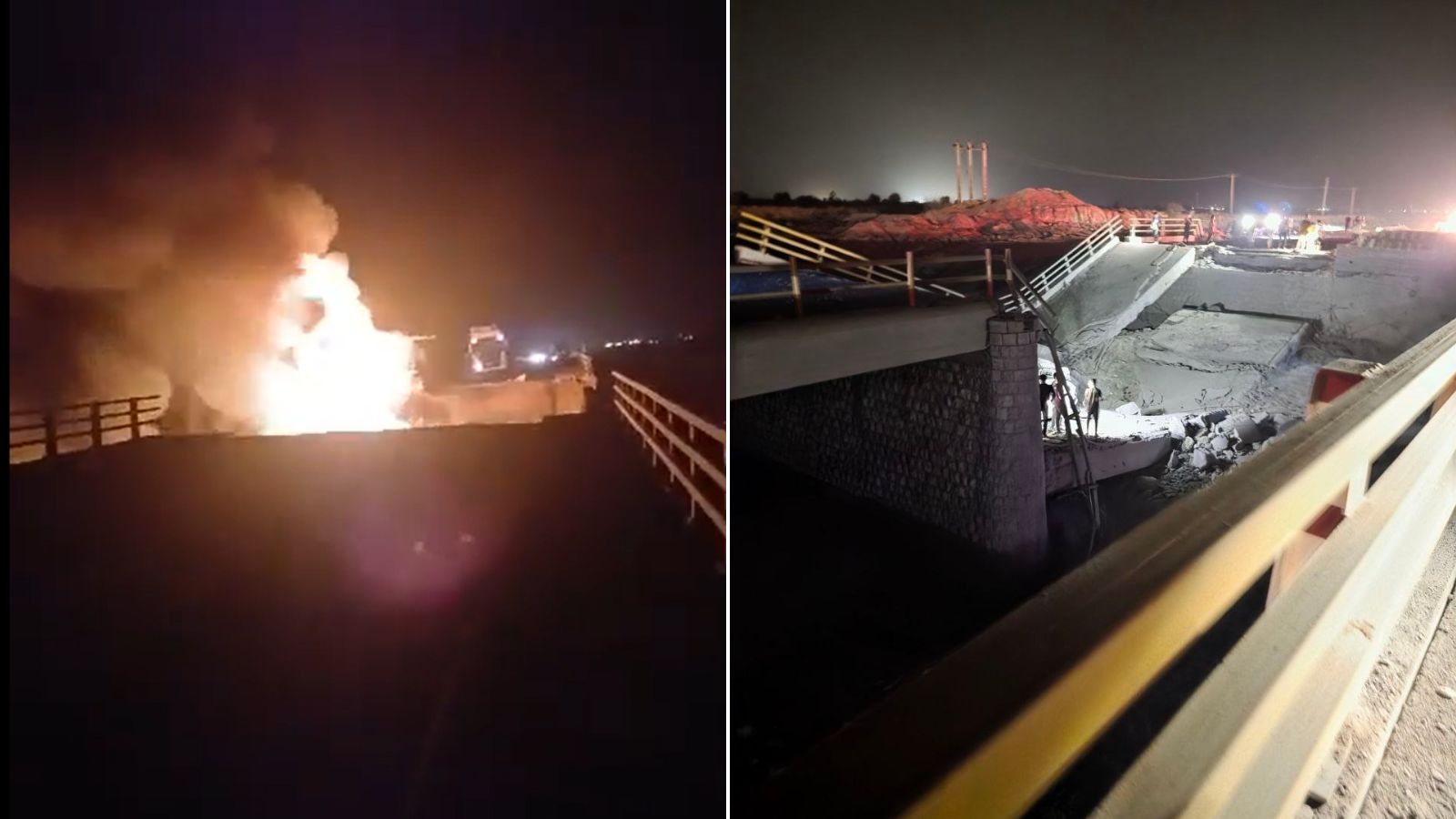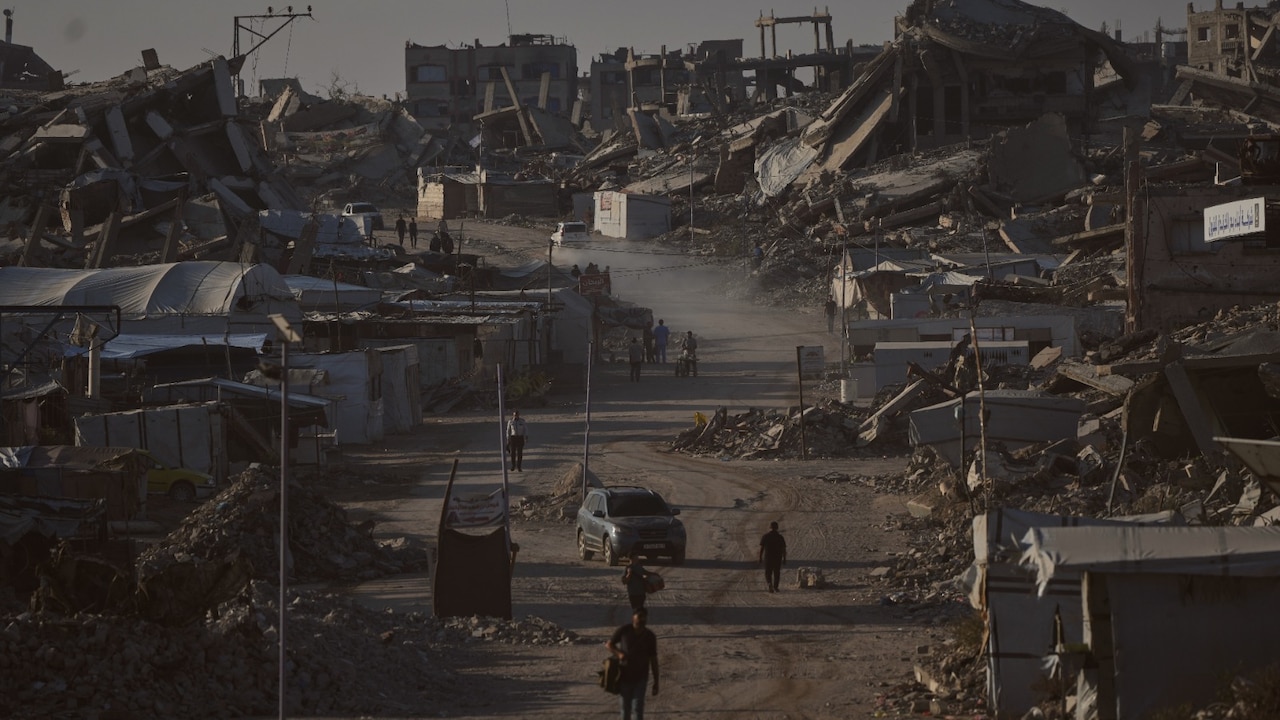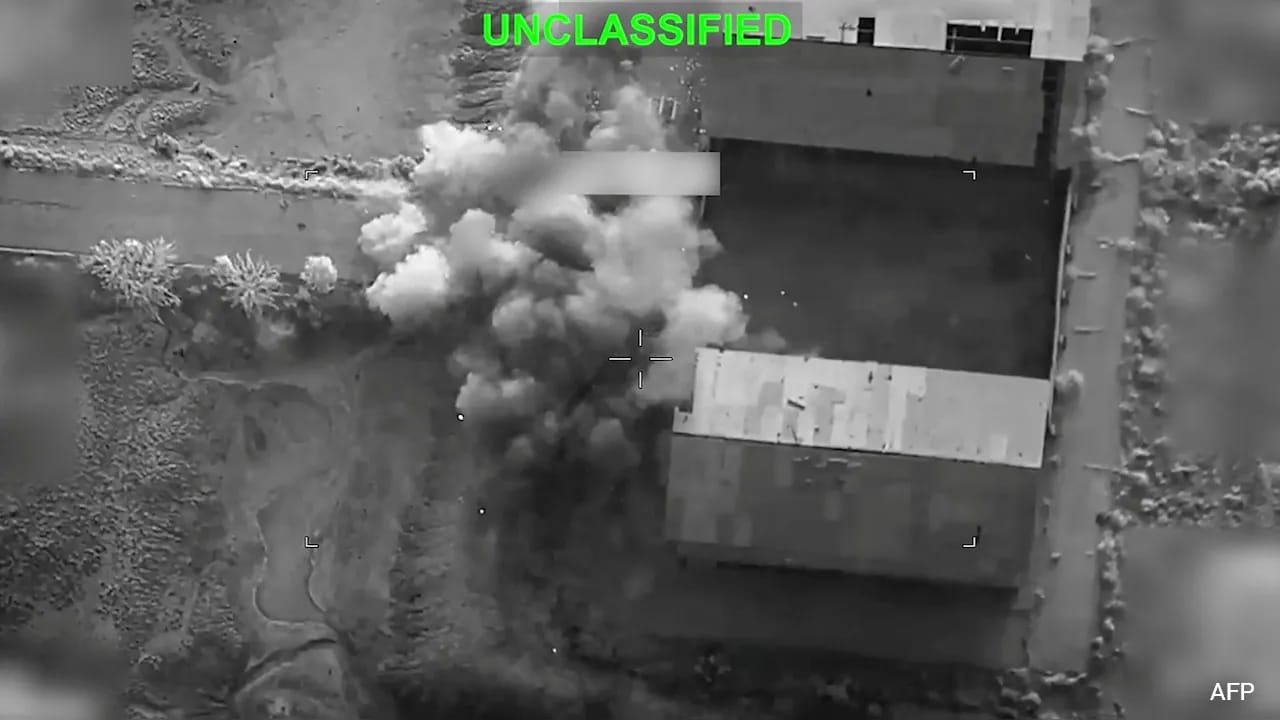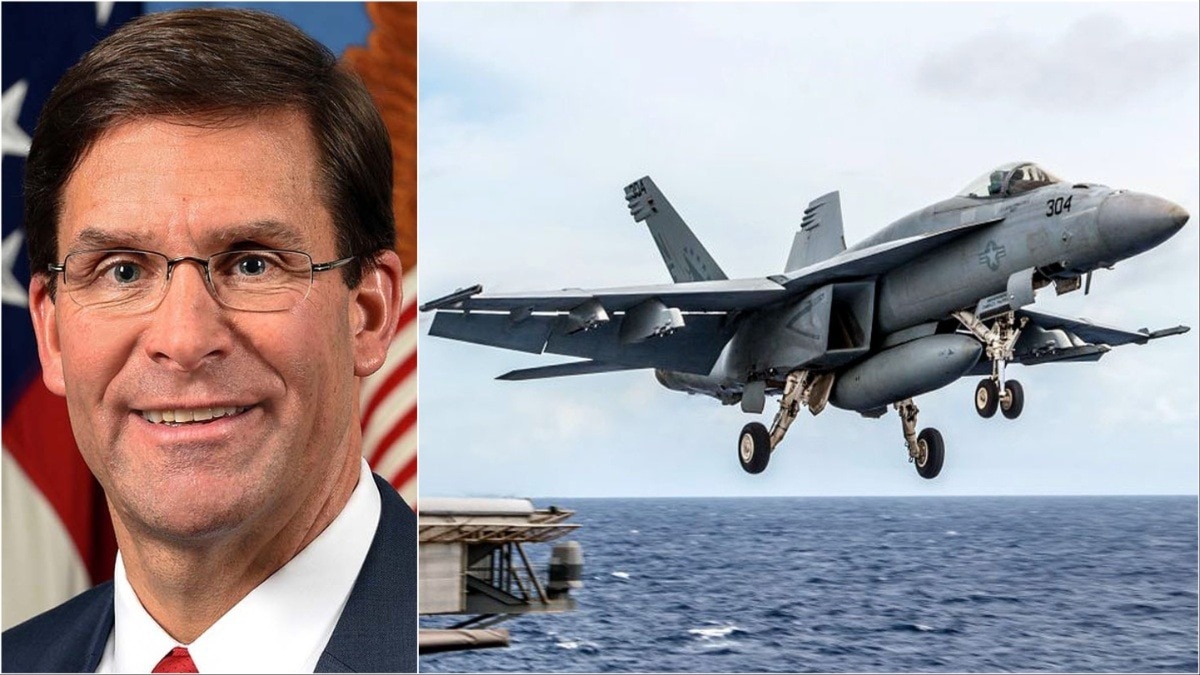
A former high-ranking US defense official has cautioned that conventional airstrikes are insufficient to dismantle Iran's military capabilities, warning of broader regional implications.
Key Takeaways
- Conventional airstrikes are insufficient to fully neutralize Iran's military infrastructure.
- Iran's decentralized and underground military assets pose a significant challenge.
- Military escalation could trigger a wider, destabilizing conflict across the Middle East.
In a significant warning regarding the escalating tensions in the Middle East, a former US Defense Secretary has asserted that Iran cannot be defeated through airstrikes alone. This profound observation comes amidst growing speculation regarding potential military interventions aimed at curbing Iran's regional influence and nuclear ambitions.
The Complexity of Iranian Military Infrastructure
The core of the argument lies in the nature of Iran's military organization. Unlike traditional militaries that rely on centralized command centers, Iran has spent decades developing a highly decentralized and asymmetric warfare capability. Their assets, including missile silos, drone production facilities, and command centers, are often deeply embedded in underground facilities, making them incredibly difficult to target effectively through aerial bombardment.
Risks of Regional Escalation
Furthermore, the former official highlighted the catastrophic potential of a kinetic conflict. An attack on Iranian soil would not remain localized; it would likely trigger a domino effect across the region, involving various proxy groups and state actors. Such a conflict poses a direct threat to global energy security and could lead to a massive spike in oil prices, destabilizing the global economy.
Strategic Diplomacy vs. Kinetic Force
The analysis concludes that while military force can disrupt, it cannot achieve long-term political stability in a nation as complex as Iran. Experts argue that a sustainable resolution requires a sophisticated blend of diplomatic pressure, economic statecraft, and strategic intelligence rather than a reliance on purely destructive military means.