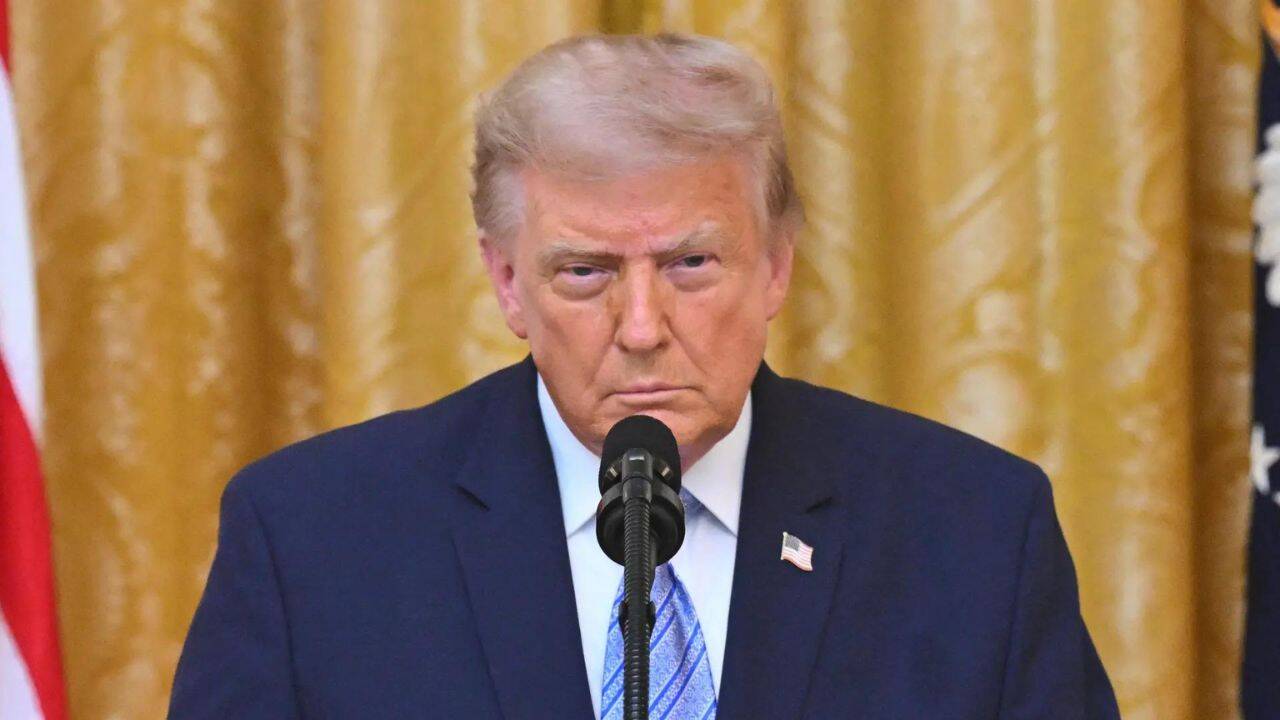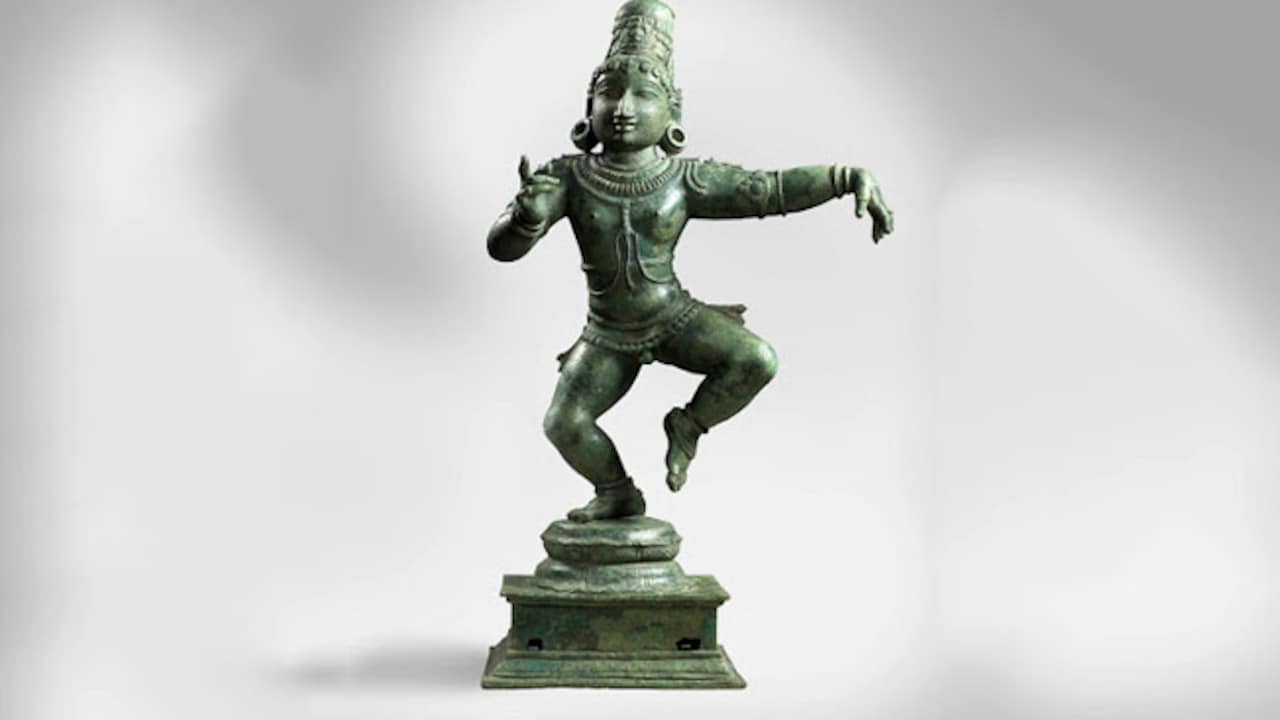
Australian Prime Minister Anthony Albanese announced the return of several significant Indian artefacts, marking a major step in cultural restitution. The move aims to strengthen bilateral ties and correct historic injustices.
Key Takeaways
- Australia pledges to return important Indian artefacts.
- The decision enhances cultural cooperation between the two nations.
- Return process follows international law and bilateral agreements.
Australian Prime Minister Anthony Albanese has formally announced that a collection of valuable Indian artefacts will be returned to India. The statement was made alongside Foreign Minister Pat Conroy during a bilateral meeting, emphasizing the commitment to restore heritage items that were taken abroad during colonial times.
Historical Background
During the British Empire, numerous Indian cultural objects were exported to various colonies, including Australia. India’s calls for restitution began in the 1990s but achieved limited progress for decades. In 2016, a bilateral cultural agreement was signed, promising cooperation on provenance research and the repatriation of artefacts. Today’s announcement builds directly on that framework, turning diplomatic intent into tangible action.
The artefacts slated for return include 12th‑century stone carvings, ancient inscriptions, and two rare paintings currently housed in the Sydney and Melbourne museums. These pieces represent the rich artistic heritage of the Indian subcontinent and hold immense scholarly and public value.
The repatriation follows UNESCO’s 1970 Convention on the Means of Prohibiting and Preventing the Illicit Import, Export and Transfer of Ownership of Cultural Property, as well as the specific terms of the 2016 Australia‑India cultural pact. Both governments have pledged transparent documentation and joint conservation efforts to ensure the objects are preserved upon arrival.
"Returning cultural property not only rectifies past wrongs but also paves the way for deeper diplomatic and scholarly exchange," said cultural historian Dr. Ravi Singh.
Why This Matters
BozokMedia analysis shows that the artefact return will invigorate cultural diplomacy between Australia and India, fostering goodwill and opening new channels for collaboration in heritage preservation. For India, the recovered objects will boost national pride and provide fresh material for museums and researchers.
Economically, the move could stimulate tourism and related industries as India prepares exhibitions of the returned pieces. Local artisans and scholars stand to benefit from increased visibility and potential funding for heritage projects, creating a ripple effect that extends beyond the museum walls.
Frequently Asked Questions
Q1: Which artefacts are being returned?
A: The package includes 12th‑century stone carvings, ancient inscriptions, and two rare paintings destined for India’s National Museum.
Q2: Will more items be repatriated in the future?
A: Yes, both nations have committed to a broader restitution program under the existing bilateral agreement.