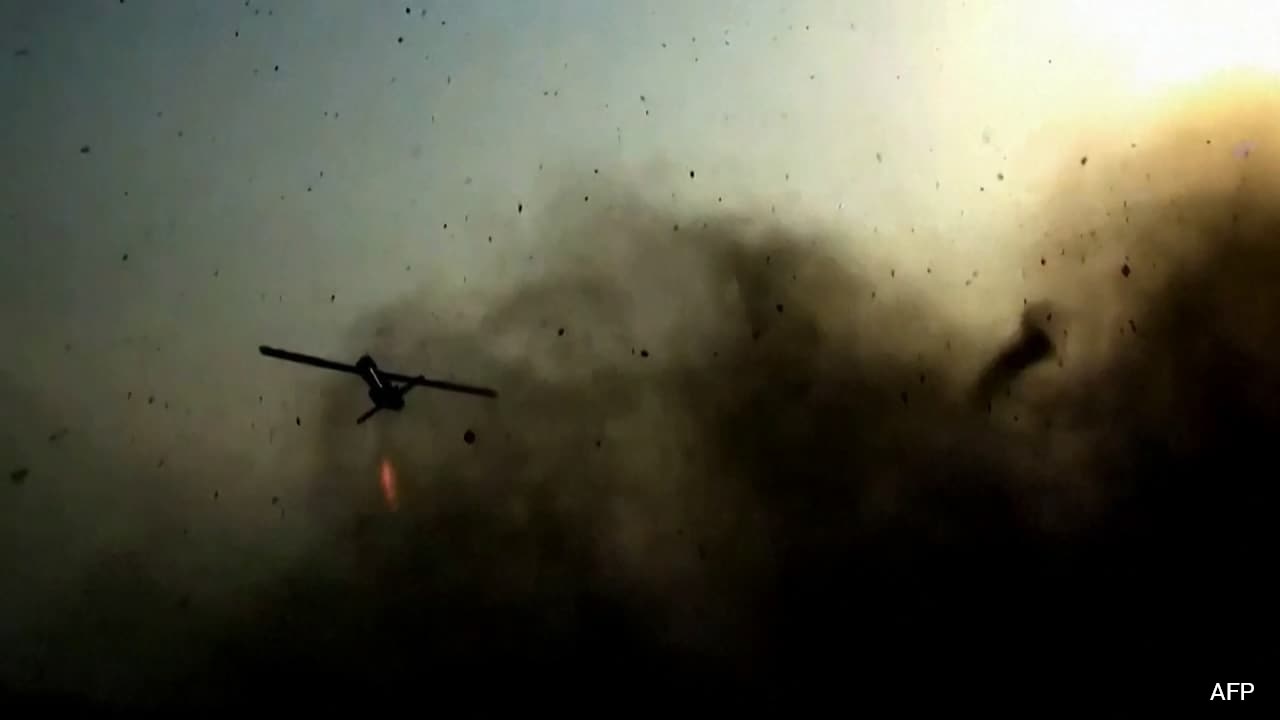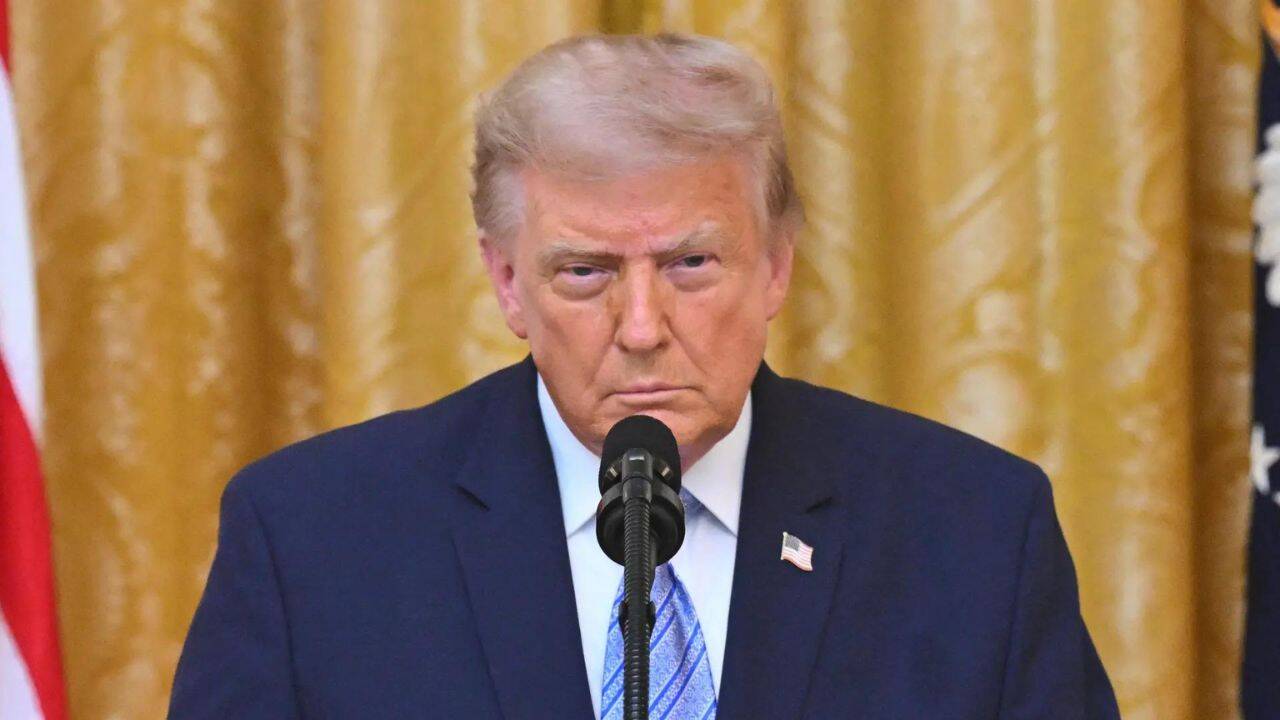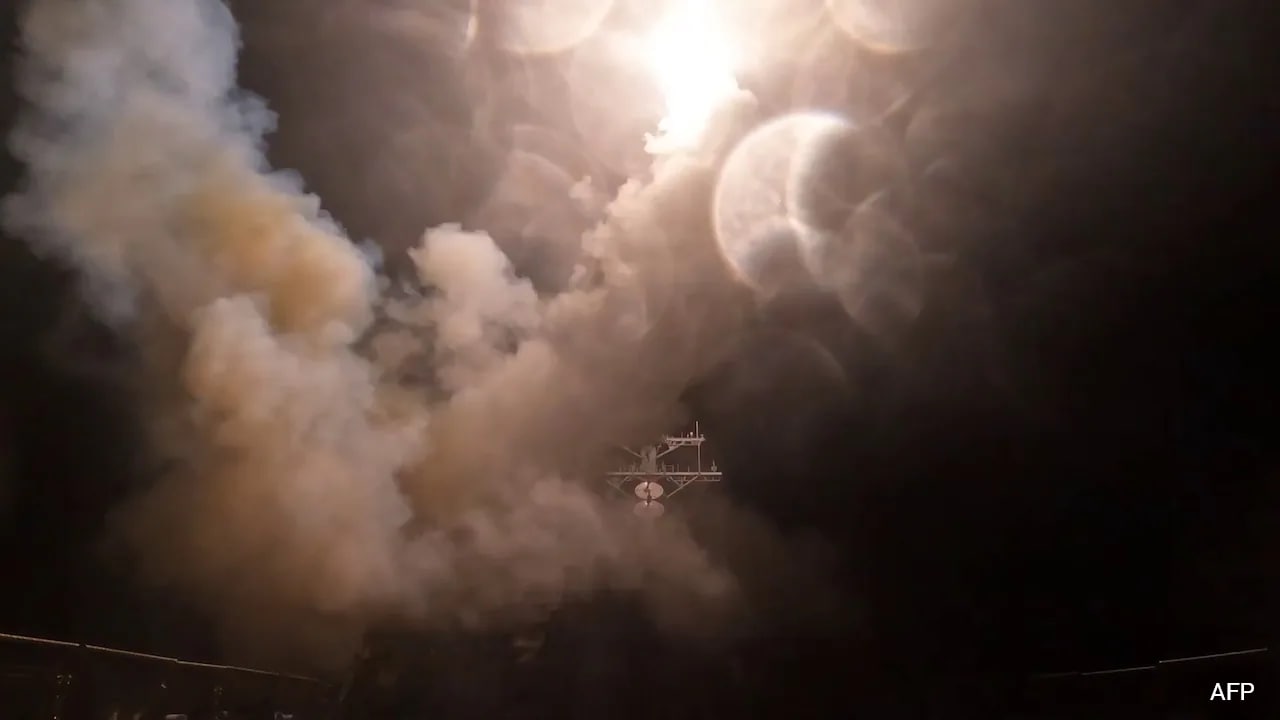
Iran alleges it destroyed several US refuelling aircraft and fighter jets over Jordan using missiles and drones. The incident escalates the already tense US‑Iran relationship and raises regional security concerns.
Key Takeaways
- Iran says it destroyed multiple US refuelling aircraft and fighter jets over Jordan.
- The attack employed both missiles and drones.
- The strike intensifies US‑Iran tensions and could reshape regional security dynamics.
In a bold statement, Iranian officials claimed that a coordinated missile and drone barrage hit several United States aircraft operating in Jordanian airspace, including refuelling tankers and combat fighters. While Washington has yet to issue a formal response, the allegation marks a significant escalation in the ongoing proxy and direct confrontations between the two powers.
According to Tehran, the strike caused "serious damage to many more" aircraft, signalling a shift toward more sophisticated, asymmetric warfare tactics. The use of unmanned aerial systems alongside conventional missiles underscores Iran’s intent to challenge US air superiority while limiting its own personnel exposure.
Historical Background
The United States and Iran have been locked in a fraught relationship since the 1979 Islamic Revolution, which led to the severing of diplomatic ties and a series of confrontations ranging from the 1980 Iran‑Iraq war to the 2015 nuclear deal (JCPOA). The United States withdrew from the JCPOA in 2018, reigniting sanctions and a series of retaliatory actions, including attacks on oil tankers and cyber‑operations. Recent years have seen heightened activity in the Persian Gulf and Red Sea, with both nations supporting opposing regional allies. This latest claim fits into a broader pattern of Iranian attempts to demonstrate reach beyond its borders, particularly amid heightened Israel‑Iran tensions.
"Iran’s combined use of drones and missiles in a contested airspace reveals a strategic pivot toward cost‑effective, high‑impact weaponry," says defense analyst Dr. Maya Patel.
Why This Matters (इसके मायने क्या हैं)
BozokMedia analysis shows that the incident could prompt a reassessment of US force posture across the Middle East, potentially leading to increased defensive deployments and higher operational costs. For the people of Jordan, the breach raises immediate concerns about airspace safety and could affect tourism and foreign investment if the region is perceived as unstable.
From a broader perspective, the attack may embolden other state and non‑state actors to adopt similar tactics, thereby reshaping the security calculus for both regional governments and global powers. The ripple effect could manifest in tighter international air‑traffic regulations and a push for more robust missile defense systems.
Frequently Asked Questions (अक्सर पूछे जाने वाले प्रश्न)
Q1: Will the United States impose immediate restrictions on flights over Jordan?
A: No formal flight bans have been announced yet, but the US is likely to increase surveillance and defensive measures in the area.
Q2: Does the attack violate international aviation law?
A: Conducting an unprovoked attack in a sovereign nation's airspace breaches the Chicago Convention, potentially triggering diplomatic disputes and sanctions.