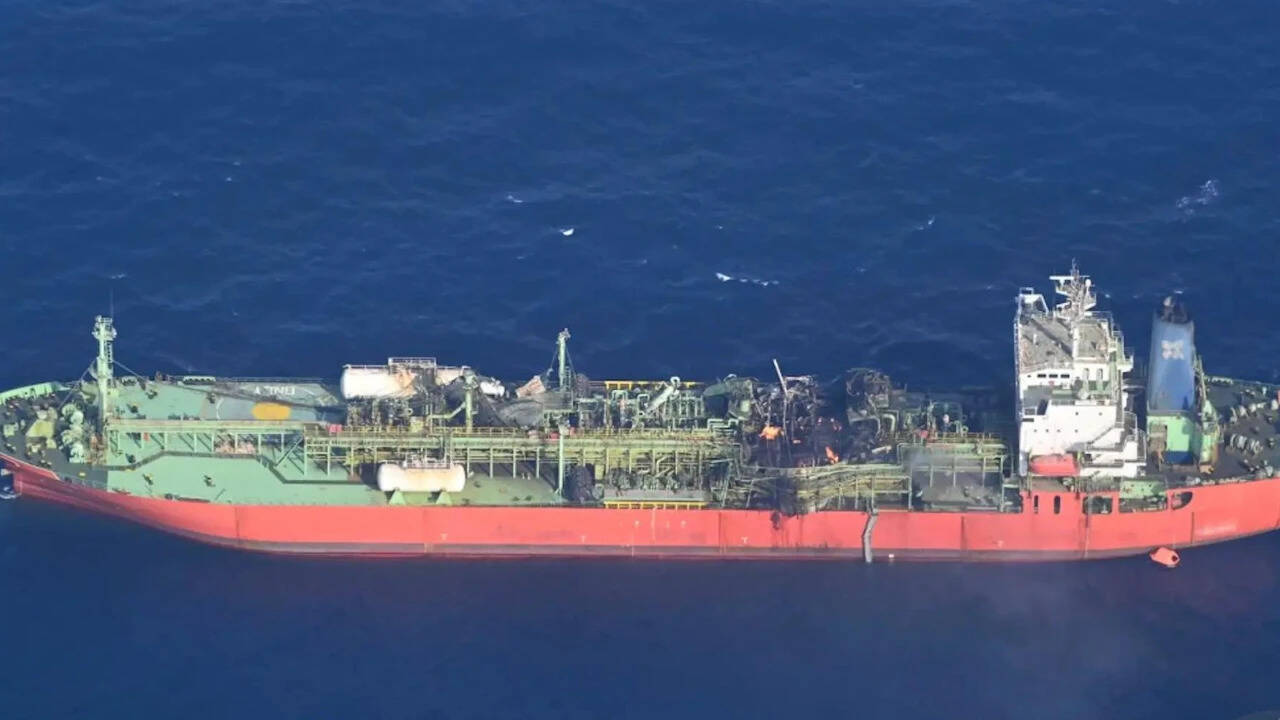
The chemical tanker Asana was seized by pirates in the Gulf of Aden, raising fresh concerns over maritime security in a critical shipping lane. British UKMTO confirmed the boarding and a South Korean warship has been dispatched to the area, highlighting the ongoing threat to global energy routes.
Key Takeaways
- Pirates seized the chemical tanker Asana in the Gulf of Aden
- The vessel was unarmed and lacked a security team
- Initial reports point to Somali piracy rather than Houthi militia involvement
On July 17, 2026, the United Kingdom Maritime Trade Operations (UKMTO) announced that the chemical tanker Asana was hijacked by armed assailants while transiting eastward in the Gulf of Aden, roughly 65 nautical miles south of Yemen’s Al‑Mukalla port. The ship carried no armed security personnel, making it vulnerable to the boarding.
According to maritime tracking data, Asana’s next scheduled destination was the Somali port of Bosaso. The vessel’s flag was unconfirmed, but shipping databases list its operator as Marshall Islands‑based Exon Energy, which could not be reached for comment. British maritime risk management firm Vanguard noted that details about the number of attackers, the exact boarding circumstances, and the current status of the crew remain unclear.
Historical Background
The Gulf of Aden, linking the Red Sea to the Indian Ocean, has long been a hotspot for piracy. In the 1990s, Somali pirate groups emerged, targeting cargo ships, oil tankers, and even luxury yachts. International naval coalitions, such as Combined Task Force‑151, reduced incidents in the early 2000s, but a resurgence followed regional instability and economic hardships. While Yemen’s Iran‑aligned Houthi militia has launched missile attacks in the Red Sea, recent intelligence suggests that the Asana hijack aligns more closely with traditional Somali piracy tactics.
"A piracy incident in the Gulf of Aden strikes at the heart of global oil logistics, potentially inflating fuel prices and disrupting trade flows," says maritime security analyst Dr. Ali Sheikh.
Why This Matters (इसके मायने क्या हैं)
BozokMedia analysis shows that piracy in this strategic corridor can cause immediate spikes in oil prices, affecting everything from gasoline at the pump to global manufacturing costs. For coastal communities and commercial fleets, the heightened risk translates into higher insurance premiums and the need for costly armed security measures.
Moreover, the incident underscores the urgency for coordinated international naval patrols and stricter maritime regulations. If pirate groups continue to operate with impunity, the Gulf of Aden could once again become a perilous chokepoint, threatening the smooth flow of goods that underpin the world economy.
| Aspect | Somali Piracy | Houthi Militia |
|---|---|---|
| Primary Objective | Seizure of vessels, ransom, cargo theft | Political leverage, missile strikes |
| Affiliations | International naval task forces combat them | Aligned with Iran, regional proxy |
| Methods | Boarding, hijacking, ransom demands | Rocket and drone attacks |
Frequently Asked Questions (अक्सर पूछे जाने वाले प्रश्न)
Q1: Is the Asana currently under control of the pirates?
A: International naval forces are actively engaged in securing the vessel, but official confirmation of its status is pending.
Q2: How could this incident affect global oil markets?
A: Repeated piracy incidents can lead to temporary price hikes and supply disruptions, especially if major tanker routes are threatened.