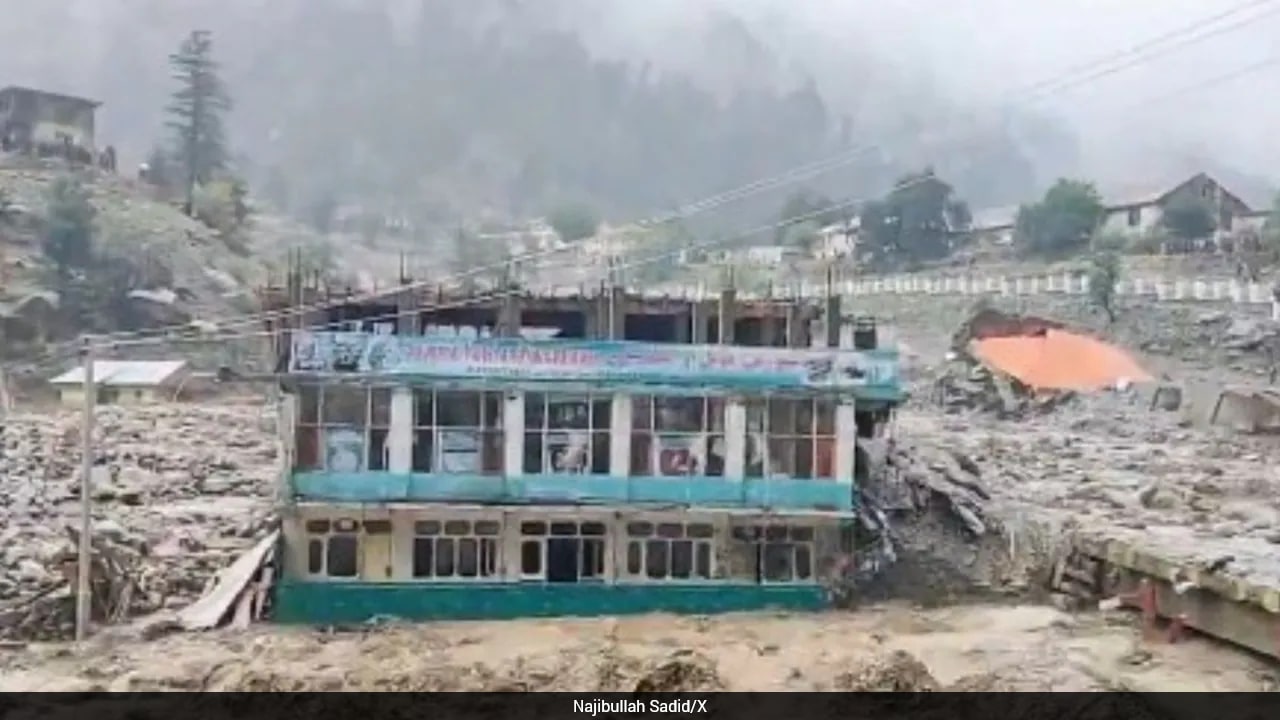
Devastating floods in Afghanistan have claimed at least 20 lives, with over 100 people still missing as rescue operations struggle amidst massive debris.
Key Takeaways
- At least 20 bodies have been recovered following massive flooding in Afghanistan.
- Over 100 individuals remain missing, complicating rescue and recovery efforts.
- Riverside infrastructure, including shops in Parun, has been completely obliterated.
The nation of Afghanistan is reeling from a catastrophic flooding event that has left a trail of destruction across multiple provinces. According to recent reports, 20 bodies have been recovered so far, with over 80 people sustaining serious injuries. The scale of the devastation is most visible in Parun, the provincial capital, where once-thriving riverside shops have been replaced by vast expanses of mud and debris.
Rescue teams are working tirelessly amidst the sludge, searching for survivors and those trapped under the wreckage. The local administration has expressed grave concern as the number of missing persons is estimated to exceed 100. Amidst the chaos, residents are desperately searching for loved ones, including local officials who were caught in the sudden surge of water.
Why This Matters (इसके मायने क्या हैं)
BozokMedia analysis shows that such extreme weather events in Afghanistan exacerbate an already fragile socio-economic environment. The destruction of local markets and riverside infrastructure directly impacts the livelihoods of thousands, pushing more families into poverty and food insecurity.
Furthermore, this disaster highlights the urgent need for improved early warning systems and climate resilience in the region. As climate change accelerates, the frequency of flash floods in mountainous terrains like Afghanistan is expected to rise, making disaster preparedness a critical component of national security and human survival.
The suddenness of these flash floods leaves minimal time for evacuation, turning manageable weather events into large-scale human tragedies.
Historical Background
Afghanistan's geography, characterized by rugged mountains and river valleys, makes it highly susceptible to flash floods. Historically, the country has struggled with a cycle of extreme droughts followed by intense, unpredictable rainfall. In recent years, the combination of weakened infrastructure due to decades of conflict and the intensifying effects of global climate change has made the population increasingly vulnerable to these seasonal surges.
Frequently Asked Questions (अक्सर पूछे जाने वाले प्रश्न)
Question 1: What is the current casualty count?
Answer: 20 deaths have been confirmed, but with 100 people missing, the final toll is expected to rise significantly.
Question 2: Which areas are most impacted?
Answer: Riverside communities and provincial capitals like Parun have faced the most direct destruction to their buildings and shops.