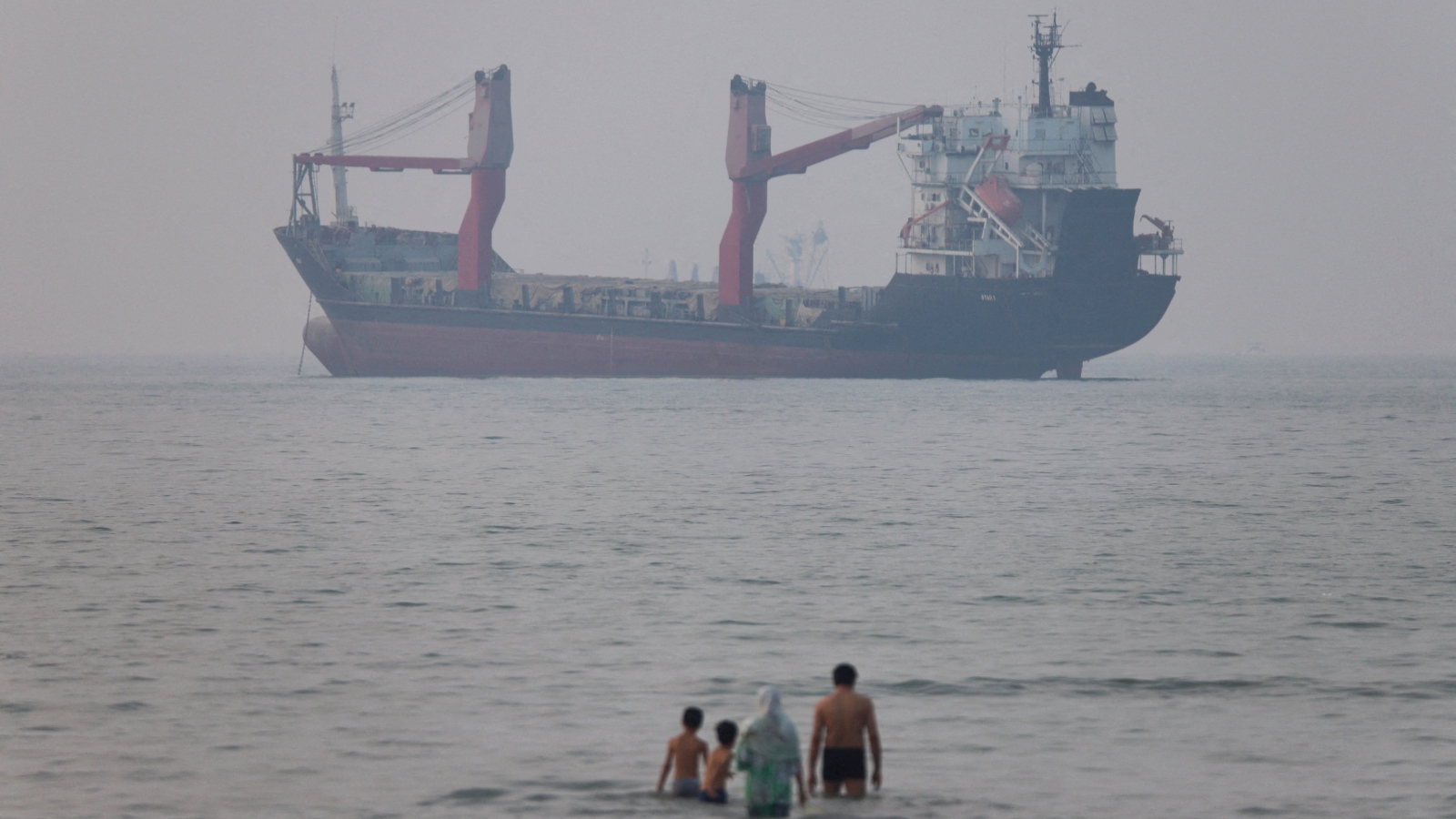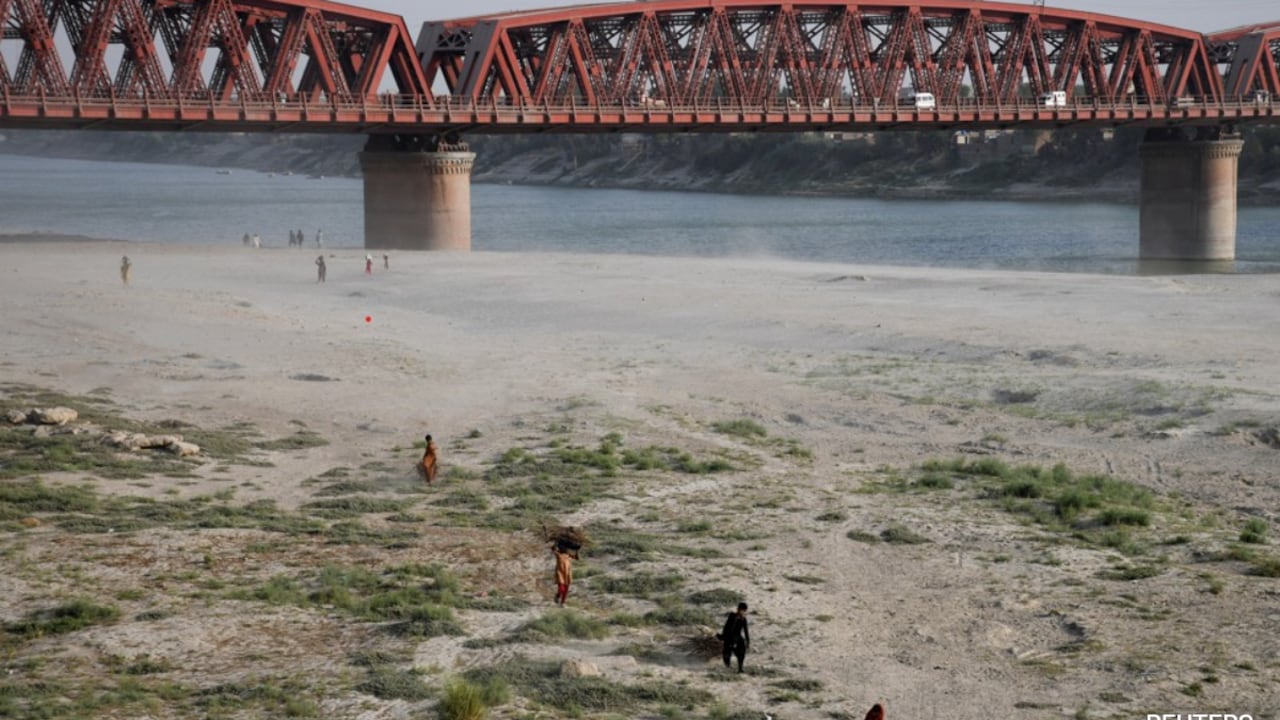
The Indus Waters Treaty, signed over six decades ago, is now deemed ineffective by India in its current form. Pakistan's claim of victimhood does not sway India's demand for credible anti‑terrorism steps before any renegotiation.
Key Takeaways
- The Indus Waters Treaty (IWT) was signed in 1960 between India and Pakistan.
- India says the treaty cannot function as it stands today.
- Pakistan's "victim card" does not alter India's condition for renegotiation.
The Indus Waters Treaty (IWT) remains a cornerstone of South Asian water diplomacy, crafted in 1960 under United Nations mediation. It allocated the waters of the Indus, Jhelum, Sutlej, and Beas rivers between the two nations, aiming to prevent conflict over a vital resource. Decades later, climate change, rising water demand, and security concerns have strained the agreement.
Recently, Pakistan has publicly portrayed itself as a water‑scarcity victim, using the "victim card" at international forums to pressure India. Indian diplomatic sources, however, maintain that the treaty will only be revisited if Pakistan takes credible steps to abandon terrorism, which they view as a pre‑condition for any meaningful dialogue.
According to BozokMedia analysis, two critical factors dominate the narrative: first, escalating water stress demands more flexible allocation mechanisms; second, security concerns—especially terrorism—are the primary catalyst for reconsidering any water accord.
Why This Matters (इसके मायने क्या हैं)
When two of the world’s most populous countries clash over water, the repercussions extend far beyond agriculture and industry. Food security, regional economies, and even migration patterns can be destabilized, amplifying geopolitical tensions across South Asia.
Moreover, a renegotiated IWT could reshape the diplomatic landscape. A fresh treaty would signal a shift toward collaborative water governance, compelling Pakistan to demonstrate tangible anti‑terrorism measures while offering India a more adaptable framework for water sharing.
"Reassessing the Indus Waters Treaty is less about water volume and more about regional peace and sustainable development," says water policy expert Dr. Anita Sharma.
Frequently Asked Questions (अक्सर पूछे जाने वाले प्रश्न)
Question 1: Can Pakistan’s “victim card” change India’s stance?
Answer: Not at present. India insists on credible anti‑terrorism actions before any treaty renegotiation.
Question 2: What could a renegotiated IWT look like?
Answer: Potential changes may include revised water‑share ratios, updated security protocols, and a bilateral cooperation framework for water‑related development projects.