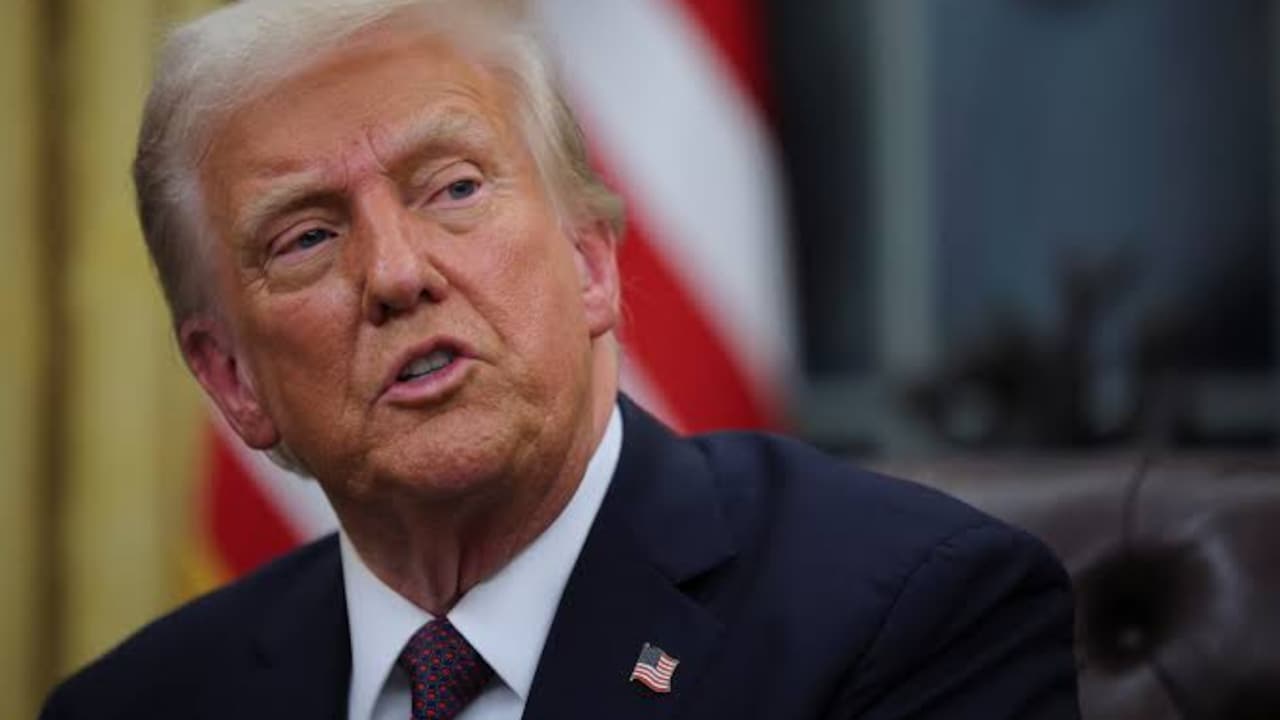
U.S. President Donald Trump has announced a massive 100% tariff on imported generic drugs to drive pharmaceutical production back to American soil.
Key Takeaways
- A 100% tariff on imported generic drugs will be imposed starting August 2028.
- The primary goal is the 'onshoring' of pharmaceutical manufacturing to the United States.
- This policy aims to reduce reliance on foreign suppliers like India and China.
In a sweeping move to reshape the domestic pharmaceutical landscape, U.S. President Donald Trump announced on Tuesday that the United States will impose a staggering 100% tariff on all imported generic drugs. This policy is slated to take effect in August 2028, marking a significant shift in U.S. trade and healthcare strategy.
The administration's stated objective is to incentivize the onshoring of drug production. By making imports prohibitively expensive, the Trump administration intends to force pharmaceutical companies to build manufacturing facilities within the United States, thereby ensuring a more resilient and self-reliant domestic supply chain.
Why This Matters (इसके मायने क्या हैं)
BozokMedia analysis shows that this move could trigger a massive restructuring of the global pharmaceutical trade. For the average American consumer, the immediate concern is affordability; a 100% tariff could lead to a significant spike in the cost of essential medications in the short term. However, the long-term gamble is that domestic production will eventually stabilize prices and protect the nation from global supply shocks.
On the geopolitical stage, this is a direct challenge to major pharmaceutical exporters, most notably India and China. These nations currently dominate the generic drug market. A sudden shift in U.S. trade policy could lead to retaliatory measures or a complete realignment of global healthcare supply chains, potentially sparking new trade tensions.
This tariff isn't just about economics; it is a strategic move to secure pharmaceutical sovereignty in an increasingly volatile world.
Historical Background
For decades, the pharmaceutical industry has trended toward globalization to minimize costs. As patents expire, generic manufacturers in developing nations have stepped in to provide low-cost alternatives to brand-name drugs. This has made healthcare more affordable globally but has left the U.S. vulnerable to disruptions in overseas manufacturing. The 'America First' doctrine seeks to reverse this trend by prioritizing domestic industrial capacity over globalized cost-efficiency.
| Feature | Current Situation | Post-August 2028 Situation |
|---|---|---|
| Import Duty on Generics | Standard/Low Rates | 100% Tariff |
| Primary Manufacturing Hubs | India, China, and others | United States (Targeted) |
| Supply Chain Focus | Globalized/Cost-optimized | Domestic/Security-optimized |
Frequently Asked Questions (अक्सर पूछे जाने वाले प्रश्न)
Question 1: When will the 100% tariff officially begin?
Answer: The tariffs are scheduled to be implemented in August 2028.
Question 2: How will this affect drug prices in the U.S.?
Answer: While it aims to build domestic industry, the immediate effect may be an increase in the cost of imported generic medications.