The World Meteorological Organization (WMO) has issued a warning regarding an intensifying El Nino phenomenon that could disrupt global weather patterns through early 2027.
- A 'very strong' El Nino is emerging and could persist until February 2027.
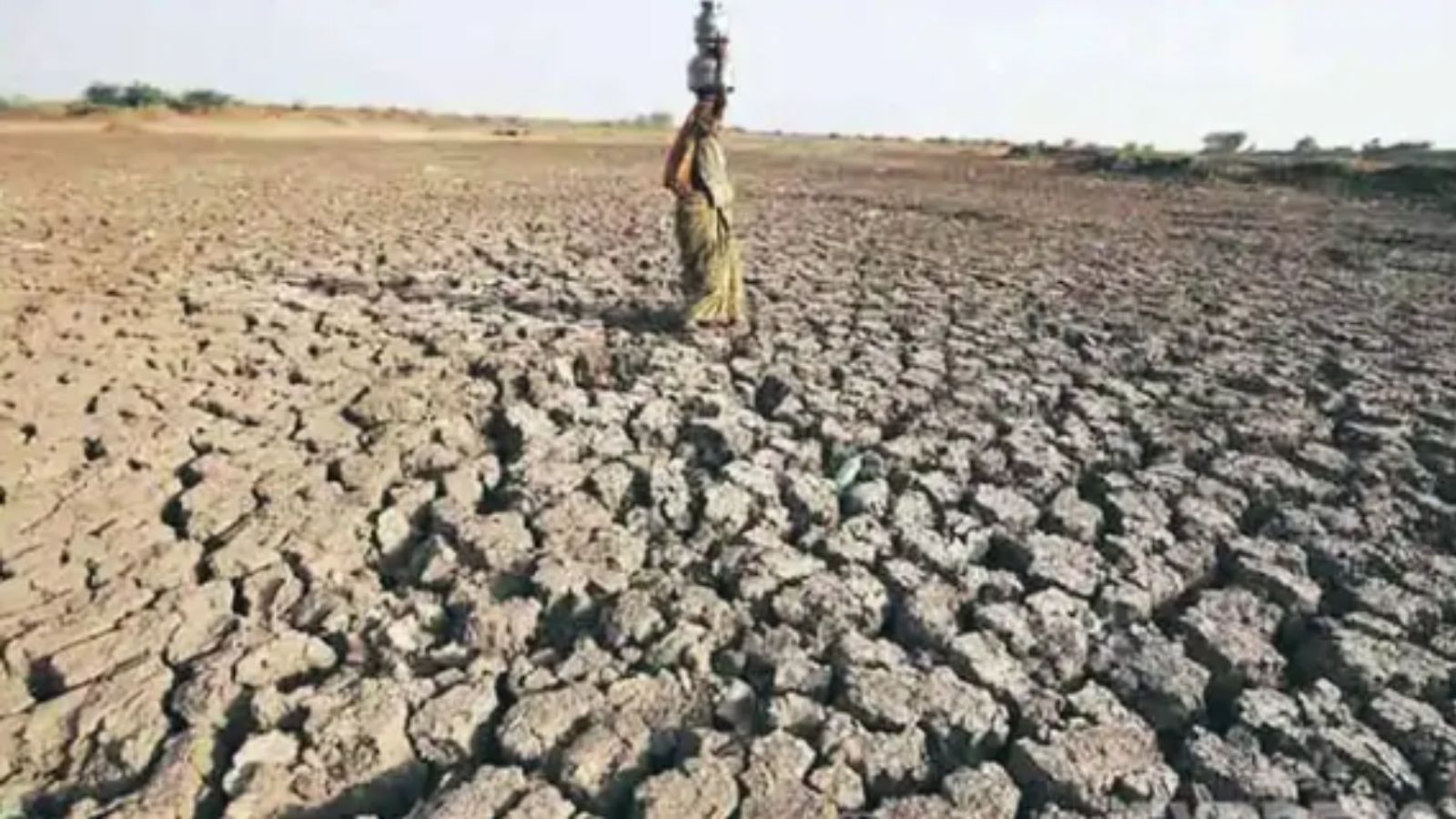
- The phenomenon is expected to trigger extreme heatwaves, droughts, and floods globally.
- In India, the intensifying El Nino might mitigate the severity of the upcoming winter.
- A positive Indian Ocean Dipole (IOD) may act as a counter-force to El Nino's impact.
The World Meteorological Organization (WMO) issued a stark warning on Thursday regarding an impending "very strong" El Nino. This natural ocean-atmosphere phenomenon, characterized by the significant warming of the equatorial Pacific Ocean, is expected to alter temperature and rainfall patterns on a global scale. WMO Secretary-General Celeste Saulo emphasized that the intensification could deliver a massive blow to communities and economies worldwide.
Scientific measurements indicate a rapid escalation in sea surface temperatures. In the critical Nino 3.4 region, temperatures surpassed the 1.5°C threshold above normal during May-July and have since climbed beyond the 2°C mark. This intensification is a primary driver for extreme weather events, including devastating droughts in some regions and catastrophic flooding in others.
Why This Matters
BozokMedia analysis shows that the socio-economic implications of a prolonged El Nino are profound. From destabilizing agricultural yields to straining water resources and energy grids, the ripple effects of such a weather anomaly can trigger global inflation and food insecurity.
El Nino has the potential to deliver a massive blow to communities and economies across the world.
Regarding the impact on India, the India Meteorological Department (IMD) noted that while much of the monsoon season escaped the immediate influence of this developing El Nino, its presence remains a factor. Experts suggest that the intensifying phenomenon could lead to warmer-than-usual temperatures during the upcoming winter season, potentially keeping the cold at bay.
Historical Background
El Nino is part of the El Niño-Southern Oscillation (ENSO) cycle. Historically, strong El Nino years have been linked to significant shifts in global climate, such as the record-breaking heat observed in Europe recently. As global sea temperatures continue to rise due to broader climate change, the predictability and intensity of these cycles are becoming increasingly complex for meteorologists to manage.
To combat these threats, the WMO has launched a major mobilization of National Meteorological and Hydrological Services to provide critical forecasts and save lives and livelihoods.
Frequently Asked Questions
Question 1: How long will this El Nino last?
Answer: According to the WMO, the current strong El Nino could last until February 2027.
Question 2: What is the Indian Ocean Dipole (IOD)?
Answer: IOD is the Indian Ocean's counterpart to ENSO; a positive IOD phase can sometimes counter the effects of El Nino.